Sciatica After Car Accident: A Step-by-Step Recovery Plan for Lasting Relief

🚗 When a Car Crash Leaves You in Pain
A car accident can change everything in seconds. Beyond visible bruises or whiplash, many people develop sciatica after car accident — that sharp, radiating pain shooting from the lower back down one leg.
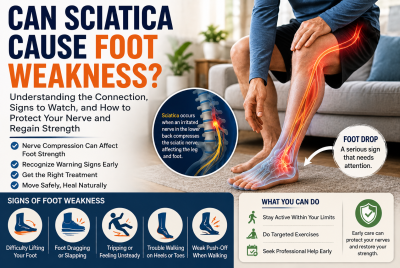
It’s more than just discomfort. You might feel numbness, tingling, or weakness, making it hard to sit, drive, or even sleep. The cause often lies deeper — spinal misalignment, nerve compression, or soft tissue injury that irritates the sciatic nerve.
The good news? With the right recovery plan, you can heal, regain mobility, and prevent chronic pain. This guide walks you through each stage of recovery — from immediate care to physical therapy and long-term healing.
⚡ What Causes Sciatica After a Car Accident?
After a collision, the sudden jolt or twisting motion can injure your spine, muscles, and nerves. The sciatic nerve, which runs from your lower spine to your feet, may become compressed or irritated.
Common post-accident causes include:
-
Herniated discs: The force from the crash can cause a disc to bulge, pressing on the sciatic nerve.
-
Spinal misalignment: Even small shifts in spinal alignment can pinch or inflame nerve roots.
-
Whiplash in the lower back: While usually associated with the neck, whiplash can also affect the lumbar region, straining the sciatic nerve.
-
Inflamed muscles or ligaments: Soft tissue injuries can cause swelling that presses against the nerve.
👉 In short, trauma-related sciatica is both mechanical (alignment) and inflammatory (tissue swelling) — and both must be addressed for full recovery.
🧠 Understanding the Symptoms of Accident-Related Sciatica
Not all back pain after an accident is sciatica — but there are telltale signs.
Look for these symptoms:
✅ Sharp or shooting pain from the lower back to the leg
✅ Numbness or tingling in the leg or foot
✅ Weakness when standing or lifting
✅ Pain that worsens when sitting or coughing
✅ Burning or throbbing sensations in one side of the body
If your pain hasn’t improved within a few days — or seems to worsen — you may have nerve compression that requires medical attention.
💥 Step 1: Get a Professional Evaluation
The first step in your sciatica after car accident recovery plan is diagnosis. Don’t ignore pain, even if it feels mild at first — untreated nerve compression can lead to chronic pain or muscle weakness.
Your doctor may recommend:
-
X-rays or MRI scans to check for disc injuries or spinal misalignment
-
Neurological exams to test reflexes and muscle strength
-
Chiropractic assessment for postural imbalance or spinal shifts
Early detection means faster recovery — and reduces the risk of long-term damage.
💊 Step 2: Manage Inflammation and Pain
During the first few weeks after an accident, your main goal is to reduce inflammation and keep pain under control.
At-home treatments:
-
🧊 Cold therapy: Apply ice packs for 15–20 minutes, several times a day, during the first 48 hours.
-
🌡️ Heat therapy: After swelling subsides, use a heating pad to relax tense muscles.
-
💊 Over-the-counter relief: Nonsteroidal anti-inflammatory drugs (NSAIDs) like ibuprofen help reduce swelling and nerve irritation.
If pain remains severe, your doctor may prescribe stronger medications, including:
-
Muscle relaxants (to ease spasms)
-
Nerve pain medications like gabapentin
-
Corticosteroid injections for targeted relief of inflammation
🧘♀️ Step 3: Start Gentle Movement & Physical Therapy
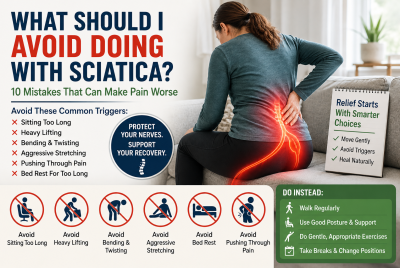
Once pain begins to ease, it’s time to restore mobility and stability. Prolonged rest can make things worse — motion nourishes your spine and reduces stiffness.
Key recovery exercises:
-
Knee-to-Chest Stretch – Loosens lower back tension.
-
Piriformis Stretch – Targets the hip muscle that often irritates the sciatic nerve.
-
Cat-Cow Stretch – Improves spinal flexibility.
-
Pelvic Tilt – Strengthens the core to stabilize your lower back.
Your physical therapist may also use:
-
Manual therapy to correct spinal misalignment
-
Ultrasound or electrical stimulation to reduce inflammation
-
Core strengthening routines for long-term stability
🧠 Tip: Avoid heavy lifting or twisting during early recovery. Slow, consistent stretching yields better results than pushing through pain.
🪑 Step 4: Correct Posture and Body Mechanics
After trauma, your body often compensates for pain with poor posture, which can worsen nerve compression.
Try these posture fixes:
✅ Sit with both feet flat and use a lumbar cushion for support.
✅ Avoid slouching — use an ergonomic chair or standing desk.
✅ When lifting, bend your knees and keep your back straight.
✅ Sleep on your side with a pillow between your knees to reduce spinal pressure.
💡 Many U.S. patients find relief by using adjustable standing desks or memory foam seat cushions designed to reduce sciatic nerve strain.
🩻 Step 5: Chiropractic & Spinal Realignment Care
If your accident caused spinal misalignment, chiropractic care can help relieve pressure on the sciatic nerve.
What chiropractors do:
-
Perform gentle spinal adjustments to correct alignment
-
Relieve pinched nerves and improve mobility
-
Offer rehabilitation exercises for long-term support
Regular sessions can reduce inflammation, restore posture, and prevent recurring pain — especially when combined with physical therapy.
🌿 Step 6: Support Natural Healing at Home
Beyond medical treatments, your lifestyle plays a huge role in recovery.
Try these natural support methods:
🌿 Anti-inflammatory foods: Eat salmon, spinach, turmeric, olive oil, and blueberries.
💧 Stay hydrated: Water keeps spinal discs healthy and flexible.
🛏️ Get quality sleep: Aim for 7–9 hours; your body repairs nerve tissues during rest.
🧘♀️ Mind-body relaxation: Deep breathing and meditation help calm tension and pain signals.
Supplements like magnesium, vitamin B12, and omega-3 fatty acids can also promote nerve healing (ask your doctor before taking them).
💪 Step 7: Gradually Rebuild Strength and Confidence
Once pain subsides, focus on strengthening your core, hips, and lower back to prevent future flare-ups.
Safe strengthening exercises:
-
Bridge pose (glute activation)
-
Wall sits (lower body stability)
-
Bird-dog pose (core and balance)
-
Gentle yoga (increases flexibility and reduces stress)
✅ Aim for consistency — 10–15 minutes daily will help retrain your muscles and stabilize your spine.
🏥 When to See a Doctor or Specialist
Even with careful home management, there are times when medical or chiropractic care is essential.
Seek immediate help if you experience:
🚫 Severe pain that worsens over time
🚫 Numbness or weakness in your leg or foot
🚫 Loss of bladder or bowel control
🚫 Pain after a high-impact collision
🚫 Inability to stand, sit, or walk without pain
Your doctor may refer you to:
-
A neurologist for nerve testing
-
A spine specialist for advanced imaging
-
A pain management clinic for long-term care options
In rare cases, surgery (like a microdiscectomy) may be necessary to remove pressure from the sciatic nerve — but this is usually a last resort after all conservative options are tried.
❓ FAQs About Sciatica After a Car Accident
1. Can a car accident really cause sciatica?
Yes. The impact can lead to spinal misalignment, herniated discs, or soft tissue swelling that compresses the sciatic nerve.
2. How long does sciatica last after a car crash?
Mild cases may improve in 4–6 weeks, while severe injuries can take several months of physical therapy and recovery.
3. Is chiropractic care safe after an accident?
Yes, when performed by a licensed chiropractor. Adjustments can safely relieve nerve pressure and improve spinal alignment.
4. Can I drive with sciatica pain after an accident?
Avoid driving until you can sit comfortably and safely operate pedals without pain or numbness.
5. Does insurance cover sciatica treatment after a crash?
In most U.S. states, auto insurance or personal injury protection (PIP) covers chiropractic and physical therapy care for accident-related injuries.
6. What if I had no back pain immediately after the accident, but it started later?
Delayed symptoms are common. Inflammation and nerve irritation can develop days after trauma, so seek medical evaluation even if pain appears later.
7. Can whiplash cause sciatica symptoms?
Yes. Whiplash can cause nerve compression or misalignment in the lower spine, leading to sciatic pain, numbness, or tingling sensations.
🌈 Conclusion: Healing from the Inside Out
Recovering from sciatica after a car accident takes time, patience, and the right approach — but full recovery is possible.
By combining medical care, movement therapy, and natural healing habits, you can ease pain, restore strength, and prevent future nerve irritation.
Stay consistent. Listen to your body. And remember — each stretch, meal, and mindful breath brings you closer to healing.
💪 You can recover and reclaim a pain-free life — one day at a time.
⚕️ Disclaimer
This article is for educational purposes only and is not a substitute for professional medical advice, diagnosis, or treatment. Always consult a qualified healthcare provider before starting new exercises, therapies, or supplements after an injury or accident.
 Explore more:
- Does Omega-3 Help With Sciatica?
- Sciatica from Lifting Heavy Objects
- Foods That Reduce Sciatica Inflammation