Nerve Glides for Sciatica: A Complete Guide to Relieving Sciatic Nerve Pain
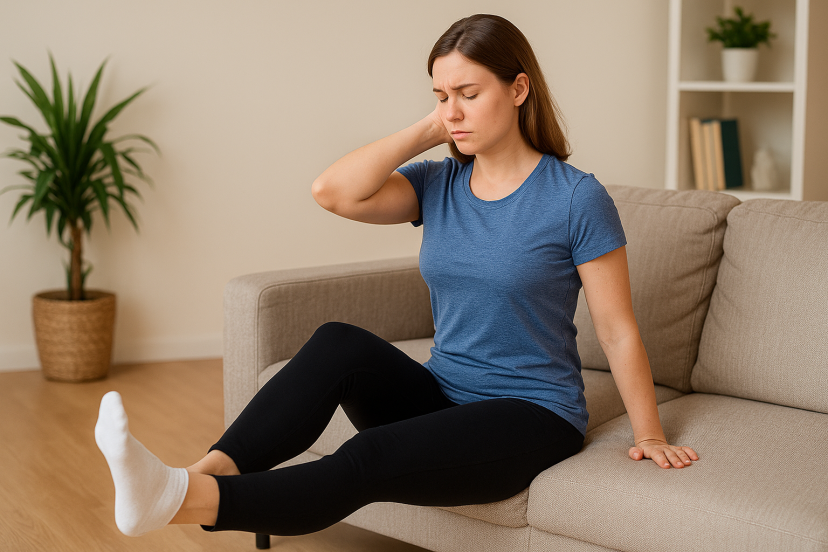
⚡ When Sciatica Pain Controls Your Day
If you’re dealing with sharp nerve pain, numbness down the leg, burning behind the thigh, or the dreaded “can’t sit for more than 10 minutes” struggle, you already know how sciatica can derail your entire day.
Whether your pain comes from:
-
Herniated disc
-
Piriformis syndrome
-
Sciatic nerve compression
-
Wallet sciatica (yes, sitting on a thick wallet can trigger symptoms)
-
Long hours of sitting or driving
…finding natural, effective relief is not just helpful — it’s essential.
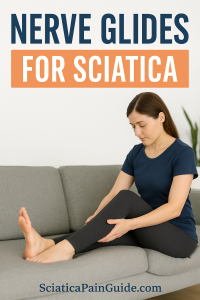
One of the most evidence-supported mobility techniques recommended by U.S. physical therapists is nerve glides for sciatica (also known as nerve flossing). When done correctly, they help reduce stiffness, restore healthy nerve mobility, and calm irritation in the lower back, hips, and legs.
This complete guide shows you exactly how nerve glides work, how to perform them safely, and how to combine them with lifestyle habits for long-term relief.
🧘♀️ What Are Nerve Glides for Sciatica?
Nerve glides for sciatica are slow, controlled movements designed to gently slide the sciatic nerve through surrounding tissues. When the nerve gets irritated or trapped — such as in piriformis syndrome, sciatica, herniated disc sciatica, or wallet sciatica — these glides help:
-
Reduce inflammation
-
Improve mobility
-
Relieve nerve tension
-
Decrease pain running down the leg
-
Support healing for chronic or acute sciatica symptoms
Physical therapists across the U.S. frequently include nerve gliding as part of sciatica physical therapy and at-home treatment plans.
⚡ Why Nerve Glides Help Relieve Sciatic Nerve Pain
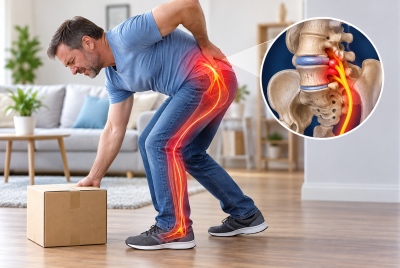
Sciatica often worsens when the nerve becomes compressed, inflamed, or irritated. This can happen from:
⚙️ Common Causes of Sciatic Nerve Compression
-
Herniated discs pressing on nerve roots
-
Tight piriformis muscles (piriformis syndrome sciatica)
-
Sitting too long with poor posture
-
Carrying a thick wallet (“wallet sciatica”)
-
Standing with uneven weight
-
Weak hips or core
-
Heavy lifting or sudden twisting
-
Long-distance driving
-
Sleeping in poor positions
-
Spine arthritis or stenosis
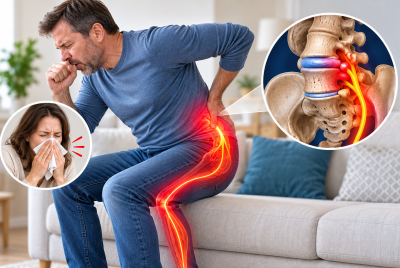
When your nerve gets stuck or inflamed, symptoms include:
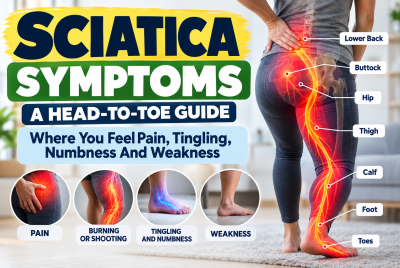
⚙️ Sciatica Symptoms: Nerve Glides Can Improve
-
Sharp burning pain down the leg
-
Tingling or numbness in the calf or foot
-
Lower back pain sciatica
-
Thigh tightness
-
Leg weakness
-
Pain when sitting, walking, or bending
-
“Electric shock” sensations
Nerve glides help by restoring movement in the nerve and reducing these flare-ups.
🧘♀️ How to Perform Nerve Glides for Sciatica (Step-by-Step)
Below are the five most effective nerve glides U.S. physical therapists use for sciatic nerve pain. Move slowly, avoid bouncing, and stop if you feel sharp pain.
🪑 1. Seated Sciatic Nerve Glide (Beginner-Friendly)
This is the safest and easiest nerve glide for sciatica beginners.
How to do it:
-
Sit on a stable chair with good posture.
-
Straighten the affected leg forward.
-
Flex your toes upward toward your face.
-
Slowly tilt your head forward (chin to chest).
-
Return to the start position.
Reps:
-
10–12 slow reps
-
1–2 sets per day
Benefits:
-
Helps with sitting with sciatica pain
-
Reduces nerve tightness behind the knee
💪 2. Lying Straight-Leg Sciatic Glide
A deeper glide that targets the entire sciatic nerve.
How to do it:
-
Lie on your back.
-
Lift the painful leg while keeping it straight.
-
Point your toes upward, then downward.
-
Lower your leg slowly.
Reps:
-
10 slow reps
-
Repeat on each side if needed
Good for:
-
Sciatica pain running down the leg
-
Tight hamstrings
🦵 3. Standing Hamstring Nerve Glide (For Tight Legs)
Ideal if your pain worsens when walking or bending forward.
How to do it:
-
Place your heel on a low bench or step.
-
Keep your leg straight.
-
Flex your toes upward.
-
Glide your upper body forward slightly.
Reps:
-
8–10 reps
-
Hold each glide 2 seconds
Good for:
-
Walking with sciatica pain
-
Chronic sciatica stiffness
🔥 4. Slump Sciatic Nerve Glide (Advanced)
A powerful mobility movement used in physical therapy clinics.
How to do it:
-
Sit tall with legs hanging over the edge of a chair.
-
Round your back slightly.
-
Straighten one leg.
-
Flex your toes upward.
-
Drop your chin toward your chest.
Reps:
-
10–15 slow glides
Good for:
-
Sciatic nerve compression
-
Herniated disc sciatica
🍑 5. Piriformis Nerve Glide (When Butt Pain Is the Problem)
Perfect for piriformis syndrome sciatica.
How to do it:
-
Lie on your back.
-
Bend the painful leg.
-
Pull the knee gently toward the opposite shoulder.
-
Move slowly in and out of the stretch.
Reps:
-
8–12 gentle reps
Good for:
-
Buttock pain
-
Wallet sciatica (from sitting on a thick wallet)
🌿 Additional Sciatica Relief Tips to Support Nerve Gliding
Nerve glides work best when combined with healthy daily habits.
⭐ Heat or Ice for Sciatica?
-
Use ice for the first 48 hours of a flare-up.
-
Use heat for chronic sciatica or morning stiffness.
Heating pads and ice packs sold in U.S. pharmacies like CVS, Target, or Walmart work well.
🌙 Best Sleeping Position for Sciatica
-
Sleep on your side with a pillow between your knees.
-
Or sleep on your back with a pillow under your knees.
-
Avoid sleeping on your stomach — it increases nerve pressure.
💼 Wallet Sciatica Relief at Home
If you carry a thick wallet in your back pocket, it tilts the pelvis and compresses the sciatic nerve.
Fixes:
-
Remove the wallet before sitting.
-
Use a slim front-pocket wallet.
-
Stretch your piriformis daily.
Symptoms that improve:
-
Butt numbness
-
Hip tension
-
Pain when sitting in the car
🌿 Natural Remedies for Sciatica
-
Turmeric supplements (anti-inflammatory)
-
Magnesium glycinate (relaxes muscles)
-
Epsom salt baths
-
Topical menthol creams
-
Gentle yoga stretches
-
Walking 10–20 minutes per day
All are commonly used by U.S. sciatica patients looking for natural solutions.
💪 Strengthening Exercises to Prevent Future Sciatica Flare-Ups
Nerve glides help mobility, but you also need stronger muscles to prevent future issues.
⭐ Best Strengthening Exercises:
-
Glute bridges
-
Bird dogs
-
Side-lying leg lifts
-
Core bracing
-
Mini squats
-
Hip hinge training
These support posture and reduce lower back pain and sciatica.
⚡ What Causes Sciatica Flare-Ups?
Common triggers include:
-
Sitting too long
-
Driving long distances
-
Heavy lifting
-
Twisting movements
-
Stress
-
Poor core strength
-
Weak hips
-
Cold weather stiffness
-
Bad posture
Understanding these triggers helps prevent chronic sciatica episodes.
🧘♀️ When to Avoid Nerve Glides
Do NOT perform nerve glides if you have:
-
Sharp, worsening pain
-
Sudden loss of bladder or bowel control
-
Extreme leg weakness
-
Unexplained weight loss
-
Recent major trauma
Seek urgent medical care immediately.
❓ FAQs About Nerve Glides for Sciatica
1. Do nerve glides work for sciatica?
Yes. Research and U.S. physical therapy clinics show that nerve glides improve mobility, reduce nerve tension, and help relieve sciatica pain.
2. How often should I do nerve glides?
Most people benefit from 1–2 sessions per day, 10–15 glides each. Always start slow.
3. Can nerve glides make sciatica worse?
They can if done too aggressively. Move slowly and avoid pushing into pain.
4. Are nerve glides better than stretching?
They serve different purposes:
-
Stretching improves muscle flexibility.
-
Nerve glides improve nerve mobility.
Most people need both.
5. How long until nerve glides reduce pain?
Some feel relief in minutes. Most see progress after several days of consistent practice.
6. Can nerve glides fix a herniated disc?
No, but they help reduce nerve irritation while the disc heals.
7. What is the best treatment for wallet sciatica?
Remove the wallet, use a slim front-pocket wallet, stretch your piriformis, and use warm compresses.
✅ Conclusion: Nerve Glides Are One of the Most Effective Sciatica Relief Tools
If you’re struggling with daily pain, stiffness, numbness, or leg tension, nerve glides for sciatica can be a game-changer. They help restore mobility, reduce irritation, and support long-term recovery when combined with good posture, strengthening exercises, and healthy lifestyle habits.
Start slowly, stay consistent, and always listen to your body — small daily steps can lead to major relief
📌 Disclaimer
This article is for educational purposes only and is not a substitute for professional medical advice. Always consult a licensed healthcare provider before starting any new exercise or treatment plan, especially if you have severe symptoms or underlying conditions.
 Explore more:
- How To Unpinch A Sciatic Nerve
- Can Sciatica Affect Both Legs?
- Sciatica Self-Care: At-Home Techniques To Manage Pain