What Can I Take for Sciatica Pain? Safe Medications & Natural Options Explained
⚡ When Sciatica Pain Stops You In Your Tracks
If you’re searching “what can I take for sciatica pain”, you’re likely dealing with burning, stabbing, or shooting pain that makes everyday tasks feel overwhelming. Sitting hurts. Standing hurts. Even rolling over in bed becomes a challenge.
Sciatica can strike suddenly or build slowly over time — but either way, it affects your mobility, sleep, work, and mood. The good news? There are safe medications, supplements, and natural remedies that can bring real relief.
This guide breaks down the best sciatica medication options, OTC sciatica treatments, and science-backed natural alternatives so you can take clear, confident steps toward healing.
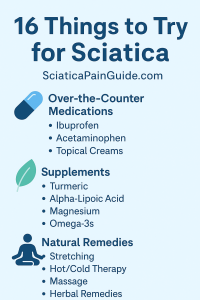
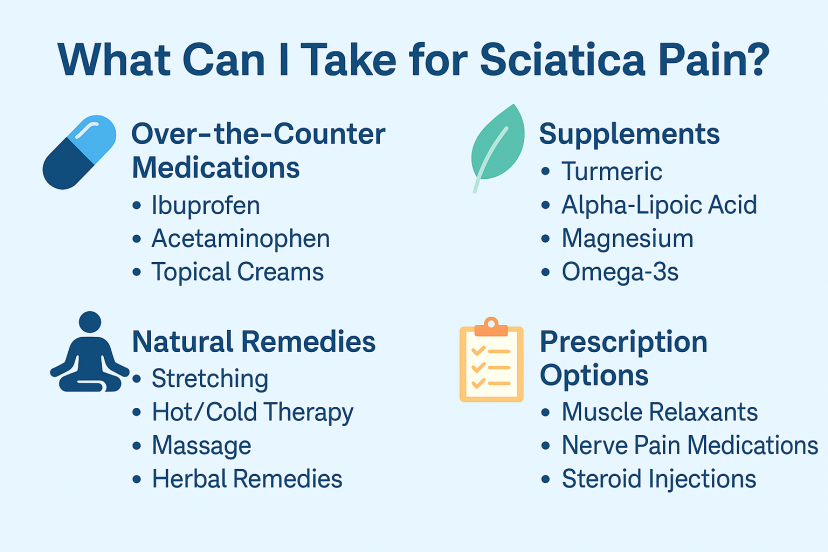
💊 Over-The-Counter Pain Relievers For Sciatica Pain
When someone first asks, “What can I take for sciatica pain?” most people start with over-the-counter options. These can help ease inflammation, reduce nerve irritation, and support everyday functioning.
🌿 Nonsteroidal Anti-Inflammatory Drugs (NSAIDs)
NSAIDs are typically the first-line option for reducing inflammation around the sciatic nerve.
Common U.S. OTC NSAIDs include:
-
Ibuprofen (Advil, Motrin)
-
Naproxen (Aleve)
-
Aspirin
Why they help:
-
Reduce nerve inflammation
-
Lower pain levels
-
Improve mobility throughout the day
Best for:
Short-term flares, inflammation-based pain, pain after lifting, or sciatica triggered by sitting too long.
💪 Acetaminophen (Tylenol)
While acetaminophen doesn’t reduce inflammation, it does help the brain interpret fewer pain signals.
Good option for:
-
People who can’t take NSAIDs
-
Combination use with heat, stretching, and supplements
🔥 Topical Pain Relief Creams
Topicals offer targeted relief without affecting the whole body.
Common U.S. options include:
-
Menthol gels (Biofreeze)
-
Capsaicin cream
-
Lidocaine patches
-
Arnica creams
Benefits:
-
Safe for frequent use
-
Can supplement oral pain relievers
-
Great for localized burning or muscle spasms
🌿 Supplements That May Reduce Sciatica Pain Naturally
Many U.S. adults dealing with nerve pain turn to supplements to support nerve health, reduce inflammation, and promote healing from the inside out.
Here are the top researched options:
🌾 Turmeric Curcumin
Curcumin is a powerful anti-inflammatory compound that may reduce sciatic nerve irritation.
Look for:
-
500–1,000 mg daily
-
Versions with black pepper extract (piperine) for absorption
⚡ Alpha-Lipoic Acid (ALA)
A well-studied antioxidant used for neuropathy support.
Benefits include:
-
Reduced nerve pain
-
Improved nerve signaling
-
Lower inflammation levels
🌱 Magnesium
Magnesium supports muscle relaxation and can reduce tightness around the lower back and hips.
Best forms for nerve pain:
-
Magnesium glycinate
-
Magnesium malate
-
Magnesium L-threonate
🌿 Omega-3 Fish Oil
Helps reduce inflammation and supports spinal disc health.
🍒 Tart Cherry Extract
Popular in the U.S. for joint and nerve inflammation.
🧠 Vitamin B12
Low B12 levels can worsen nerve pain. Supplementing can support proper nerve function and healing.
💥 Prescription Medications For Severe Sciatica
When OTC sciatica treatments are not enough, doctors may prescribe stronger options.
💊 Muscle Relaxants
Helpful when sciatica triggers muscle spasms in the lower back or hips.
Common options include Cyclobenzaprine or Methocarbamol.
🧘♂️ Nerve Pain Medications
These are not opioids — they’re designed specifically for nerve-related discomfort.
Common prescriptions in the U.S.:
-
Gabapentin (Neurontin)
-
Pregabalin (Lyrica)
These medications help calm overactive nerve signals.
🌈 Corticosteroid Injections
If inflammation is compressing the sciatic nerve, steroid injections may reduce swelling and provide weeks or months of relief.
🌿 Natural Remedies That May Ease Sciatica Pain
Many readers prefer gentle, natural solutions before trying prescription medications. These options work well alone or alongside OTC treatments.
🧘♀️ Stretching And Mobility Exercises
Regular stretching reduces nerve compression and eases surrounding muscle tension.
Highly effective stretches include:
-
Piriformis stretch
-
Figure-4 stretch
-
Hamstring stretch
-
Knee-to-chest stretch
Tip:
Hold each stretch for 20–30 seconds and repeat 2–3 times daily.
🧊 Hot And Cold Therapy
A simple but powerful combination.
Use ice for:
-
Sharp, recent pain
-
Swelling
-
After activity
Use heat for:
-
Stiffness
-
Morning pain
-
Muscle tightness
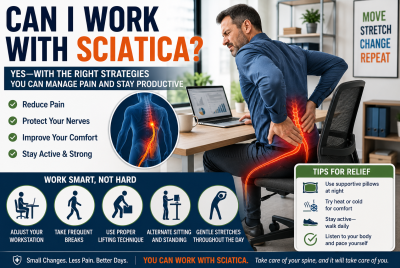
🪑 Ergonomic Adjustments
Long sitting is the #1 trigger for U.S. office workers with sciatica.
Helpful tools include:
-
Lumbar cushions
-
Standing desks
-
Kneeling chairs
-
Ergonomic office chairs
🧴 Massage Therapy
Deep tissue and trigger-point massage can relieve tight glutes and piriformis muscles that irritate the sciatic nerve.
🌿 Herbal Remedies
Some herbs may reduce inflammation or muscle tension:
-
Devil’s claw
-
Boswellia
-
White willow bark
🌀 TENS Unit Therapy
A small device that sends gentle electrical pulses to block pain signals. Affordable OTC units are widely available in the U.S.
🔧 Physical Therapy Options That Support Healing
A licensed physical therapist can provide a personalized sciatic nerve care plan.
Typical components include:
-
Core-strengthening routines
-
Posture correction
-
Hip stability exercises
-
Spinal mobility training
PT helps address the underlying cause — not just the symptoms.
🏡 Home Strategies To Prevent Sciatica Flare-Ups
These simple daily habits can reduce inflammation and keep the sciatic nerve free from compression.
🌞 Daily Prevention Tips
-
Stay active with low-impact movement
-
Avoid sitting longer than 30–40 minutes
-
Strengthen your core and glutes
-
Maintain a healthy weight
-
Alternate heat and ice
-
Use a supportive mattress and pillow
🔄 Anti-Inflammatory Lifestyle Habits
-
Eat more omega-3-rich foods (salmon, walnuts)
-
Reduce sugar and processed foods
-
Add turmeric, ginger, and leafy greens
-
Stay hydrated
-
Stretch before bed
🚨 When To See A Doctor For Sciatica
Seek medical care if you experience:
-
Pain lasting longer than 2–4 weeks
-
Numbness that worsens
-
Weakness in the leg or foot
-
Trouble standing, walking, or climbing stairs
-
Loss of bladder or bowel control (medical emergency)
-
Sciatica after a fall or accident
You may benefit from:
-
Imaging (MRI or X-ray)
-
Steroid injections
-
Physical therapy
-
A customized medication plan
❓ FAQs About “What Can I Take For Sciatica Pain?”
1. What Is The Best Over-The-Counter Medication For Sciatica Pain?
NSAIDs like ibuprofen or naproxen are typically the most effective OTC options for sciatica because they reduce inflammation around the nerve.
2. Can Supplements Help Relieve Sciatica Pain?
Yes. Turmeric, magnesium, omega-3s, ALA, and B12 are widely used to reduce inflammation and support nerve health.
3. Are Muscle Relaxants Good For Sciatica?
They can help if muscle spasms are compressing the sciatic nerve, but they are usually prescribed for short-term use.
4. Can I Take Tylenol For Sciatica Pain?
Yes, acetaminophen may reduce pain levels, especially when combined with heat therapy and stretching.
5. Do Anti-Inflammatory Diets Help Sciatica?
Absolutely. Eating more whole foods, omega-3s, turmeric, berries, and leafy greens helps reduce inflammation and flare-ups.
6. When Should I Worry About Sciatica Pain?
If pain lasts longer than 3–4 weeks, worsens, or affects mobility, it’s time to see a doctor or physical therapist.
7. Can I Treat Sciatica At Home Without Medications?
Many people improve through stretching, ice/heat, ergonomic changes, supplements, and TENS therapy.
🎯 Conclusion: You Have Safe, Effective Options — And Relief Is Possible
Sciatica pain can feel overwhelming, but you are not powerless. Whether you choose OTC sciatica treatments, gentle supplements, or natural remedies, there are many safe options that can ease nerve pain and help you move more freely.
Consistency is key. The more you support your posture, movement, and inflammation levels, the more control you gain over your symptoms. Small daily changes create big long-term results — and you deserve to feel better.
⚕️ Medical Disclaimer
This article is for informational purposes only and is not a substitute for professional medical advice, diagnosis, or treatment. Always consult with a qualified healthcare provider before starting new medications, supplements, or treatment plans for sciatica or nerve-related pain.
 Explore more: