Pelvic Girdle Pain Explained: Pelvic Vs Nerve Causes, Symptoms, And Real Relief Options
⚡ Quick Answer: What Is Pelvic Girdle Pain And How Is It Different From Sciatica?
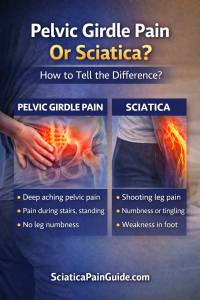
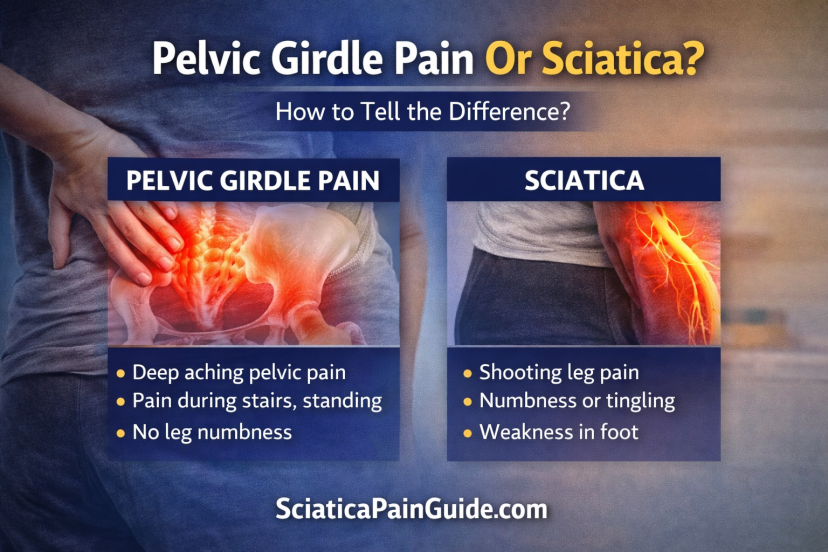
Pelvic girdle pain is pain that comes from the joints, ligaments, or muscles that stabilize the pelvis. Sciatica, on the other hand, is nerve pain caused by irritation or compression of the sciatic nerve.
👉 Pelvic girdle pain usually feels like:
-
Deep aching in the hips or pelvis
-
Pain with walking or stairs
-
Pain turning in bed
-
Pain while standing on one leg
👉 Sciatica usually feels like:
-
Sharp shooting leg pain
-
Burning or electric nerve sensation
-
Tingling or numbness down leg
Many people in the U.S. search for pelvic girdle pain when they are trying to figure out if their pain is joint-based or nerve-based.
🌿 Why Pelvic Girdle Pain And Sciatica Are Often Confused
Pelvic girdle pain can feel very similar to lower back or nerve pain because the pelvis supports the spine, hips, and leg movement. When pelvic joints become irritated, surrounding muscles tighten, which can create pain patterns that mimic sciatica.
You may notice:
-
Buttock pain
-
Hip stiffness
-
Pain after long sitting
-
Pain after long walking
-
Pain switching sides
Many patients first assume they have sciatica before being diagnosed with pelvic girdle pain.
🧠 What Causes Pelvic Girdle Pain?
Pelvic girdle pain often involves instability or inflammation in the pelvic joints, especially the sacroiliac (SI) joints.
Common Pelvic Girdle Pain Causes In The U.S.
-
SI joint dysfunction
-
Pregnancy or postpartum ligament looseness
-
Core muscle weakness
-
Hip muscle imbalance
-
Prior falls or sports injury
-
Long-term desk sitting
Unlike nerve compression, pelvic girdle pain usually does not cause true nerve damage.
💥 What Causes Sciatic Nerve Pain?
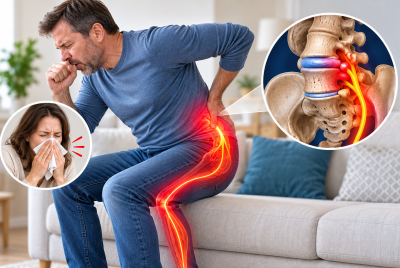
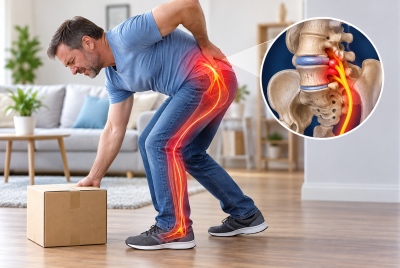
Sciatica typically comes from spinal nerve compression or irritation.
Common Sciatica Causes
-
Herniated discs
-
Spinal stenosis
-
Degenerative disc disease
-
Piriformis syndrome
-
Spinal arthritis
This is why identifying pelvic girdle pain vs nerve pain matters — treatments are different.
🔎 Pelvic Girdle Pain Symptoms Vs Sciatica Symptoms
⚡ Pelvic Girdle Pain Symptoms
-
Deep, dull pelvic ache
-
Pain when rolling in bed
-
Pain climbing stairs
-
Pain while standing on one leg
-
Pain across low back and hips
⚡ Sciatica Symptoms
-
Sharp shooting leg pain
-
Burning nerve sensation
-
Tingling or numbness
-
Foot weakness
-
Electric shock-type pain
🧍 Real-Life Scenario: Pelvic Girdle Pain Vs Sciatica
Example:
Ashley, 37, nurse in Florida
Symptoms:
-
Buttock pain
-
Hip stiffness
-
Pain walking long shifts
She assumed sciatica.
Diagnosis showed pelvic girdle pain due to SI joint instability.
Treatment:
-
Pelvic stabilization exercises
-
SI support belt
-
Physical therapy
Result: Major improvement within 8 weeks.
✅ Self-Assessment Checklist: Could This Be Pelvic Girdle Pain?
You may have pelvic girdle pain if:
✅ Pain feels deep and aching
✅ Pain worsens walking upstairs
✅ Pain improves with a support belt
✅ Pain changes sides
✅ Pain increases when standing on one leg
You may have nerve sciatica if:
⚠ Pain shoots down the leg
⚠ Burning nerve pain exists
⚠ Numbness occurs
⚠ Foot weakness develops
💊 Treatment Options For Pelvic Girdle Pain
🌿 Conservative Treatments
Most U.S. providers start here:
-
Physical therapy
-
Pelvic stabilization exercises
-
SI joint belts
-
Anti-inflammatory medication
-
Movement modification
🩺 Medical Treatments
If conservative care fails:
-
SI joint injections
-
Image-guided pain procedures
-
Specialized rehab programs
Surgery is rarely needed for pelvic girdle pain.
🧘♀️ Best Exercises For Pelvic Girdle Pain
Pelvic Tilts
Strengthens deep core stabilizers.
Glute Bridges
Improves hip and pelvic support.
Clamshell Exercise
Strengthens hip stabilizers.
Bird Dog Exercise
Improves spinal stability and coordination.
🌿 Lifestyle Changes That Improve Pelvic Girdle Pain
Daily Habits That Matter
-
Avoid sitting longer than 45–60 minutes
-
Use ergonomic chairs
-
Maintain a healthy weight
-
Walk daily
-
Strengthen core and hips
Lifestyle consistency matters as much as treatment.
⚖️ Expectation Vs Reality: Pelvic Girdle Pain Recovery
Expectation
Pain will disappear quickly with rest.
Reality
Pelvic girdle pain improves with:
-
Movement
-
Strength training
-
Stability exercises
-
Gradual load increase
Excessive rest can slow recovery.
🇺🇸 U.S. Trends In Pelvic Girdle Pain Treatment
Growing trends include:
-
Physical therapy first approach
-
Reduced opioid prescribing
-
Postpartum pelvic rehab programs
-
Functional movement therapy
Insurance often requires conservative therapy first.
📋 Practical Next Steps If You Suspect Pelvic Girdle Pain
Step-By-Step Plan
1️⃣ Track symptoms for 1–2 weeks
2️⃣ Note triggers (stairs, sitting, walking)
3️⃣ Get evaluated by PT or spine provider
4️⃣ Start stabilization exercises early
5️⃣ Use pelvic support if recommended
🌿 Home Strategies That Support Pelvic Recovery
Helpful home approaches include:
-
Heat therapy for muscle tightness
-
Anti-inflammatory diet
-
Sleep positioning with a pillow between the knees
-
Gentle daily mobility work
🌿 When To Seek Medical Help For Pelvic Girdle Pain Vs Nerve Pain
Understanding when to seek medical care is important if you’re dealing with pelvic girdle pain, especially because pelvic joint pain and nerve pain can sometimes overlap. Mild to moderate pelvic girdle pain often improves with physical therapy, strengthening exercises, and activity modification. However, if pain continues to worsen or begins to affect daily function, a medical evaluation can help determine whether the issue is joint-related, nerve-related, or a combination of both.
You should consider seeing a healthcare provider if your pelvic girdle pain lasts longer than a few weeks despite home treatment. In the U.S., many patients start with primary care or physical therapy before seeing spine or orthopedic specialists if symptoms persist.
Seek urgent care if you notice symptoms that suggest nerve involvement rather than typical pelvic girdle pain, such as increasing leg weakness, numbness spreading down the leg, or difficulty controlling bladder or bowel function. These symptoms are less common with pelvic girdle pain and may indicate nerve compression that needs faster evaluation.
Receiving an accurate diagnosis early can help you avoid unnecessary medications and focus on treatments that support long-term stability, mobility, and pain reduction.
❓ FAQs: Pelvic Girdle Pain
Is pelvic girdle pain permanent?
Usually not. Many cases improve with therapy and strengthening.
Can pelvic girdle pain cause leg pain?
Yes, but usually dull and referred, not sharp nerve pain.
How long does pelvic girdle pain last?
Mild cases may improve in weeks. Chronic cases may take months.
Is pelvic girdle pain common during pregnancy?
Yes. Hormonal ligament loosening contributes.
Can pelvic girdle pain and sciatica happen together?
Yes, especially if muscle tightness irritates nerves.
🌟 Conclusion: Correct Diagnosis Leads To Faster Relief
If you’re struggling with pelvic girdle pain, the most important step is distinguishing joint pain from nerve pain.
The right diagnosis helps you:
✅ Choose the right treatment
✅ Avoid unnecessary medications
✅ Recover faster
✅ Prevent long-term instability
Many people improve significantly when they prioritize pelvic stability rather than treating symptoms alone.
⚠️ Medical Disclaimer
This article is for informational purposes only and does not replace medical advice, diagnosis, or treatment. Always consult a qualified healthcare provider before starting treatment, exercises, or medication.
 Explore more:
- Sciatica Pain Relief Pillow
- Can Acupuncture Help With Sciatica?
- What To Do For Sciatica Pain At Home