How to Reduce Sciatica Pain: Simple Daily Habits That Actually Help

⚡ Why Sciatica Pain Feels So Hard to Manage
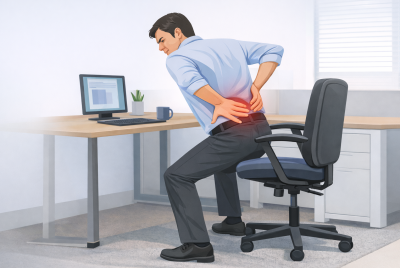
If you’re living with sciatica, you already know how unpredictable and frustrating it can be. One day it’s a dull ache in your lower back, and the next day there’s a sharp, electric shock running from your hips to your toes. Sitting hurts. Standing hurts. Even trying to sleep can feel impossible.
The good news? You can learn how to reduce sciatica pain with simple lifestyle adjustments and daily habits that calm the irritated nerve. These changes are realistic, science-backed, and designed to fit into a busy routine — no intense workouts or expensive treatments required.
This guide breaks down the most effective habits U.S. adults rely on to relieve lower-back pain, reduce nerve inflammation, and stay active, even during flare-ups.
Let’s start building your personalized sciatica relief plan.
🌿 What Causes Sciatica Pain? (And Why It Keeps Coming Back)
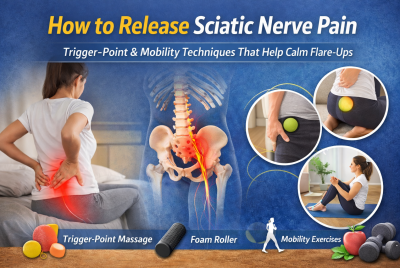
To understand how to reduce sciatica pain, it helps to know what triggers it. Sciatica happens when the sciatic nerve becomes compressed or irritated. This nerve runs from your lower back through your hips, buttocks, and down each leg.
Common causes include:
- Herniated or bulging discs
- Degenerative disc disease
- Piriformis syndrome
- Spinal stenosis
- Poor posture and weak core muscles
- Sedentary lifestyle or long hours of sitting
When pressure hits the nerve, inflammation builds. That inflammation leads to pain, tingling, numbness, or weakness — sometimes severe enough to interfere with daily life.
💺 Daily Habits to Reduce Sciatica Pain Naturally
These everyday habits are highly effective for calming the nerves, improving circulation, and reducing lower-back stress.
🪑 1. Improve Your Sitting Posture (The #1 Habit for Relief)
Poor posture is one of the biggest triggers for sciatica. Many U.S. adults sit for over 7 hours a day, which puts pressure on the lower spine.
✅ Try these posture fixes:
- Keep your feet flat on the floor
- Use lumbar support (a small cushion works)
- Sit with your hips slightly higher than your knees
- Avoid leaning forward or rounding the shoulders
Tip: A simple memory-foam lumbar cushion from Amazon can dramatically reduce lower-back pain when used consistently.
🧍 2. Stand and Stretch Every 30–45 Minutes
Sitting for long periods stiffens the lower back and increases inflammation around the sciatic nerve.
Even standing up for 1–2 minutes can help manage lower-back pain.
Micro-break routine:
- Stand up
- Roll your shoulders
- Gently arch and extend your back
- Walk for 30 seconds
Small changes = big relief.
🧘♀️ 3. Do Gentle Stretches That Target the Sciatic Nerve
Certain stretches physically reduce nerve compression and help decrease inflammation.
🧘♀️ Effective stretches to add daily:
- Knee-to-chest stretch
- Piriformis stretch
- Seated hip opener
- Cat-cow mobility
- Figure-4 stretch
Perform each one slowly, holding for 20–30 seconds. These are some of the most reliable sciatica pain relief tips backed by physical therapists.
🌡️ 4. Use Heat and Ice the Right Way
Both heat and ice help reduce nerve inflammation and relax tight muscles.
❄️ Ice (for sharp or recent pain):
• Apply for 10–15 minutes
• Best after activity or flare-ups
🔥 Heat (for stiffness or tight muscles):
• Apply for 15–20 minutes
• Best in the morning or before stretching
Many U.S. readers keep a microwaveable heating pad near their desk or bed for easy use.
🚶 5. Walk for 10–20 Minutes Each Day
Walking increases blood flow, loosens tight muscles, and improves spine movement — all essential for relieving pressure on the sciatic nerve.
Why walking works:
- Strengthens core and glute muscles
- Reduces stiffness caused by sitting
- Helps manage lower-back pain long-term
Aim for at least 10 minutes, even during flare-ups.
🍃 6. Reduce Nerve Inflammation Through Diet
Inflammation increases sciatic nerve sensitivity. A simple anti-inflammatory diet helps reduce flare-ups.
🥗 Eat more:
- Leafy greens
- Berries
- Salmon
- Olive oil
- Nuts and seeds
🍩 Avoid:
- Highly processed foods
- Sugary snacks
- Excess alcohol
Adding omega-3 supplements or turmeric (curcumin) may also help reduce nerve inflammation naturally.
💤 7. Fix Your Sleep Position
Sleeping in the wrong position can irritate the sciatic nerve all night.
Best sleep positions:
- On your back with a pillow under your knees
- On your side with a pillow between your thighs
Avoid sleeping flat on your stomach — it increases lumbar strain.
🧘 8. Reduce Stress to Reduce Pain
Stress increases muscle tension, which compresses the sciatic nerve.
Effective stress-reduction habits:
- Deep breathing
- Meditation
- Gentle yoga
- Light stretching before bed
Even 5 minutes of calm breathing can help manage lower-back pain.
💪 Strengthening Exercises That Support the Sciatic Nerve
Once pain calms down, strengthening the muscles that support your spine is essential for long-term relief.
🏋️ 1. Core Strengthening (Protects the Lower Spine)
Your core stabilizes your spine. Weak core muscles lead to more sciatic nerve irritation.
Try:
- Pelvic tilts
- Dead bugs
- Modified planks
- Bird dogs
Start with 10–12 gentle reps per exercise.
🍑 2. Glute Activation (Reduces Hip and Leg Pressure)
Strong glutes take pressure off the lower-back region where sciatica starts.
Good beginner exercises:
- Glute bridges
- Standing leg lifts
- Lateral band walks
These help stabilize your pelvis and reduce nerve compression.
🧴 Helpful Tools U.S. Readers Use for At-Home Relief
These common tools make sciatica management much easier:
Popular items:
- Lumbar support cushions
- Memory-foam seat cushions
- Adjustable standing desks
- Heating pads & ice packs
- Massage guns (used gently)
- Back braces during flare-ups
Not all tools are necessary — pick the ones that support your daily routine.
🌟 When to See a Doctor or Specialist
While lifestyle habits help significantly, certain symptoms require medical attention.
Contact a doctor, chiropractor, or physical therapist if you experience:
- Sciatica pain lasting longer than 6 weeks
- Worsening numbness or tingling
- Loss of strength in the leg or foot
- Difficulty controlling bowel or bladder
- Pain after trauma or a fall
Early evaluation prevents long-term nerve damage.
❓ FAQs About How to Reduce Sciatica Pain
1. What is the fastest way to reduce sciatica pain?
The fastest methods include ice therapy, gentle stretching, short walks, and correcting your sitting posture.
2. Can sciatica go away on its own?
Yes. Many cases improve within 4–6 weeks with daily care, stretching, and activity modification.
3. Should I rest or stay active?
Light movement is better than long periods of rest. Walking helps reduce nerve inflammation.
4. What triggers sciatica flare-ups?
Sitting too long, poor posture, heavy lifting, and stress are common triggers.
5. Are massages good for sciatica?
A gentle massage can reduce muscle tightness around the lower back and hips.
6. Which stretches help immediately?
Piriformis Figure 4, knee-to-chest, and piriformis stretches often provide quick relief.
7. Is heat or ice better?
Use ice for new or sharp pain and heat for stiffness or chronic flare-ups.
🌈 Conclusion: Small Consistent Habits = Big Long-Term Relief
Sciatica can make everyday life challenging, but it doesn’t have to control your days. By practicing simple habits — better posture, gentle stretching, stress reduction, movement, and anti-inflammatory eating — you can significantly reduce pain and prevent flare-ups.
Consistency is the key. Every small change adds up.
You deserve a pain-free, active, and comfortable life — and these daily habits will help you get there, one step at a time.
⚕️ Medical Disclaimer
This article is for informational purposes only and does not replace professional medical advice, diagnosis, or treatment. Always consult your doctor, physical therapist, or qualified healthcare provider before starting any new treatment or exercise program.
 Explore more:
- Sciatica Pain Worse at Night?
- Lower Back Stiffness Sciatica Exercises
- Sciatica Buttock Pain Treatment at Home