Lower Back Stiffness Sciatica Exercises: The Best Moves to Restore Mobility and Relieve Nerve Pain
⚡ When Lower Back Stiffness Takes Over Your Life
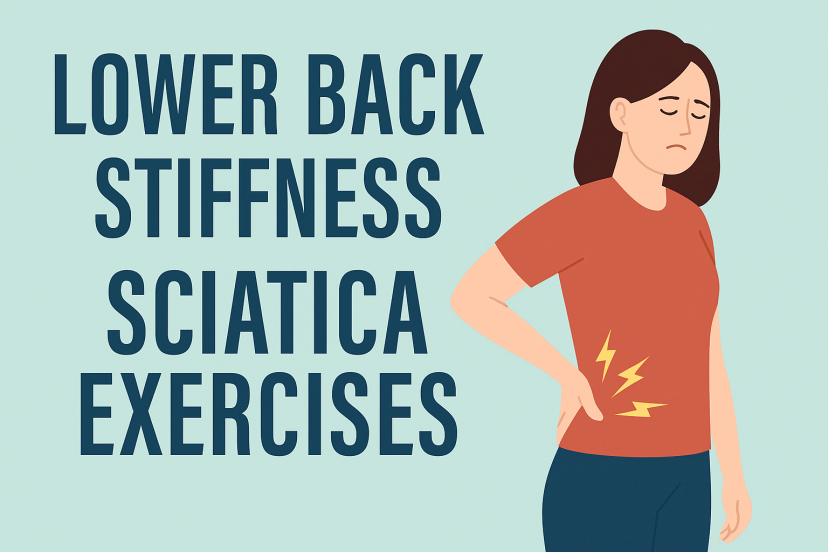
Waking up with a stiff lower back is frustrating. But when that stiffness is paired with sciatica, it can feel overwhelming. Simple actions—standing up, bending down, getting dressed, sitting in the car—can suddenly hurt in ways that stop your daily routine cold.
If you’re searching for lower back stiffness sciatica exercises, you’re not alone. Millions of Americans struggle with nerve-related back stiffness caused by compression along the sciatic nerve. The pain can feel tight, locked, burning, sharp, or electric—and it often radiates from the lower back into the hip, buttock, and leg.
The good news? Targeted exercises, stretching, posture correction, and daily mobility habits can dramatically improve stiffness caused by nerve compression. This guide will show you exactly how to restore movement safely, reduce pain, and protect your spine long-term.
💡 What Causes Lower Back Stiffness With Sciatica?
Lower back stiffness with sciatica happens when nerve compression and muscle guarding occur together. The body tightens muscles to protect injured areas, but that tightness often worsens the nerve irritation.
✅ Common Causes Include:
-
Herniated or bulging discs
-
Degenerative disc disease
-
Spinal stenosis
-
Piriformis syndrome
-
Prolonged sitting
-
Poor posture
-
Weak core muscles
-
Limited flexibility
-
Chronic stress
When the sciatic nerve is compressed, surrounding muscles tighten and restrict movement—leading to stiffness that feels impossible to stretch away.
🌟 Symptoms That Signal Sciatic Stiffness in the Lower Back
Sciatic stiffness does not always feel the same for everyone. Common symptoms include:
✅ Tightness when standing up
✅ Difficulty bending forward
✅ Reduced flexibility
✅ Burning or pulling sensations
✅ Stiffness after sitting
✅ Morning back stiffness
✅ Shooting pain down one leg
✅ Tingling or numbness
These symptoms usually worsen with inactivity and improve slightly with gentle movement.
⚡ Why Lower Back Stiffness Sciatica Exercises Work
Lower back stiffness sciatica exercises work because they target three key recovery goals:
✅ Reduce nerve compression
✅ Restore flexibility
✅ Improve posture and spinal stability
When done consistently, these exercises:
-
Improve circulation to the nerve
-
Reduce muscle tension
-
Improve joint mobility
-
Reduce inflammation
-
Prevent repeat flare-ups
Movement is not your enemy—improper movement is.
🧘♀️ Best Lower Back Stiffness Sciatica Exercises (Daily Routine)
These exercises are safe for most mild-to-moderate cases when done gently and correctly.
💪 Knee-to-Chest Stretch
✅ Relieves lumbar stiffness
✅ Reduces disc pressure
✅ Promotes spinal decompression
How to perform:
-
Lie on your back
-
Pull one knee toward your chest
-
Hold 20–30 seconds
-
Switch sides
-
Repeat 3 rounds
⭐ Pelvic Tilt Exercise
✅ Activates core muscles
✅ Improves posture
✅ Reduces lower back tension
How to perform:
-
Lie flat with knees bent
-
Tighten stomach muscles
-
Flatten your lower back into the floor
-
Hold 5 seconds
-
Repeat 10–15 times
⭐ Seated Sciatic Nerve Glide
✅ Restores nerve mobility
✅ Reduces tingling
✅ Improves flexibility
How to perform:
-
Sit tall
-
Extend one leg forward
-
Flex toes upward
-
Hold 3 seconds
-
Return slowly
-
Repeat 10 reps per side
🐈 Cat-Cow Stretch
✅ Improves spinal flexibility
✅ Releases stiffness
✅ Aids circulation
How to perform:
-
On hands and knees
-
Inhale, arch back
-
Exhale, round spine
-
Repeat 8–10 times
💪 Standing Hip Flexor Stretch
✅ Reduces pelvic tension
✅ Improves walking mobility
✅ Reduces nerve compression
How to perform:
-
Step one foot forward
-
Bend the front knee
-
Push hips forward gently
-
Hold 30 seconds
-
Switch sides
⚡ Stretching vs Strengthening for Sciatica Stiffness
Both are essential.
✅ Stretching Helps:
-
Release tight muscles
-
Improve flexibility
-
Reduce nerve pulling
✅ Strengthening Helps:
-
Stabilize the spine
-
Prevent recurring injury
-
Improve posture
Ignoring either one slows recovery.
⚡ Posture Fixes That Speed Up Mobility Recovery
Poor posture places constant pressure on the sciatic nerve—even during rest.
✅ Sit with feet flat
✅ Keep knees slightly lower than hips
✅ Use lumbar support cushions
✅ Avoid crossing legs
✅ Stand every 30–45 minutes
✅ Try a standing desk
These simple changes dramatically reduce daily nerve compression.
🛋️ Best Sleeping Positions for Lower Back Stiffness and Sciatica
✅ Side sleepers: pillow between knees
✅ Back sleepers: pillow under knees
✅ Avoid stomach sleeping
✅ Medium-firm mattress works best
Poor sleep posture can undo an entire day of good exercise work.
🙏 Home Remedies That Support Sciatic Mobility
🌿 Heat therapy for stiffness
🌿 Ice for fresh inflammation
🌿 Epsom salt baths
🌿 Magnesium supplementation
🌿 Omega-3 fatty acids
Always consult your healthcare provider before beginning supplements.
🧑 When Physical Therapy Is Needed
Seek physical therapy if:
✅ Stiffness lasts longer than 3–4 weeks
✅ Walking becomes painful
✅ Leg weakness appears
✅ Exercises don’t improve symptoms
✅ Pain worsens with movement
Physical therapists create personalized mobility programs that speed healing dramatically.
🧘♀️ Lifestyle Habits That Keep Sciatica From Returning
✅ Daily walking
✅ Core strengthening
✅ Proper lifting mechanics
✅ Stress management
✅ Hydration
✅ Weight balance
✅ Regular mobility routines
Your daily habits determine whether sciatica becomes chronic—or goes away for good.
⚠️ When to See a Doctor for Sciatic Stiffness
Seek immediate care if you experience:
✅ Progressive weakness
✅ Loss of bowel or bladder control
✅ Severe numbness
✅ Inability to stand or walk
✅ Constant worsening pain
These symptoms may indicate serious nerve compression.
❓ FAQs About Lower Back Stiffness Sciatica Exercises
1. Do lower back stiffness sciatica exercises really work?
Yes. Targeted mobility and strengthening exercises reduce nerve pressure and restore movement safely.
2. How long before stiffness improves with exercises?
Most people notice improvement within 2–4 weeks with consistent daily effort.
3. Is walking good for lower back stiffness and sciatica?
Yes. Gentle walking improves circulation and speeds nerve recovery.
4. Can stretching make sciatica worse?
Aggressive or forced stretching can worsen symptoms. Gentle stretching is safest.
5. Should I rest if my back feels stiff?
Short rest is okay, but too much inactivity increases stiffness and delays healing.
6. Are back braces helpful for stiffness?
They can provide short-term support but should not replace exercise and mobility training.
7. When can I return to normal workouts?
Once pain decreases and flexibility improves, light strength training can be resumed gradually.
💥 Final Takeaway: Movement Is Medicine for Sciatic Stiffness
Lower back stiffness sciatica exercises are one of the most powerful tools you have for recovery. When done consistently, they:
✅ Restore mobility
✅ Reduce nerve compression
✅ Improve posture
✅ Prevent flare-ups
✅ Protect the spine long-term
Sciatic stiffness does not improve overnight—but daily movement, gentle stretching, proper posture, and strength training build real, lasting relief. Stay patient. Stay consistent. Your spine is designed to heal.
⚠️ Medical Disclaimer
This article is for educational purposes only and is not intended to replace professional medical advice, diagnosis, or treatment. Always consult your healthcare provider before starting any exercise, stretching, or supplement program—especially if you have severe pain, neurological symptoms, or a diagnosed spinal condition.
 Explore more: