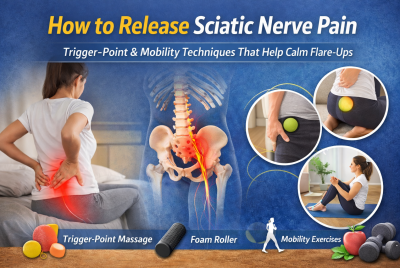
What To Do About Sciatica Pain: Your Step-By-Step Relief Plan

🧑 When Sciatica Pain Takes Over Your Life
If you’re searching “what to do about sciatica pain”, you’re likely dealing with a burning, shooting, or nagging ache that makes daily life exhausting. Sitting too long hurts… standing too long hurts… even bending to tie your shoes can send a lightning bolt of pain down your leg.
Sciatica doesn’t just affect your back — it affects your mood, sleep, energy, and ability to enjoy your day. But here’s the good news: You can take control. With the right sciatica treatment steps, targeted home remedies, and strategic lifestyle adjustments, most people experience meaningful relief.
This guide gives you a clear, organized sciatica management plan — so you know what to do first, what to do next, and how to build long-term habits that reduce flare-ups.
💥 Step 1: Understand What’s Causing Your Sciatica Pain
Before learning what to do about sciatica pain, it helps to know what’s actually triggering it. The sciatic nerve can become irritated due to:
-
Herniated or bulging lumbar discs
-
Piriformis muscle tightness
-
Spinal stenosis
-
Degenerative disc disease
-
Pregnancy-related changes
-
Sedentary lifestyle
-
Poor posture
-
Muscle imbalances
Common symptoms include:
-
Sharp, electric, or burning pain
-
Pain that travels down the thigh or calf
-
Numbness or tingling in legs or feet
-
Increased pain when sitting
-
Weakness in the affected leg
Knowing the root cause helps you choose the right nerve pain tips and treatment steps.
✨ Step 2: Start With Immediate Home Relief Techniques
These fast-acting methods help reduce inflammation and ease nerve irritation.
❄️ Apply Ice During The First 48–72 Hours
Ice reduces swelling and helps calm irritated tissue.
How to use it:
-
Apply for 15–20 minutes
-
Repeat every 2–3 hours
-
Wrap the ice pack in a thin towel
🔥 Use Heat To Loosen Tight Muscles
After the initial inflammation phase, heat brings blood flow and reduces stiffness.
Effective U.S. options include:
-
Heating pads
-
Warm showers
-
Microwaveable heat packs
-
Electric back wraps
🧘♀️ Do Gentle Sciatica Stretches
Stretching is one of the most effective sciatica treatment steps.
Helpful stretches:
-
Figure-4 stretch
-
Piriformis stretch
-
Seated hip stretch
-
Hamstring stretch
-
Cat-cow mobility
Hold each stretch 20–30 seconds, repeat 2–3 times daily.
💪 Take Short Movement Breaks
Long periods of sitting compress the lower spine. Even a 5-minute walk can significantly reduce pressure on the nerve.
🌟 Step 3: Improve Your Sitting, Standing, And Sleeping Habits
These ergonomic adjustments are essential in a long-term sciatica management plan.
🪑 Upgrade Your Sitting Posture
Many U.S. office workers deal with sciatica triggered by poor desk posture.
Use:
-
A lumbar cushion
-
A chair with adjustable support
-
A footrest if your feet don’t reach the floor
Sit with:
-
Shoulders relaxed
-
Hips level
-
Head aligned with spine
-
Feet flat on the floor
🧍 Reduce Standing Strain
If you work on your feet:
-
Shift your weight frequently
-
Wear supportive shoes
-
Use anti-fatigue mats
😴 Adjust Your Sleep Setup
Best positions:
-
On your back with a pillow under your knees
-
On your side with a pillow between your legs
Avoid stomach sleeping — it twists the lower spine.
⭐ Step 4: Use Helpful Tools And Supports
These products offer relief and support healing.
🪑 Try A Standing Desk
Alternating between sitting and standing reduces compression.
🪢 Wear A Lower Back Brace
A brace can provide stability during flare-ups or lifting activities.
🌀 Use A TENS Unit
OTC nerve stimulation devices provide short-term pain reduction.
🧴 Try Topical Pain Relief
Options widely available in the U.S.:
-
Biofreeze (menthol)
-
Lidocaine patches
-
Capsaicin creams
-
Arnica gels
⚡ Step 5: Build An Effective Movement And Exercise Routine
Movement is one of the most powerful things you can do when deciding what to do about sciatica pain.
🧘♂️ Nerve-Gliding Exercises
These help the sciatic nerve move freely through surrounding tissue.
💪 Strengthening Exercises
Build the muscles that support your spine and reduce compression.
Great choices include:
-
Glute bridges
-
Bird dogs
-
Clamshells
-
Side leg raises
-
Mini squats
-
Core tightening exercises
🚶 Low-Impact Cardio
Walking, swimming, and stationary cycling improve circulation and nourish spinal discs.
🌟 Step 6: Reduce Inflammation Using Food And Supplements
Inflammation is a major driver of nerve compression.
🌿 Anti-Inflammatory Foods
Include more:
-
Berries
-
Leafy greens
-
Salmon
-
Turmeric
-
Walnuts
-
Olive oil
Avoid:
-
Fried foods
-
Refined sugar
-
Excessive alcohol
-
Processed snacks
💊 Evidence-Supported Supplements
Common U.S. options that support nerve and muscle health:
-
Turmeric curcumin (reduces inflammation)
-
Magnesium (relaxes muscles)
-
Omega-3 fish oil (anti-inflammatory)
-
Vitamin B12 (nerve repair)
-
Alpha-lipoic acid (nerve pain support)
💥 Step 7: Create A Long-Term Sciatica Management Plan
To prevent recurring flare-ups, follow this structured routine:
🌞 Morning Routine
-
Light stretching
-
Heat for stiffness
-
5–10 minute walk
-
Proper hydration
🪑 Workday Routine
-
Movement every 30–40 minutes
-
Hip and hamstring stretches
-
Supportive office chair
-
Standing desk if possible
🌙 Evening Routine
-
Deep stretching
-
Warm bath or shower
-
Magnesium lotion
-
Relaxation exercises
These habits form the foundation of sustainable sciatica management.
⚡ Step 8: Try Physical Therapy For Personalized Treatment
Physical therapists offer specialized care, including:
-
Manual therapy
-
Postural retraining
-
Core strengthening
-
Hip mobility improvements
-
Customized exercise plans
-
Nerve gliding techniques
PT is one of the most effective long-term solutions for nerve compression.
⭐ Step 9: Track Your Pain To Understand Patterns
This helps you identify what triggers or improves your symptoms.
Keep notes on:
-
Sleep quality
-
Activities
-
Stress levels
-
Pain locations
-
Posture habits
Patterns help guide treatment decisions.
💥 Step 10: Stay Consistent, Even When You Start Feeling Better
Sciatica often improves gradually. Consistency is key — stretching today prevents pain next week.
🩺 When To See A Doctor For Sciatica Pain
Seek medical care if you experience:
-
Pain lasting longer than 2–4 weeks
-
Increasing weakness or numbness
-
Pain that interferes with walking
-
Loss of bladder or bowel control (emergency)
-
Sciatica caused by a fall or accident
-
Pain worsening despite treatment
Doctors may recommend imaging, injections, or advanced care if needed.
❓ FAQs About What To Do About Sciatica Pain
1. What Is The First Thing I Should Do For Sciatica Pain?
Ice, gentle stretching, and posture correction are the best immediate steps.
2. Can Sciatica Go Away On Its Own?
Yes — many cases improve within 2–6 weeks with consistent home treatment.
3. What Should I Avoid If I Have Sciatica Pain?
Avoid prolonged sitting, heavy lifting, twisting motions, and poor posture.
4. Is Walking Good For Sciatica?
Definitely. Walking reduces inflammation and helps decompress the nerve.
5. What Is The Best Sleeping Position For Sciatica Pain?
On your back with a pillow under your knees, or on your side with a pillow between your legs.
6. Do Supplements Help With Sciatica?
Turmeric, magnesium, omega-3s, and B12 can support nerve and muscle health.
7. When Should I See A Doctor?
If pain lasts more than a few weeks, worsens, or causes weakness or numbness.
🎯 Conclusion: You Can Take Control Of Your Sciatica
Figuring out what to do about sciatica pain doesn’t have to feel overwhelming. With a clear roadmap — stretching, movement, ergonomic fixes, topical relief, anti-inflammatory habits, and consistent routine — most people see meaningful improvements.
Small daily actions build powerful long-term relief. Stay consistent, listen to your body, and give yourself the time you need to heal. You’re not stuck — you’re moving forward.
⚕️ Medical Disclaimer
This article is for educational purposes only and is not a substitute for professional medical advice. Always consult a qualified healthcare provider before beginning any new treatment, supplement, or exercise program.
 Explore more:
- Sciatica Pain Relief Pillow: How The Right Pillow
- What Is A Sciatica?
- Nerve Glides for Sciatica: A Complete Guide