What To Do About Sciatica Pain: Practical Relief Strategies That Actually Work
😣 When Sciatica Pain Takes Over Your Life
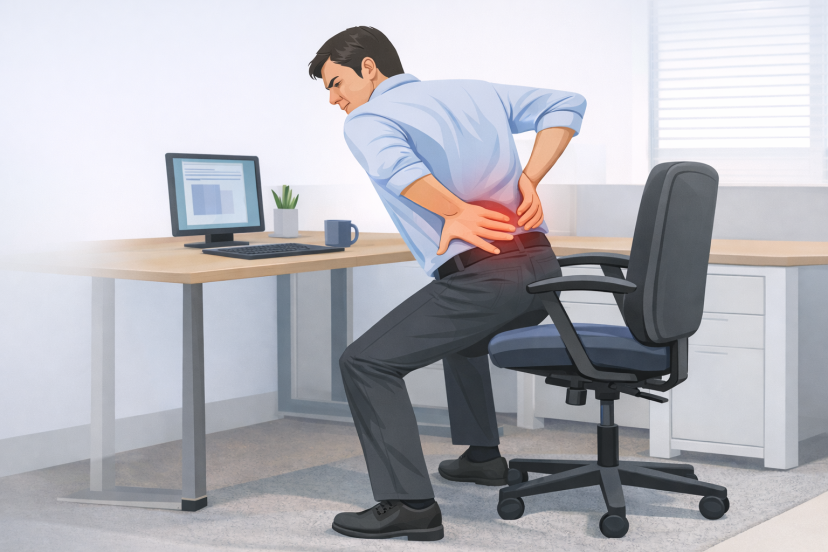
Sciatica pain can be exhausting, frustrating, and even scary. One day it’s a dull ache in your lower back—and the next, it’s a sharp, burning pain shooting down your leg that makes sitting, sleeping, or walking feel impossible.
If you’re searching for what to do about sciatica pain, you’re not alone. Millions of Americans deal with sciatic nerve pain every year, often without clear guidance on what actually helps versus what makes it worse.
The good news? Most sciatica cases improve with the right combination of movement, posture changes, targeted exercises, and simple lifestyle adjustments. This guide walks you step by step through what works—so you can regain comfort, mobility, and confidence.
⚡ What Is Sciatica Pain (And Why It Happens)
Sciatica refers to pain caused by irritation or compression of the sciatic nerve—the longest nerve in the body.
🧠 How Sciatic Nerve Pain Develops
The sciatic nerve runs from your lower spine, through your hips and buttocks, and down each leg. When something presses on this nerve, pain can radiate along its path.
Common causes include:
-
Herniated Or Bulging Discs
-
Spinal Stenosis
-
Muscle Tightness (Especially Piriformis)
-
Poor Posture Or Prolonged Sitting
-
Previous Back Injuries
Understanding the cause helps determine what to do about sciatica pain effectively.
⚠️ Common Sciatica Pain Symptoms
Sciatica symptoms vary, but often include:
-
Sharp Or Burning Leg Pain
-
Tingling Or Numbness
-
Weakness In The Leg Or Foot
-
Pain That Worsens With Sitting
-
Relief When Standing Or Walking
Symptoms usually affect one side of the body.
🧘♀️ What To Do About Sciatica Pain At Home (First Steps)
Most people can begin relieving sciatica safely at home.
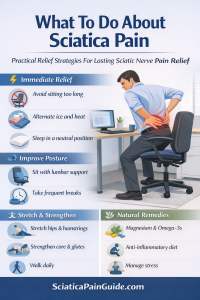
✅ Immediate Relief Strategies
-
Avoid Prolonged Sitting
-
Change Positions Frequently
-
Use Ice Or Heat Therapy
-
Sleep In A Neutral Position
Ice helps calm inflammation during flare-ups, while heat relaxes tight muscles.
🪑 Improve Posture To Reduce Nerve Pressure
Poor posture is one of the biggest contributors to ongoing sciatica pain.
💺 Sitting Posture Fixes
-
Sit With Lumbar Support
-
Keep Feet Flat On The Floor
-
Avoid Slouching Or Leaning Forward
-
Take Breaks Every 30–45 Minutes
Postural corrections often bring noticeable relief within days.
🧘♀️ Gentle Stretches That Help Sciatica Pain
Stretching reduces muscle tension around the sciatic nerve.
🌿 Best Sciatica-Friendly Stretches
-
Seated Figure-4 Stretch
-
Knee-To-Chest Stretch
-
Standing Hamstring Stretch
-
Hip Flexor Stretch
Hold each stretch for 20–30 seconds. Stop if pain worsens.
💪 Strengthening Exercises For Long-Term Relief
Weak muscles place more stress on the lower spine.
🏋️♀️ Key Muscles To Strengthen
-
Core Muscles
-
Glute Muscles
-
Lower Back Stabilizers
Helpful exercises include:
-
Glute Bridges
-
Bird Dogs
-
Modified Planks
Consistency matters more than intensity.
🚶♂️ Movement Is Medicine For Sciatica
One of the most overlooked answers to what to do about sciatica pain is gentle movement.
🧠 Why Walking Helps
-
Improves Blood Flow
-
Reduces Nerve Compression
-
Prevents Muscle Stiffness
Start with short walks and increase gradually.
🪑 Standing Desks And Sciatica: Helpful Or Harmful?
Standing desks can help—but only if used correctly.
✅ Smart Standing Desk Tips
-
Alternate Sitting And Standing
-
Avoid Locking Knees
-
Use Cushioned Floor Mats
-
Maintain Neutral Spine
Too much standing can also irritate the nerve.
🌙 Sleep Positions That Ease Sciatic Nerve Pain
Poor sleep posture can worsen pain overnight.
🛌 Best Sleeping Positions
-
Side Sleeping With Pillow Between Knees
-
Back Sleeping With Pillow Under Knees
-
Avoid Stomach Sleeping
A supportive mattress also makes a difference.
🌿 Natural Remedies That Support Sciatica Recovery
Many people seek natural ways to manage pain safely.
🍃 Common Natural Support Options
-
Magnesium Supplements
-
Omega-3 Fatty Acids
-
Anti-Inflammatory Diet
-
Massage Therapy
Always consult a healthcare provider before starting supplements.
🧠 Stress Management And Sciatica Pain
Chronic stress tightens muscles and increases pain sensitivity.
🧘 Stress-Reducing Habits
-
Deep Breathing
-
Mindfulness Practices
-
Adequate Sleep
Reducing stress helps calm the nervous system.
🏥 Physical Therapy For Sciatica Pain
Physical therapy is one of the most effective treatments for persistent sciatica.
💡 How Physical Therapy Helps
-
Corrects Muscle Imbalances
-
Improves Posture
-
Builds Spinal Stability
-
Reduces Recurrence Risk
A licensed physical therapist can tailor exercises to your condition.
What’s the Worst Thing You Can Do for Sciatica?
The worst thing you can do for sciatica is stay inactive or sit for long periods without movement. Prolonged sitting increases pressure on spinal discs and tightens the hips and lower-back muscles, which can further irritate the sciatic nerve.
Another harmful mistake is pushing through sharp pain with aggressive exercise or stretching, which may worsen nerve compression. Ignoring posture, sleeping in poor positions, or relying only on pain medication without addressing the root cause can also delay recovery. Gentle movement, proper posture, and consistent care are far more effective than rest or strain.
🚑 When To See A Doctor For Sciatica Pain
While most cases improve with conservative care, seek medical attention if you experience:
-
Severe Or Worsening Pain
-
Progressive Leg Weakness
-
Loss Of Bladder Or Bowel Control
-
Numbness in the groin area
-
Pain Lasting Longer Than 6–8 Weeks
These may signal a more serious condition.
❓ FAQs: What To Do About Sciatica Pain
1. What is the fastest way to relieve sciatica pain?
Gentle movement, posture correction, and targeted stretching often provide the quickest relief.
2. Should I rest or stay active with sciatica?
Light activity is better than bed rest for most cases.
3. Can sciatica go away on its own?
Yes, many cases resolve within weeks with proper care.
4. Does sitting make sciatica worse?
Prolonged sitting often increases nerve pressure and pain.
5. Are pain medications necessary?
Some people benefit in the short term, but lifestyle changes address the root cause.
6. Is sciatica permanent?
Most cases are temporary and improve with treatment.
7. Can exercise prevent sciatica flare-ups?
Yes, strengthening and flexibility reduce recurrence risk.
✅ Conclusion: Take Control Of Your Sciatica Recovery
If you’ve been wondering what to do about sciatica pain, the answer isn’t one single fix—it’s a combination of small, consistent actions that support nerve healing.
By improving posture, staying gently active, strengthening supportive muscles, and managing daily habits, you can reduce pain and prevent flare-ups. Progress may take time, but your body is capable of healing with the right support.
Relief is possible—and it starts with informed, patient action.
⚠️ Medical Disclaimer
This content is for informational purposes only and does not replace professional medical advice. Always consult a qualified healthcare provider before starting new treatments, exercises, or supplements, especially if symptoms are severe or persistent.
 Explore more: