How To Alleviate Sciatic Nerve Pain: Proven Techniques For Fast Relief

⚡ When Sciatica Pain Takes Over Your Day
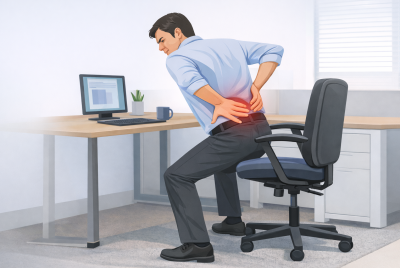
If you’re urgently looking for how to alleviate sciatic nerve pain, you’re likely dealing with burning, stabbing, or radiating discomfort that travels from your lower back down into your hip, leg, or foot. Sciatica doesn’t just hurt — it interrupts sleep, makes sitting unbearable, and turns simple movements into exhausting tasks.
The good news? There are practical, science-backed steps you can take today to experience both immediate relief and long-term improvement. This guide walks you through proven sciatic pain management strategies, nerve pain reduction tips, and effective sciatica home remedies that real people use every day to feel better — naturally and safely.
💡 Understanding What Causes Sciatic Nerve Pain
Before you can learn how to alleviate sciatic nerve pain, it helps to understand what triggers it.
The sciatic nerve is the longest nerve in the body. It can become irritated or compressed due to:
-
Herniated or bulging lumbar discs
-
Piriformis muscle tightness
-
Spinal stenosis
-
Poor posture
-
Prolonged sitting
-
Weak core and hip muscles
-
Heavy lifting
-
Pregnancy-related pelvic changes
Symptoms often include:
-
Sharp, burning, or shooting pain
-
Numbness or tingling
-
Pain that worsens with sitting
-
Weakness in the leg or foot
-
Pain radiating below the knee
The right mix of immediate techniques and long-term strategies can reduce inflammation, relieve compression, and support the healing process.
💥 Immediate Techniques To Alleviate Sciatic Nerve Pain
These are the fastest ways to feel relief when pain strikes suddenly.
🧊 Apply Ice To Reduce Acute Inflammation
Ice helps decrease swelling around the sciatic nerve.
How to use it:
-
Apply for 15–20 minutes
-
Repeat every 2–3 hours
-
Use during the first 48–72 hours of a flare
This is one of the most effective nerve pain reduction tips for early relief.
🔥 Switch To Heat After The Initial Swelling
Once inflammation eases, heat improves blood flow and relaxes tight muscles.
Best options include:
-
Heating pad
-
Warm bath
-
Heat wrap
-
Hot water bottle
Tip: Alternate between heat and ice for enhanced results.
🧘♀️ Use Gentle Stretches To Open The Sciatic Pathway
Stretching is one of the most powerful sciatica home remedies because it reduces compression on the nerve.
Effective stretches include:
-
Figure-4 stretch
-
Piriformis stretch
-
Seated hip opener
-
Hamstring stretch
-
Cat-cow mobility
Hold each stretch 20–30 seconds, repeat 2–3 times per day.
💪 Try A Short Walk For Faster Pain Reduction
Movement increases circulation and prevents stiffness. Even a 5–10 minute walk can reduce pain signals.
🌿 Use Topical Pain Relievers
U.S. OTC options include:
-
Menthol gels like Biofreeze
-
Lidocaine patches
-
Capsaicin cream
-
Arnica gel
These provide localized fast relief without affecting the whole body.
💪 Step-By-Step Daily Plan To Alleviate Sciatic Nerve Pain
For maximum results, combine these strategies throughout your day.
🌞 Morning Routine For Sciatic Relief
-
Perform light mobility exercises
-
Apply heat to loosen tight muscles
-
Use a lumbar support cushion if sitting for work
-
Drink water to hydrate spinal discs
🪑 Midday Relief Routine
-
Take standing or walking breaks every 30–40 minutes
-
Do 2–3 quick hip stretches
-
Use a standing desk or ergonomic setup
🌙 Evening Routine To Reduce Nighttime Pain
-
Do deep stretching (piriformis + hamstrings)
-
Take a warm shower or bath
-
Use magnesium lotion to relax muscles
-
Sleep with a pillow under your knees or between your legs
This all-day structure is one of the most effective ways to accelerate sciatic pain management.
🪑 Ergonomic Techniques To Reduce Sciatic Nerve Compression
Many U.S. workers spend hours sitting, one of the biggest triggers for sciatic pain.
🧩 Use Lumbar Support
A lumbar roll or memory-foam cushion helps maintain the natural curve of the spine and reduces pressure on the sciatic nerve.
🪑 Switch To A Standing Desk
Alternating between sitting and standing improves circulation and reduces nerve irritation.
💺 Choose The Right Chair
Look for:
-
Adjustable height
-
Firm lumbar support
-
Seat depth that allows feet to be flat on the floor
-
A slight forward tilt
🧍 Practice Neutral Posture
-
Shoulders relaxed
-
Head aligned with spine
-
Hips level
-
Weight evenly distributed
These strategies prevent irritation and support nerve pain reduction throughout the day.
🧘♀️ Stretching Exercises That Alleviate Sciatic Nerve Pain
Stretching works by reducing muscle tension, improving flexibility, and decompressing the nerve.
🌿 Piriformis Stretch
Lie on your back, cross one leg over the opposite knee, and gently pull the supporting leg toward your chest.
⚡ Figure-4 Stretch
Great for reducing tightness in the hips and glutes.
🧘 Hamstring Stretch
Tight hamstrings can increase nerve compression.
🔄 Pelvic Tilts
Strengthens your core and improves spinal mobility.
🔧 Hip Flexor Stretch
Loosening the front of the hips reduces pressure on the lower spine.
Perform these daily for at least 10–12 minutes to see improvements.
🌿 Natural Remedies That Support Sciatic Pain Management
These supportive remedies enhance your healing process.
🍵 Anti-Inflammatory Diet
Include:
-
Leafy greens
-
Berries
-
Salmon
-
Turmeric
-
Walnuts
-
Olive oil
Avoid:
-
Processed foods
-
Excess sugar
-
Vegetable oils are high in omega-6
⚡ Magnesium
Helps relax muscles and reduce tightness around the sciatic nerve.
🌱 Turmeric Curcumin
A powerful anti-inflammatory supplement used widely in the U.S.
🍒 Tart Cherry Extract
Known for easing inflammation and nighttime muscle stiffness.
🧠 Omega-3 Fish Oil
Supports joint and nerve health.
🔧 Physical Therapy Techniques For Long-Term Relief
Physical therapists use targeted methods to retrain muscles and correct movement patterns.
Treatment may include:
-
Core strengthening routines
-
Hip stability exercises
-
Glute activation
-
Manual therapy
-
Nerve gliding techniques
-
Postural retraining
This approach helps prevent future flare-ups and improves structural alignment.
💥 Strengthening Exercises For Sciatic Pain Prevention
Stronger muscles = fewer flare-ups.
Key exercises include:
-
Clamshells
-
Glute bridges
-
Bird dogs
-
Side leg raises
-
Wall sits
These stabilize the spine and hips, reducing compression on the sciatic nerve.
🚶 Helpful Lifestyle Habits For Long-Term Sciatic Relief
Sustaining results depends on consistent lifestyle practices.
🌿 Daily Habits
-
Move frequently
-
Stretch morning and evening
-
Use ergonomic work tools
-
Maintain a healthy weight
-
Engage in low-impact exercise (walking, swimming, cycling)
💧 Hydration Habits
Spinal discs are 80% water — dehydration worsens pain.
Drink water consistently throughout the day.
😴 Sleep Position Adjustments
-
Back sleepers: pillow under knees
-
Side sleepers: pillow between legs
-
Avoid stomach sleeping
🚨 When To See A Doctor For Sciatica Pain
Seek medical care if you notice:
-
Pain lasting more than 2–4 weeks
-
Symptoms that worsen despite treatment
-
Significant weakness in legs or feet
-
Loss of bladder or bowel control (emergency)
-
Numbness spreading or worsening
-
Pain after an accident or fall
A doctor may recommend imaging, advanced physical therapy, or prescription nerve medications.
❓ FAQs About How To Alleviate Sciatic Nerve Pain
1. What Is The Fastest Way To Alleviate Sciatic Nerve Pain?
Ice, heat, stretching, and walking are the quickest immediate relief techniques.
2. What Home Remedies Help Sciatica The Most?
Heat, ice, stretching, turmeric, magnesium, TENS therapy, and ergonomic adjustments.
3. How Long Does Sciatic Nerve Pain Usually Last?
Most cases improve within 2–6 weeks if treated early and consistently.
4. Can Walking Reduce Sciatica Pain?
Yes — short walks increase circulation and reduce inflammation.
5. Does Sciatica Go Away On Its Own?
Many cases do, but recurring pain may require physical therapy or medical evaluation.
6. What Should I Avoid If I Have Sciatica?
Prolonged sitting, heavy lifting, poor posture, and high-impact exercises.
7. Are Supplements Helpful For Sciatic Pain?
Turmeric, omega-3s, magnesium, and tart cherry extract may reduce inflammation and support nerve healing.
🎯 Conclusion: Relief Is Possible When You Take Consistent Action
When you’re searching for how to alleviate sciatic nerve pain, you want solutions that work — fast. The steps in this guide are proven, practical, and achievable for anyone. With consistent stretching, movement, heat/ice therapy, ergonomics, and healthy habits, you can reduce pain, prevent flare-ups, and restore your quality of life.
Even small changes can create big improvements over time — and every step you take brings you closer to comfort and control.
⚕️ Medical Disclaimer
This article is for informational purposes only and does not replace professional medical advice. Always consult a licensed healthcare provider before beginning any new treatment plan, especially if you have severe, persistent, or worsening sciatic pain.
 Explore more: