Nerve Flossing vs Stretching: What’s Better for Sciatica? (Full Guide)

🔥 When Sciatica Pain Makes Every Movement Harder
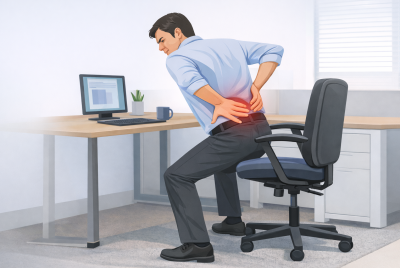
Sciatica can feel like a sharp, burning, or electric shock running from your lower back into your hip, leg, or foot. It can make everyday tasks—sitting at your desk, driving, bending forward, or getting out of bed—feel like a challenge.
Because sciatica comes from nerve compression or irritation, people often ask:
“Should I do nerve flossing or stretching for sciatica?”
This nerve flossing for sciatica guide breaks down the difference between the two, when to use each one, and which is better for reducing pain, improving nerve mobility, and supporting long-term recovery.
⚡ Quick Answer: Is Nerve Flossing or Stretching Better for Sciatica?
Both help—but they help in different ways:
-
Nerve flossing is best when the sciatic nerve is irritated, sensitive, or inflamed.
-
Stretching is best when tight muscles (hamstrings, glutes, hip flexors) put pressure on the sciatic nerve.
Most U.S. physical therapists recommend using both as part of a comprehensive PT exercise program.
Let’s go deeper.
🧠 What Is Nerve Flossing for Sciatica?
Nerve flossing (also called nerve gliding or neural mobilization) is a gentle movement technique that helps the sciatic nerve glide smoothly through surrounding tissues.
Think of it like flossing your teeth—you’re helping the nerve move freely without irritation.
How Nerve Flossing Helps
-
Improves nerve mobility
-
Reduces nerve sensitivity
-
Helps the nerve heal from inflammation
-
Decreases numbness, tingling, and “electric shock” sensations
-
Reduces pressure from tight muscles or irritated tissues
Who Benefits Most From Nerve Flossing?
-
People with herniated discs
-
Those with spinal stenosis
-
People with nerve irritation (burning, tingling, zapping pain)
-
Anyone who feels sharp pain when stretching normally
Nerve flossing is gentle—perfect when traditional stretching is too painful.
🧘♀️ What Is Stretching for Sciatica?
Stretching focuses on muscles, not nerves.
When muscles like the hamstrings, glutes, piriformis, or hip flexors become tight, they pull on the pelvis or compress areas around the sciatic nerve.
Stretching relaxes these muscles so they stop irritating the nerve.
How Stretching Helps
-
Loosens tight muscles
-
Relieves pressure on the sciatic nerve
-
Improves flexibility
-
Enhances posture and spinal alignment
-
Reduces daily flare-ups
Who Benefits Most From Stretching?
-
People who sit for long hours
-
Drivers, office workers, and desk workers
-
People with piriformis syndrome
-
Those with tight hamstrings or hip muscles
Stretching reduces physical tension, while nerve flossing reduces nerve irritation.
🔍 Nerve Flossing vs Stretching: Key Differences
🌿 1. Target
-
Nerve flossing: targets the sciatic nerve
-
Stretching: targets muscles surrounding the nerve
⚡ 2. Sensation
-
Nerve flossing should feel gentle, not painful
-
Stretching may feel intense but should not be sharp
💪 3. Best Use
-
Nerve flossing = best for nerve mobility, tingling, burning
-
Stretching = best for tightness, stiffness, and muscle-related pain
🧘♀️ 4. Frequency
-
Nerve flossing: daily or twice per day
-
Stretching: 3–7 days per week
🚦 5. When to Avoid
Avoid nerve flossing if pain worsens sharply.
Avoid stretching if it triggers shooting nerve pain.
🌀 Best Nerve Flossing Exercises for Sciatica (Step-By-Step)
Here are safe, commonly recommended PT exercises used by U.S. physical therapists.
1. Seated Sciatic Nerve Glide
-
Sit tall
-
Extend one leg slightly
-
Flex foot up
-
Look up while bending the foot
-
Return to start
-
Repeat 10–15 reps
2. Supine Nerve Glide
-
Lie on your back
-
Bring one leg up to 90 degrees
-
Straighten the knee slowly
-
Flex the foot gently
-
Return to start
3. Standing Sciatic Glide
-
Stand tall
-
Place your heel on a low stool
-
Flex foot
-
Gently lean forward
-
Return to start
Important: Nerve flossing should feel smooth and pain-free.
If pain increases → stop immediately.
🧘♀️ Best Stretches for Sciatica Relief
These stretches help reduce muscular tension around the sciatic nerve.
1. Piriformis Stretch
Targets the small hip muscle that commonly compresses the sciatic nerve.
2. Knees-to-Chest Stretch
Relieves pressure on the lower spine.
3. Hamstring Stretch
Reduces strain on the pelvis and lower back.
4. Hip Flexor Stretch
Useful for people who sit for long hours.
5. Child’s Pose
Gentle stretch for the hips, back, and spine.
💡 When Should You Use Nerve Flossing?
Use nerve flossing when you experience:
-
Tingling
-
Numbness
-
Burning sensations
-
Sharp or electric zaps
-
Pain that worsens with deep stretching
This means the nerve is irritated, not the muscle.
Flossing restores movement without applying excessive stretch to the nerve.
💡 When Should You Use Stretching?
Use stretching when you experience:
-
Tight hamstrings
-
Tight hips or glutes
-
Stiff lower back
-
Limited mobility after sitting
-
Muscle-dominant discomfort
If the pain feels “muscular,” stretching is often the better choice.
💪 Why Most U.S. Physical Therapists Recommend Both
A typical U.S. PT plan combines:
Nerve Flossing
→ to improve nerve mobility
Stretching
→ to release muscle tension
Strengthening
→ to prevent recurrence
Posture habits
→ to reduce future flare-ups
This full approach brings faster, longer-lasting sciatica relief.
🛠️ How to Combine Nerve Flossing & Stretching for Best Results
Morning Routine (5 minutes)
-
Gentle nerve flossing
-
Light hamstring stretch
Midday Routine
-
Standing hip flexor stretch
-
5–10 minute walk
Evening Routine
-
Piriformis stretch
-
Child’s pose
-
Another round of light flossing
Helpful Tools (U.S. Readers Commonly Use)
-
Lumbar cushions
-
Standing desks
-
Heating pads
-
Seat wedges
These tools reduce pressure and improve alignment during daily activities.
🧘♂️ Posture Tips for Daily Sciatica Prevention
-
Keep your feet flat when sitting
-
Use a lumbar support pillow
-
Switch between sitting and standing
-
Avoid crossing legs
-
Keep screens at eye level
-
Take movement breaks every 30–45 minutes
Posture directly affects nerve compression and flare-ups.
🧑⚕️ When to See a Doctor or PT for Sciatica Pain
If any of these occur, seek medical care:
-
Pain lasts longer than 6 weeks
-
Increasing numbness
-
Muscle weakness
-
Trouble lifting your foot (foot drop)
-
Loss of bowel or bladder control (emergency)
-
Sudden severe pain after an injury
-
Sciatica from a suspected herniated disc
A doctor may recommend:
-
Imaging (MRI, X-ray)
-
Anti-inflammatory medications
-
Cortisone injections
-
Chiropractic adjustments
❓ FAQs Related to Nerve Flossing for Sciatica
1. Is nerve flossing safe for sciatica?
Yes, when done gently. Stop if you feel sharp pain.
2. How often should I do nerve flossing for sciatica?
1–2 times daily is common for beginners.
3. Should I stretch before or after nerve flossing?
Most PTs recommend flossing first, stretching after.
4. Does nerve flossing work for a herniated disc?
It may help reduce nerve irritation, but it should be done gently.
5. Can stretching make sciatica worse?
Yes, if it stretches the nerve instead of the muscles. Avoid sharp pain.
6. How long until nerve flossing relieves pain?
Many feel improvement in 1–3 weeks with consistency.
7. Should I use heat or ice before exercise?
Heat before (relaxes muscles), ice after (reduces inflammation).
🌟 Conclusion: Use Both for the Best Relief
Nerve flossing improves nerve mobility.
Stretching reduces muscle tension.
Together, they create a powerful combination for reducing sciatic nerve irritation, preventing flare-ups, and restoring movement.
Stay consistent. Listen to your body. Small daily habits lead to big long-term improvement.
⚠️ Medical Disclaimer
This article is for informational purposes only and does not replace professional medical advice. Always consult a qualified healthcare provider before starting any exercise or treatment program.
 Explore more:
- Can Running Shoes Cause Sciatica?
- Stretches To Relieve Sciatic Nerve Pain
- How To Get Rid Of Sciatic Nerve Pain