Sciatica Pain Relief Medicine: OTC Vs Prescription Options (What Works Best In The U.S.?)
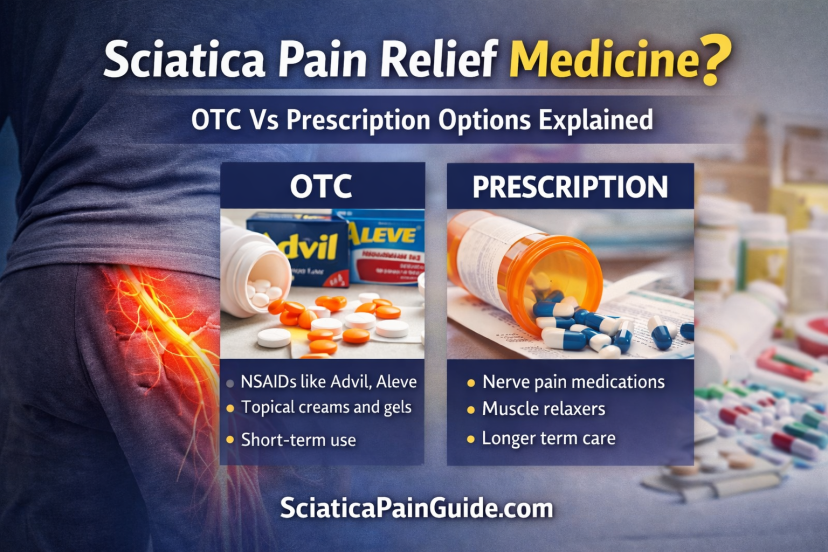
⚡ Quick Answer: What Sciatica Pain Relief Medicine Works Best?
The best sciatica pain relief medicine depends on the cause and severity of nerve compression.
⭐ Mild to moderate sciatica:
-
OTC anti-inflammatories often help first
🌟 Moderate to severe or chronic sciatica:
-
Prescription nerve pain medications or muscle relaxers may be needed
💥 Severe structural nerve compression:
-
Medicine alone may not be enough
Most U.S. doctors start with conservative OTC options before moving to prescription treatments.
🌿 Why Sciatica Pain Feels Different From Normal Back Pain
Sciatica is nerve pain, not merely muscle soreness.
You might feel:
-
Sharp shooting pain down one leg
-
Burning or electric shock sensations
-
Numbness in the foot or calf
-
Tingling or pins-and-needles
-
Leg weakness or instability
Many people start searching for sciatica pain relief medicine after stretches, rest, and heat therapy stop working.
🧠 What Causes Sciatica (And Why Medicine Helps)
Sciatica usually happens when the sciatic nerve gets compressed or inflamed.
Common U.S. Diagnosed Causes
-
Herniated discs
-
Spinal stenosis
-
Degenerative disc disease
-
Piriformis syndrome
-
Post-injury swelling
Medicine mainly helps by:
-
Reducing inflammation
-
Blocking nerve pain signals
-
Relaxing muscle spasms around the nerve
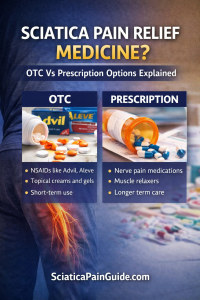
💊 Sciatica Pain Relief Medicine: OTC Options First
In the U.S., most providers recommend starting with OTC medication.
⚡ Common OTC Sciatica Pain Relief Medicine Types
NSAIDs (Anti-Inflammatories)
Examples:
-
Ibuprofen
-
Naproxen
Helps With:
-
Nerve inflammation
-
Surrounding tissue swelling
Limitations:
-
May irritate the stomach
-
Not ideal for long-term daily use
Acetaminophen
Helps With:
-
General pain relief
Limitations:
-
Does not reduce inflammation
Topical Pain Relievers
Examples:
-
Lidocaine creams
-
Menthol cooling gels
Helps With:
-
Local muscle tension
-
Mild nerve irritation
💉 Sciatica Pain Relief Medicine: Prescription Options
If OTC options fail, doctors may prescribe stronger treatments.
🧠 Nerve Pain Medications
Common Categories:
-
Gabapentinoids
-
Certain antidepressants are used for nerve pain
Helps With:
-
Burning nerve pain
-
Electric shock sensations
💪 Muscle Relaxers
Helps With:
-
Muscle guarding
-
Piriformis tension
-
Lower back spasms
Often used short term.
🌿 Oral Steroids
Helps With:
-
Acute inflammation flares
Usually short treatment courses.
⚠️ Opioids (Rare First Choice Now In U.S.)
Used only when:
-
Severe acute pain
-
Short duration
-
Other options failed
Due to addiction risks, doctors limit use.
📊 OTC Vs Prescription: Expectation Vs Reality
Expectation
-
One pill fixes nerve pain completely
Reality
-
Medicine reduces symptoms
-
Nerve healing still takes time
-
Movement therapy is usually required
🧍 Real-Life Scenario: Typical U.S. Patient Path
Example:
Mark, 52, warehouse supervisor
Step 1: Tried OTC anti-inflammatories
➡ Mild relief
In step 2: The doctor prescribed nerve medication
➡ Burning pain reduced
In step 3: Added physical therapy
➡ Walking improved significantly
Most real outcomes involve combination care.
✅ Self-Assessment: Do You Need Stronger Sciatica Pain Relief Medicine?
You may need prescription options if:
-
OTC meds fail after 2–3 weeks
-
Pain interrupts sleep
-
Burning nerve pain is severe
-
Walking distance keeps shrinking
Seek urgent care if:
-
Sudden leg weakness
-
Loss of bladder or bowel control
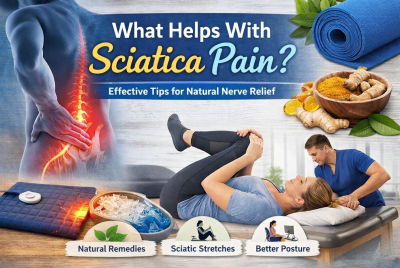
🧘♀️ Stretches That Help Medicine Work Better
Piriformis Stretch
Helps reduce muscle pressure on the nerve.
Knee-To-Chest Stretch
Helps open lower spine spaces.
Nerve Gliding Exercises
Helps nerve mobility and circulation.
🌿 Home Remedies That Support Sciatica Pain Relief Medicine
Daily Habits That Matter
-
Anti-inflammatory foods
-
Hydration
-
Posture correction
-
Stress reduction breathing
Medicine is more effective when inflammation triggers are reduced.
🇺🇸 U.S. Trends In Sciatica Pain Treatment
Growing focus on:
-
Non-opioid pain management
-
Physical therapy + medication combo
-
Integrative medicine approaches
-
Earlier movement-based recovery
Insurance often requires conservative therapy before advanced treatments.
🔎 How Long Should You Use Sciatica Pain Relief Medicine?
Typical guidance:
-
OTC: Short-term flare management
-
Prescription nerve meds: Weeks to months if needed
-
Steroids: Short course only
Always follow the provider’s instructions.
💊 Choosing The Right Sciatica Pain Relief Medicine For Your Situation
Finding the right sciatica pain relief medicine often depends on understanding why your sciatic nerve is irritated and how severe your symptoms are. In the U.S., many providers follow a step-up approach. This usually starts with OTC anti-inflammatory medications for mild to moderate nerve inflammation. If pain continues to interfere with sleep, work, or walking, doctors may consider prescription options that target nerve signaling or muscle spasms.
It’s important to remember that sciatica pain relief medicine works best when combined with movement and recovery strategies, not used alone. For example, medication can calm inflammation enough so you can tolerate physical therapy, stretching, and daily walking — which are critical for long-term nerve healing.
You should also consider safety and personal health factors. Some medications may not be recommended if you have stomach sensitivity, kidney issues, or certain heart conditions. This is why medical guidance is important, especially for longer-term use.
If you’re unsure where to start, a good next step is to track your symptoms for 1–2 weeks, note when pain is worst, and discuss this with your provider. The goal isn’t just temporary relief — it’s helping your nerve recover while keeping you active and functional.
🩺 When Medicine Alone Is Not Enough
You may need imaging or specialist care if:
-
Pain lasts longer than 8–12 weeks
-
Progressive weakness develops
-
Severe disc herniation suspected
📋 Practical Next Steps If You’re Choosing Sciatica Pain Relief Medicine
Step-By-Step Plan
-
Confirm diagnosis
-
Start with OTC anti-inflammatory (if safe)
-
Add stretching + movement
-
See a doctor if there is no improvement in 2–3 weeks
-
Consider imaging if symptoms worsen
❓ FAQs: Sciatica Pain Relief Medicine
What is the strongest medicine for sciatica pain?
Prescription nerve pain medications or steroids may be stronger than OTC options, depending on the cause.
Do anti-inflammatories really help sciatica?
Yes, especially if inflammation is pressing on the nerve.
Can muscle relaxers help sciatica pain?
Yes, if muscle tension is contributing to nerve compression.
How long does it take for sciatica medicine to work?
OTC meds may work within hours. Nerve medications may take weeks.
Can I take OTC and prescription medicine together?
Sometimes yes — but only with medical guidance.
🌟 Conclusion: The Best Sciatica Pain Relief Medicine Is Usually A Plan
The most effective sciatica pain relief medicine strategy usually includes:
✅ Correct diagnosis
✅ Short-term symptom control
✅ Movement therapy
✅ Lifestyle inflammation reduction
Many U.S. patients get the best results when medication supports rehab — not replaces it.
If sciatica is controlling your daily life, there are more options today than ever before.
⚠️ Medical Disclaimer
This content is for educational purposes only and does not replace medical advice, diagnosis, or treatment. Always consult a qualified healthcare professional before starting or changing medications or treatment plans.
 Explore more:
- Why Is My Sciatica Worse After Sitting All Day?
- Can Acupuncture Help With Sciatica?
- Pelvic Girdle Pain Explained