What Helps With Sciatica Pain? Proven Ways To Relieve Nerve Pain Fast And Naturally

⚡ Quick Answer: What Helps With Sciatica Pain?
If you’re wondering what helps with sciatica pain, the most effective relief strategies include:
- Gentle stretching and movement
- Improving posture and sitting habits
- Heat and cold therapy
- Anti-inflammatory nutrition and supplements
- Physical therapy and strengthening exercises
The key is consistency — small daily actions can significantly reduce pressure on the sciatic nerve and improve recovery.
🧠 Understanding Sciatica: Why It Hurts So Much
Sciatica isn’t just “back pain.” It’s nerve pain — and that’s why it can feel sharp, burning, or even electric.
The sciatic nerve is the largest nerve in your body. It runs from your lower back, through your hips and buttocks, and down each leg.
When something compresses or irritates this nerve, you feel:
- Shooting pain down one leg
- Tingling or “pins and needles”
- Numbness or weakness
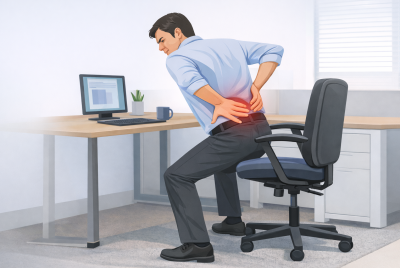
- Pain that worsens when sitting
👉 Common causes include:
- Herniated or bulging discs
- Spinal stenosis (narrowing of the spine)
- Piriformis syndrome (tight hip muscle pressing the nerve)
- Poor posture or prolonged sitting
Understanding the cause helps you choose what helps with sciatica pain more effectively.
🔥 What Helps With Sciatica Pain At Home (Fast Relief Tips)
If you’re dealing with daily discomfort, these simple strategies can make a big difference.
🌿 Heat And Cold Therapy
- Use cold packs in the first 48 hours to reduce inflammation
- Switch to heat therapy (heating pads) to relax tight muscles
- Apply for 15–20 minutes at a time
💡 Many people in the U.S. use electric heating pads or microwaveable wraps for quick relief.
🧘♀️ Gentle Stretching For Sciatic Relief
Stretching reduces pressure on the nerve and improves mobility.
Try these:
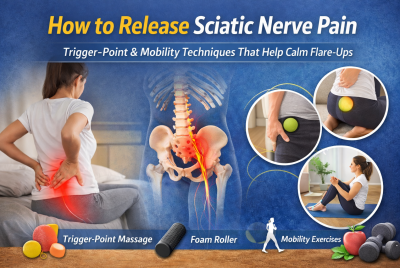
- Piriformis stretch (lying figure-4 stretch)
- Knee-to-chest stretch
- Seated spinal twist
✅ Tip: Move slowly — no bouncing or forcing the stretch.
💪 Stay Active (But Smart)
It might feel natural to rest — but too much inactivity makes sciatica worse.
Instead:
- Take short walks throughout the day
- Avoid long periods of sitting
- Use a standing desk if possible
👉 Movement improves blood flow and helps reduce nerve irritation.
🪑 Posture Fixes That Actually Help Sciatica Pain
Poor posture is one of the biggest hidden triggers.
✅ Sitting Tips
- Keep feet flat on the floor
- Use a lumbar support cushion
- Avoid slouching or leaning forward
💻 Work Setup Adjustments
- Screen at eye level
- Knees slightly lower than hips
- Chair with proper back support
💡 Many U.S. office workers benefit from ergonomic chairs or memory foam cushions designed for lower back support.
🌿 Natural Remedies: What Helps With Sciatica Pain Without Medication
If you prefer a natural approach, these options can support recovery.
🌱 Anti-Inflammatory Foods
Include more:
- Leafy greens (spinach, kale)
- Fatty fish (salmon, sardines)
- Berries and nuts
- Turmeric and ginger
💊 Supplements That May Help
Some people report relief with:
- Magnesium (muscle relaxation)
- Omega-3 fatty acids
- Vitamin B12 (nerve support)
⚠️ Always consult a healthcare provider before starting supplements.
🧘♂️ Mind-Body Techniques
Stress can worsen nerve pain.
Try:
- Deep breathing exercises
- Yoga or gentle mobility routines
- Meditation
💡 Even 5–10 minutes a day can reduce tension and improve pain perception.
🏃♂️ Physical Therapy: One Of The Best Long-Term Solutions
If you’re asking what helps with sciatica pain long-term, physical therapy is one of the most effective answers.
A physical therapist can:
- Identify the root cause
- Guide you through safe exercises
- Improve flexibility and core strength
- Prevent future flare-ups
💪 Common PT Exercises
- McKenzie extensions
- Core stabilization exercises
- Hip mobility drills
Consistency here is key — not intensity.
🚫 What Makes Sciatica Worse (Avoid These Mistakes)
Sometimes, what you stop doing matters just as much.
Avoid:
- ❌ Sitting for long hours without breaks
- ❌ Heavy lifting with poor form
- ❌ Sleeping on a too-soft mattress
- ❌ Ignoring early symptoms
👉 Small habits can either heal or worsen your condition over time.
🛌 Sleep Positions That Help Sciatica Pain
Sleep can either relieve or aggravate your pain.
💤 Best Positions
- On your side with a pillow between your knees
- On your back with a pillow under your knees
❌ Avoid
- Sleeping on your stomach (puts pressure on the spine)
💡 A medium-firm mattress is often recommended for spinal alignment.
🔄 Prevention Tips: Keep Sciatica From Coming Back
Once you feel better, prevention becomes your priority.
✅ Daily Habits That Help
- Stay active and stretch regularly
- Maintain a healthy weight
- Strengthen your core muscles
- Practice good posture
🧠 Think Long-Term
Sciatica often returns if the root cause isn’t addressed.
👉 Build habits that support your spine every day.
🚨 When To See A Doctor For Sciatica Pain
Most cases improve with home care — but not always.
Seek medical attention if you have:
- Severe or worsening pain
- Weakness in your leg or foot
- Loss of bladder or bowel control (emergency)
- Pain lasting more than a few weeks
A doctor may recommend:
- Imaging (MRI or CT scan)
- Prescription medications
- Injections or advanced treatments
❓ FAQs: What Helps With Sciatica Pain
1. What is the fastest way to relieve sciatica pain?
The fastest relief often comes from a combination of heat therapy, gentle stretching, and avoiding prolonged sitting.
2. Does walking help with sciatica pain?
Yes — short, gentle walks can reduce pressure on the sciatic nerve and improve circulation.
3. Can sciatica go away on its own?
In many cases, yes. Mild sciatica often improves within a few weeks with proper care and movement.
4. What exercises should I avoid with sciatica?
Avoid high-impact exercises, heavy lifting, and movements that worsen your pain, like deep forward bends.
5. Is sitting or lying down better for sciatica?
Neither for too long. Alternate positions and avoid staying in one posture for extended periods.
6. Do back braces help with sciatica pain?
They can provide temporary support, especially during activities, but shouldn’t replace strengthening exercises.
7. What helps with sciatica pain at night?
Proper sleep positioning, a supportive mattress, and using pillows for alignment can significantly reduce nighttime pain.
🌟 Final Thoughts: Small Steps Lead To Real Relief
Living with sciatica can feel frustrating, exhausting, and limiting — especially when the pain interferes with your daily life.
But the good news is this:
👉 There are many proven strategies that help.
When you consistently apply what helps with sciatica pain — from stretching and posture fixes to natural remedies and movement — you give your body the best chance to heal.
💡 Start small. Stay consistent. Listen to your body.
Relief doesn’t happen overnight — but it does happen.
⚠️ Medical Disclaimer
This content is for informational purposes only and does not replace professional medical advice, diagnosis, or treatment. Always consult a qualified healthcare provider regarding any medical condition or before starting new treatments or exercises.
 Explore more: