What Causes Sciatica Buttock Pain? Common Triggers, Relief Tips & Recovery Guide

😣 Why Sciatica Buttock Pain Can Feel So Frustrating
If you have a deep ache, burning sensation, or sharp pain in one buttock that sometimes travels down your leg, you are not alone. Many people searching for answers ask: “What causes sciatica buttock pain?”
Sciatica pain can make everyday life miserable. Sitting in the car, working at a desk, sleeping comfortably, or even walking around the grocery store may suddenly feel difficult.
The good news is that most cases improve with the right combination of movement, posture correction, stretching, and lifestyle changes.
In this guide, you will learn:
- What causes sciatica buttock pain
- Why does the pain often start in the buttocks
- Common symptoms and triggers
- Natural ways to relieve discomfort
- Exercises and stretches that may help
- When to seek medical attention
Let’s break it down in simple, practical terms.
🧠 What Is Sciatica?
Sciatica is a type of nerve pain caused by irritation or compression of the sciatic nerve.
The sciatic nerve is the largest nerve in the body. It starts in the lower spine and travels through the hips, buttocks, and down each leg.
When the nerve becomes compressed or inflamed, symptoms may include:
- Buttock pain
- Lower back pain
- Tingling
- Burning sensations
- Leg numbness
- Weakness
- Pain when sitting
In many cases, the pain affects only one side of the body.
🔍 What Causes Sciatica Buttock Pain?
There are several possible answers to the question: what causes sciatica buttock pain?
The pain usually occurs because something is irritating or compressing the sciatic nerve near the lower spine, pelvis, or buttock area.
💥 Herniated Disc (One Of The Most Common Causes)
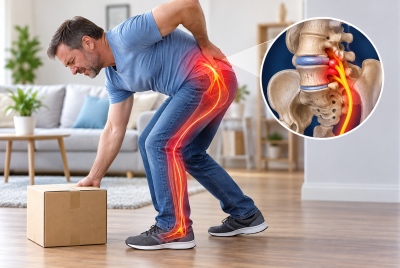
A herniated or bulging disc happens when spinal disc material presses against nearby nerves.
This is one of the leading causes of sciatica in the United States.
Symptoms may include:
- Sharp buttock pain
- Pain shooting down the leg
- Numbness
- Tingling
Many people notice symptoms after:
- Heavy lifting
- Twisting awkwardly
- Sitting too long
- Sports injuries
🪑 Prolonged Sitting & Poor Posture
Long hours at a desk or driving can place pressure on the lower spine and glute muscles.
Poor posture may:
- Tighten muscles around the sciatic nerve
- Increase spinal compression
- Reduce circulation
This is why office workers and truck drivers often experience sciatica buttock pain.
Helpful posture tools:
- Lumbar cushions
- Ergonomic office chairs
- Standing desks
🏋️ Piriformis Syndrome
The piriformis muscle sits deep inside the buttock area.
Sometimes this muscle becomes tight or inflamed and presses against the sciatic nerve.
This condition is called piriformis syndrome.
Common symptoms:
- Deep buttock pain
- Pain when sitting
- Tenderness in the hip area
- Leg tingling
Many athletes and runners experience this problem.
⚠️ Spinal Stenosis
Spinal stenosis occurs when the spinal canal narrows and compresses nerves.
It is more common in older adults.
Symptoms often include:
- Buttock pain while walking
- Leg heaviness
- Tingling
- Weakness
Symptoms may improve temporarily when leaning forward.
🧓 Degenerative Disc Disease
As people age, spinal discs naturally lose flexibility and cushioning.
This wear and tear may irritate nearby nerves and contribute to sciatica symptoms.
Risk factors include:
- Aging
- Smoking
- Obesity
- Sedentary lifestyle
🚨 Muscle Imbalances & Weak Core Muscles
Weak abdominal and glute muscles can increase stress on the lower spine.
Tight hips and hamstrings may also contribute to nerve irritation.
This is one reason physical therapy is often recommended for long-term sciatica relief.
🔥 Symptoms That Often Accompany Sciatica Buttock Pain
Sciatica symptoms vary from person to person.
Some people experience mild discomfort, while others have severe nerve pain.
Common symptoms include:
- Burning buttock pain
- Sharp shooting pain
- Pain down the back of the leg
- Tingling sensations
- Muscle weakness
- Numbness
- Difficulty sitting comfortably
The pain may worsen after:
- Sitting too long
- Driving
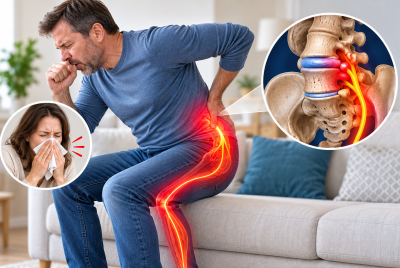
- Sneezing or coughing
- Lifting heavy objects
🪑 Why Sitting Often Makes Sciatica Worse
Many people notice their symptoms become worse while sitting.
This happens because sitting:
- Increases pressure on spinal discs
- Tightens hip muscles
- Compresses the sciatic nerve
Tips to reduce sitting pain:
- Stand up every 30–45 minutes
- Use lumbar support
- Avoid slouching
- Keep both feet flat on the floor
Some U.S. workers find adjustable standing desks helpful for reducing flare-ups.
🌿 Natural Ways To Relieve Sciatica Buttock Pain
If you are wondering what causes sciatica buttock pain, you are probably also searching for relief.
Fortunately, many natural strategies may help reduce discomfort safely.
🧊 Ice Therapy
Ice works best during acute flare-ups.
Benefits:
- Reduces inflammation
- Numbs sharp pain
- Helps calm irritated nerves
Apply ice packs for:
- 15–20 minutes at a time
- Several times daily
🔥 Heat Therapy
Heat may help relax tight muscles after the initial inflammation phase.
Helpful options:
- Heating pads
- Warm baths
- Hot showers
Heat can improve blood flow and reduce stiffness.
🚶 Walking
Gentle walking is often one of the best activities for sciatica recovery.
Walking may help:
- Improve circulation
- Reduce stiffness
- Prevent muscle weakness
Start slowly with short walks on flat surfaces.
🧘 Stretching & Mobility Exercises
Stretching can reduce pressure around the sciatic nerve.
However, aggressive stretching may worsen symptoms.
Focus on gentle movements.
🤸 Best Stretches For Sciatica Buttock Pain
✅ Piriformis Stretch
This stretch targets muscles deep in the buttock area.
How to do it:
- Lie on your back
- Cross one ankle over the opposite knee
- Pull the leg gently toward your chest
- Hold for 20–30 seconds
✅ Knee-To-Chest Stretch
Helps reduce lower back tension.
Benefits:
- Improves flexibility
- Relieves tightness
- Supports spinal mobility
✅ Cat-Cow Stretch
A gentle yoga-based movement that improves spinal motion.
Helpful for:
- Morning stiffness
- Lower back tension
- Mobility improvement
✅ Hamstring Stretch
Tight hamstrings can increase pressure on the lower back.
Stretch gently without bouncing.
🏃 Physical Therapy For Sciatica
Physical therapy is one of the most effective non-surgical treatments for sciatica.
A therapist may help you:
- Improve posture
- Strengthen core muscles
- Reduce nerve pressure
- Correct movement patterns
Common therapy techniques:
- Stretching
- Core strengthening
- Mobility work
- Manual therapy
💊 Supplements Some People Use For Nerve Support
Some people explore supplements for inflammation and nerve health.
Popular options include:
- Magnesium
- Turmeric
- Omega-3 fatty acids
- Vitamin B12
Always consult a healthcare provider before using supplements.
🛏️ Best Sleeping Positions For Sciatica Buttock Pain
Poor sleep posture may worsen symptoms overnight.
Better sleeping positions include:
- Side sleeping with a pillow between the knees
- Back sleeping with a pillow under the knees
Avoid stomach sleeping when possible.
⚡ Lifestyle Changes That May Prevent Future Flare-Ups
Managing sciatica often requires long-term lifestyle improvements.
Helpful habits include:
- Maintaining a healthy weight
- Staying active
- Improving posture
- Taking movement breaks
- Strengthening core muscles
- Avoiding prolonged sitting
Consistency matters more than perfection.
🏥 When To See A Doctor About Sciatica Buttock Pain
Most cases improve naturally within several weeks.
However, certain symptoms require medical evaluation.
🚨 Seek immediate medical care if you experience:
- Loss of bladder or bowel control
- Severe leg weakness
- Sudden numbness in the groin area
- Difficulty walking
- Severe pain after an injury
These may signal a serious nerve condition.
📋 Consider seeing a doctor or chiropractor if:
- Pain lasts longer than 6–8 weeks
- Symptoms keep returning
- Walking becomes difficult
- Home remedies are not helping
- Numbness worsens
Treatment options may include:
- Physical therapy
- Chiropractic care
- Prescription medication
- Steroid injections
- MRI imaging
Surgery is usually reserved for severe or persistent cases.
❓ FAQs About What Causes Sciatica Buttock Pain
1. What causes sciatica buttock pain the most?
The most common causes are herniated discs, tight piriformis muscles, poor posture, and spinal nerve compression.
2. Why does sciatica hurt more when sitting?
Sitting increases pressure on spinal discs and tightens muscles around the sciatic nerve.
3. Can walking help sciatica pain?
Yes. Gentle walking often improves circulation and reduces stiffness without putting excessive strain on the spine.
4. How long does sciatica buttock pain last?
Mild cases may improve within a few weeks, while chronic cases can last several months.
5. Is stretching good for sciatica?
Gentle stretching may help reduce muscle tension and improve mobility. Avoid overstretching painful areas.
6. Can stress make sciatica worse?
Yes. Stress may increase muscle tension and pain sensitivity, which can worsen symptoms.
7. Should I use heat or ice for sciatica?
Ice is usually better during the first 48 hours of pain, while heat may help relax muscles later.
🌟 Final Thoughts: Relief Is Possible With Consistency & Patience
Living with nerve pain can feel exhausting, especially when the discomfort affects your sleep, work, and daily routine.
If you have been wondering what causes sciatica buttock pain, the answer often comes down to nerve irritation caused by spinal problems, tight muscles, posture issues, or lifestyle habits.
The encouraging news is that many people improve naturally with:
- Better posture
- Gentle movement
- Daily stretching
- Physical therapy
- Healthy lifestyle changes
Recovery takes patience, but small daily improvements can lead to major long-term relief.
Stay consistent, listen to your body, and focus on gradual progress instead of overnight results.
⚠️ Disclaimer
This article is for informational and educational purposes only and does not replace professional medical advice, diagnosis, or treatment. Always consult a qualified healthcare provider before beginning any new exercise, supplement, or treatment program for sciatica or nerve pain.
 Explore more:
- How Germans Manage Sciatica Without Medication
- Is Sciatica Treatment In Germany Worth It?
- Sciatica And Office Work In Germany