What Helps With Sciatica Pain? 15 Simple Ways To Find Natural Relief

Sciatica pain is caused by irritation or compression of the sciatic nerve and can often be managed at home with simple, natural, movement-based strategies. Living with sciatica can make everyday life feel much harder than it should. Simple activities like sitting at your desk, driving, grocery shopping, or getting comfortable in bed may suddenly become painful.
Many people describe sciatica as a burning, shooting, or electric-like pain that travels from the lower back into the buttock and down the leg. The discomfort can be frustrating, especially when it keeps returning.
If you’re wondering what helps with sciatica pain, the good news is that many people find relief through simple lifestyle changes, gentle movement, posture improvements, and conservative treatments.
This guide explains practical, realistic ways to manage sciatica naturally and support long-term recovery.
What Helps With Sciatica Pain?
For many people, the most effective approaches include:
- Gentle walking
- Physical therapy exercises
- Good posture
- Heat and ice therapy
- Proper sleeping positions
- Frequent movement breaks
- Core strengthening
- Avoiding prolonged sitting
Consistency often matters more than doing everything perfectly.
🔥 What Helps With Sciatica Pain? Understanding the Cause First
Before discussing relief strategies, it helps to understand why sciatica happens.
Sciatica occurs when the sciatic nerve becomes irritated or compressed. Common causes include:
- Herniated discs
- Spinal stenosis
- Degenerative disc disease
- Piriformis syndrome
- Bone spurs
- Injuries
Because sciatica is caused by nerve irritation, relief usually focuses on reducing pressure and improving movement.
⚡ Common Symptoms of Sciatica
People asking what helps with sciatica pain often experience:
- Sharp pain down one leg
- Lower back pain
- Buttock discomfort
- Tingling sensations
- Burning pain
- Numbness
- Muscle weakness
- Pain that worsens while sitting
Symptoms vary from person to person. Some people experience mild discomfort, while others struggle with severe flare-ups.
🚶 Walking Is One of the Best Things That Helps With Sciatica Pain
Many people assume rest is the answer, but prolonged inactivity may actually make symptoms worse.
Benefits of Walking
Walking may help:
- Improve blood flow
- Reduce stiffness
- Support healing
- Strengthen supporting muscles
- Prevent prolonged pressure on the nerve
Walking Tips
- Start slowly.
- Walk on level surfaces.
- Wear supportive shoes.
- Increase distance gradually.
- Stop if pain becomes severe.
Even short walks throughout the day can help.
🪑 Posture Changes That Help With Sciatica Pain
Poor posture places additional stress on the lower back.
Sitting Tips
1. Keep feet flat on the floor.
2. Avoid slouching.
3. Use lumbar support.
4. Keep knees level with hips.
5. Change positions every 30 minutes.
Helpful Products Many Americans Use
- Memory foam lumbar cushions
- Ergonomic office chairs
- Standing desks
- Seat wedges
- Adjustable laptop stands
Small posture improvements often add up over time.
🌡 Heat and Ice Therapy for Sciatica Relief
One common question is, “What helps with sciatica pain immediately?”
Heat and cold therapy may provide temporary comfort.
Ice Therapy
Ice may help reduce inflammation during early flare-ups.
Apply cold packs for:
- 15 to 20 minutes
- Several times daily
Heat Therapy
Heat helps relax tight muscles and improve circulation.
Options include:
- Heating pads
- Warm showers
- Heated blankets
- Warm baths
Some people alternate heat and ice for additional relief.
🧘 Gentle Stretches That May Help
Certain stretches can reduce tension around the sciatic nerve.
Knee-to-Chest Stretch
Helps loosen the lower back.
Hamstring Stretch
Reduces tightness in the back of the legs.
Piriformis Stretch
Useful when buttock muscles contribute to symptoms.
Pelvic Tilts
Improve spinal support.
Child’s Pose
Promotes relaxation and flexibility.
Important: Stop immediately if stretching causes sharp pain.
💪 Physical Therapy Helps Many People With Sciatica
Physical therapy is one of the most commonly recommended treatments.
A physical therapist may help with:
- Core strengthening
- Posture correction
- Flexibility exercises
- Balance training
- Personalized exercise plans
The goal is to address the root cause instead of simply masking symptoms.
🛏 Sleeping Positions That Help With Sciatica Pain
Poor sleep can make sciatica feel worse.
Side Sleeping
Place a pillow between your knees to maintain alignment.
Back Sleeping
Put a pillow under your knees to reduce pressure.
Avoid Stomach Sleeping
This position may increase strain on the spine.
Helpful Sleep Products
Many U.S. consumers use:
- Orthopedic pillows
- Adjustable beds
- Medium-firm mattresses
- Memory foam mattress toppers
Better sleep often improves recovery.
🌿 Natural Home Remedies That May Help
People searching for what helps with sciatica pain naturally often prefer conservative approaches.
Gentle Activity
Movement usually works better than complete bed rest.
Massage Therapy
May reduce muscle tightness.
Stress Management
Stress can increase pain sensitivity.
Healthy Weight Management
Less weight means less pressure on the spine.
Hydration
Proper hydration supports disc health.
Anti-Inflammatory Foods
Foods that may support overall health include:
- Salmon
- Leafy greens
- Berries
- Olive oil
- Nuts
🏋 Strengthening Your Core Supports the Lower Back
Weak abdominal muscles may contribute to spinal instability.
Helpful exercises may include:
- Pelvic tilts
- Bridges
- Bird dogs
- Modified planks
Strong core muscles help support the spine during daily activities.
🚗 Daily Habits That Can Trigger Sciatica
Sometimes relief comes from avoiding common aggravators.
Long Periods of Sitting
Take movement breaks every 30 to 60 minutes.
Poor Lifting Technique
Lift with your legs instead of your back.
Sudden Twisting
Move slowly and avoid awkward positions.
Heavy Wallets in Back Pockets
This can increase pressure when sitting.
Inactivity
Too much rest may prolong recovery.
🛡 Preventing Future Sciatica Flare-Ups
Prevention is often easier than treating severe pain.
Helpful Habits Include:
- Staying active
- Improving posture
- Stretching regularly
- Maintaining flexibility
- Strengthening the core
- Wearing supportive shoes
- Using proper ergonomics at work
Consistency is one of the most important factors.
🚨 When to See a Doctor or Chiropractor
Most cases improve with conservative treatment, but medical evaluation is important if:
- Pain continues worsening
- Symptoms last several weeks
- Walking becomes difficult
- Weakness develops
- Numbness becomes severe
- Pain follows an injury
Seek Emergency Care Immediately If You Experience:
- Loss of bladder control
- Loss of bowel control
- Sudden severe weakness
- Numbness around the groin area
These symptoms require immediate medical attention.
❓ FAQs: What Helps With Sciatica Pain?
What helps with sciatica pain fast?
Heat, ice, gentle walking, and changing positions frequently may provide temporary relief.
Is walking good for sciatica?
For many people, yes. Gentle walking often helps reduce stiffness and improve circulation.
Should I rest with sciatica?
Short periods of rest may help, but prolonged bed rest is usually not recommended.
Does sitting make sciatica worse?
Yes. Sitting for long periods can increase pressure on the sciatic nerve.
Which sleeping position is best for sciatica?
Side sleeping with a pillow between the knees or back sleeping with a pillow under the knees often helps.
Can stretching cure sciatica?
Stretching alone does not cure sciatica, but it may help relieve tension and improve flexibility.
Will sciatica eventually go away?
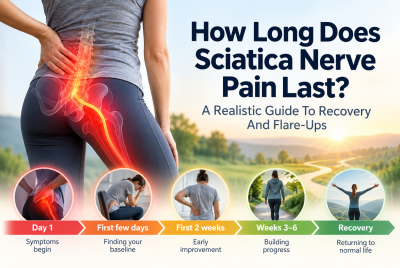
Many cases improve within weeks or months with conservative treatment and healthy habits.
✅ Final Thoughts
If you’ve been wondering what helps with sciatica pain, remember that recovery is usually a gradual process.
Simple habits like walking regularly, improving posture, strengthening your core, and avoiding long periods of sitting can make a meaningful difference over time.
You don’t have to do everything perfectly. Focus on small improvements, stay consistent, and give your body time to heal.
Many people living with sciatica find relief through patience, movement, and smart daily choices.
Medical Disclaimer: This article is for educational purposes only and should not replace professional medical advice, diagnosis, or treatment. Always consult your physician, physical therapist, chiropractor, or other qualified healthcare provider regarding any medical concerns. Seek immediate medical attention for severe symptoms or emergencies.
Explore more:
- Sciatica Pain Relief Medicine
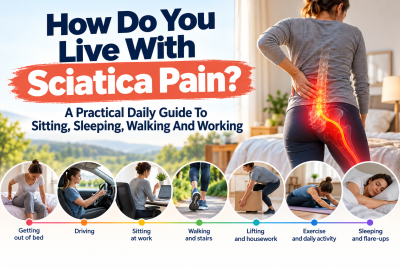
- How Do You Live With Sciatica Pain?
- When Should I See A Doctor For Sciatica?