Hidden Sciatica Triggers Most People Ignore (And How To Avoid Them Naturally)

Sciatica pain can feel confusing and unpredictable. Some days your back and leg feel manageable — then suddenly, pain shoots down your hip after sitting too long, carrying groceries, or even sleeping the wrong way.
Many people focus only on major causes like herniated discs or injuries. But the truth is, some of the biggest problems come from hidden sciatica triggers most people ignore every single day.
Small habits, poor posture, muscle tightness, stress, and even certain sitting positions can slowly irritate the sciatic nerve without you realizing it. Over time, these hidden triggers may keep inflammation active and make recovery feel impossible.
The encouraging news? Once you recognize these overlooked triggers, you can start making realistic, pain-friendly changes that may help calm your sciatic nerve naturally.
Quick Answer
Hidden sciatica triggers most people ignore include prolonged sitting, poor posture, tight hip muscles, sleeping positions, stress, dehydration, weak core muscles, improper lifting, long driving sessions, and inactivity. These daily habits can increase pressure on the sciatic nerve and worsen pain over time. Gentle movement, stretching, posture support, and lifestyle adjustments may help reduce flare-ups naturally.
🔥 Hidden Sciatica Triggers Most People Ignore Every Day
Sciatica happens when the sciatic nerve becomes irritated, compressed, or inflamed. The pain often starts in the lower back or buttocks and may travel down the leg.
While many people blame only spinal problems, hidden sciatica triggers most people ignore are often tied to daily routines.
Common symptoms include:
- Sharp leg pain
- Burning sensations
- Tingling or numbness
- Hip discomfort
- Lower back tightness
- Pain while sitting
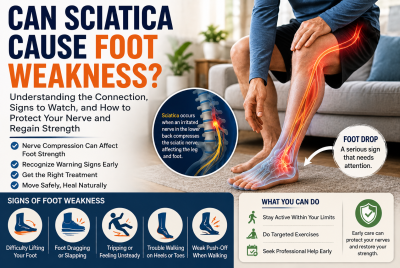
- Weakness in the leg
Even small repeated habits can quietly aggravate the nerve.
Common Hidden Sciatica Triggers
- Sitting too long
- Poor posture
- Weak core muscles
- Tight hamstrings
- Stress and tension
- Sleeping incorrectly
- Long drives
- Heavy lifting
- Lack of movement
- Unsupportive shoes
Recognizing these triggers is often the first step toward meaningful relief.
🪑 Sitting Too Long Is One Of The Biggest Hidden Sciatica Triggers
One of the most overlooked hidden sciatica triggers most people ignore is prolonged sitting.
Sitting increases pressure on the lower spine and hips, especially when posture is poor. This pressure may irritate the sciatic nerve and tighten surrounding muscles.
Many Americans sit for hours during:
- Office work
- Driving
- Watching TV
- Gaming
- Traveling
- Working on laptops
Signs Sitting May Be Triggering Your Sciatica
- Pain worsens after 20–30 minutes
- Tingling in the foot while sitting
- Burning pain during car rides
- Relief when standing or walking
- Tight hips after desk work
Pain-Friendly Sitting Tips
- Use a lumbar support cushion
- Keep both feet flat on the floor
- Avoid slouching
- Stand every 30–45 minutes
- Consider a standing desk
- Sit with hips slightly above knees
Many people find ergonomic office chairs and memory foam lumbar cushions helpful for reducing lower-back strain.
🚗 Long Drives Quietly Aggravate The Sciatic Nerve
Driving combines several hidden sciatica triggers at once:
- Prolonged sitting
- Tight hip flexors
- Road vibration
- Poor posture
- Reduced movement
Even short daily commutes can slowly aggravate symptoms.
How To Make Driving More Comfortable
Adjust Your Seat Properly
- Sit close enough to avoid reaching
- Slightly recline the seat
- Keep knees lower than hips
Use Supportive Accessories
Helpful options include:
- Lumbar cushions
- Orthopedic seat wedges
- Heated seat pads
- Portable lower-back supports
Take Breaks On Longer Trips
Walking for even 2–5 minutes every hour may help reduce stiffness and nerve pressure.
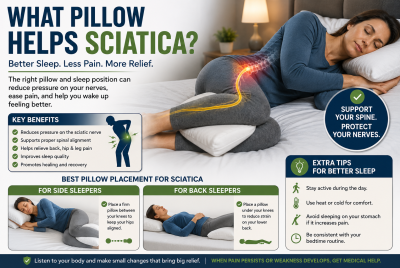
💤 Sleeping Positions Many People Ignore
Nighttime is often when sciatica feels worse.
Many people unknowingly sleep in positions that twist the spine or tighten the hips.
Sleeping Habits That May Aggravate Sciatica
- Sleeping on the stomach
- Using old mattresses
- Sleeping without knee support
- Twisting during sleep
- Using flat pillows
Better Sleep Positions For Sciatica
Side Sleeping With A Pillow Between The Knees
This helps keep the hips aligned.
Back Sleeping With A Pillow Under The Knees
This may reduce pressure on the lower spine.
Medium-Firm Mattress Support
A supportive mattress often helps reduce lower-back strain better than overly soft beds.
Some people also benefit from mattress toppers designed for pressure relief.
🧘 Tight Muscles Are Hidden Sciatica Triggers Most People Ignore
Tight muscles around the hips and pelvis can place pressure on the sciatic nerve.
The piriformis muscle is especially important because it sits close to the sciatic nerve.
When this muscle becomes tight or inflamed, symptoms may worsen.
Muscles Commonly Linked To Sciatica
- Piriformis
- Hamstrings
- Hip flexors
- Glutes
- Lower back muscles
Gentle Stretches That May Help
Knee-To-Chest Stretch
Helps loosen the lower back gently.
Piriformis Stretch
May reduce pressure around the sciatic nerve.
Cat-Cow Stretch
Improves spinal mobility.
Seated Hamstring Stretch
Can reduce tension pulling on the pelvis.
Avoid aggressive stretching during severe flare-ups.
⚠️ Poor Posture Can Quietly Worsen Sciatica
Poor posture may not cause immediate pain, but over time it can create extra pressure on the spine and sciatic nerve.
This is especially common during:
- Computer work
- Smartphone use
- Couch sitting
- Standing unevenly
- Leaning forward repeatedly
Posture Habits That May Help
- Keep shoulders relaxed
- Sit upright without stiffness
- Avoid leaning forward constantly
- Support the lower back
- Keep screens at eye level
Small posture improvements repeated daily can make a surprisingly big difference.
🚶 Too Much Rest Can Make Sciatica Worse
Many people think complete rest is the best solution for nerve pain. In reality, too much inactivity may worsen stiffness and muscle weakness.
Extended bed rest can lead to:
- Tight muscles
- Weak core strength
- Poor circulation
- Increased stiffness
- Reduced spinal support
Gentle Activities Often Recommended
- Walking
- Swimming
- Water aerobics
- Gentle yoga
- Stationary cycling
Walking is one of the easiest and most effective ways to stay mobile without excessive strain.
Even 10–15 minutes a few times daily may help.
😟 Stress Is One Of The Hidden Sciatica Triggers Most People Ignore
Stress affects more than emotions. It can also increase physical pain.
When stress levels rise, muscles tend to tighten automatically — especially around the neck, hips, and lower back.
This may increase sciatic nerve irritation.
Stress-Related Sciatica Symptoms
- Increased muscle tension
- Poor sleep
- Heightened pain sensitivity
- More frequent flare-ups
- Tight hips and lower back
Natural Stress-Relief Strategies
- Deep breathing
- Gentle stretching
- Meditation
- Warm baths
- Walking outdoors
- Heat therapy
Reducing stress may help calm both the nervous system and surrounding muscles.
⚖️ Extra Weight And Weak Core Muscles
Excess body weight can increase pressure on the lower spine and pelvis.
Weak abdominal and core muscles may also reduce spinal support, placing more strain on the back.
Pain-Friendly Lifestyle Habits
- Daily walking
- Gentle strength exercises
- Anti-inflammatory foods
- Staying hydrated
- Better sleep habits
Small, consistent habits usually work better than extreme fitness programs.
🌿 Natural Relief Methods For Sciatica
There is no single cure for sciatica, but many people improve through consistent daily habits.
Popular Natural Relief Strategies
Heat And Ice Therapy
- Ice may help reduce inflammation
- Heat may relax tight muscles
Supportive Products
Many Americans use:
- Lumbar pillows
- Standing desks
- Back braces
- Orthopedic cushions
- Compression supports
Physical Therapy
A physical therapist can teach exercises designed to improve flexibility and strengthen the core safely.
Anti-Inflammatory Supplements
Some people explore:
- Magnesium
- Omega-3 fish oil
- Turmeric
- Vitamin B12
Always speak with a healthcare provider before starting supplements.
🩺 When To See A Doctor About Sciatica
Mild sciatica often improves gradually with self-care and lifestyle changes. However, some symptoms require medical attention.
See a doctor, chiropractor, or spine specialist if you experience:
- Severe weakness in the leg
- Loss of bladder or bowel control
- Sudden numbness in the groin area
- Pain after a serious injury
- Difficulty walking
- Symptoms lasting several weeks
- Progressive worsening pain
A healthcare provider may recommend imaging, physical therapy, medications, or additional treatments depending on the cause.
❓ FAQs About Hidden Sciatica Triggers Most People Ignore
What is the most common hidden trigger for sciatica?
Prolonged sitting is one of the most common hidden sciatica triggers because it increases pressure on the lower spine and hips.
Can dehydration worsen sciatica?
Dehydration may contribute to muscle tightness and spinal disc problems, which can worsen sciatic pain in some people.
Why does sciatica feel worse at night?
Sciatica may worsen at night because of sleeping positions, inflammation, poor mattress support, or reduced movement during sleep.
Can stress trigger sciatica flare-ups?
Yes. Stress can tighten muscles and increase pain sensitivity, which may aggravate sciatic nerve irritation.
Does walking help sciatica?
Gentle walking often helps improve circulation and reduce stiffness, though excessive walking during flare-ups may temporarily increase discomfort.
Can tight hips cause sciatica symptoms?
Yes. Tight hip and piriformis muscles may place pressure on the sciatic nerve and worsen symptoms.
Is complete bed rest good for sciatica?
Usually not. Too much inactivity may increase stiffness and weaken muscles that support the spine.
🌟 Final Thoughts
Hidden sciatica triggers most people ignore are often part of everyday life. Sitting too long, poor posture, stress, weak muscles, tight hips, and lack of movement can quietly keep the sciatic nerve irritated for weeks or months.
The good news is that small daily improvements can add up over time.
Focus on:
- Gentle movement
- Better posture
- Smart sitting habits
- Consistent stretching
- Stress management
- Supportive sleep positions
- Patience during recovery
Sciatica recovery is rarely about one perfect solution. It is usually about reducing irritation little by little while helping your body heal naturally.
Stay consistent, listen to your body, and celebrate progress — even small wins matter.
Disclaimer: This article is for informational purposes only and does not replace professional medical advice, diagnosis, or treatment. Always consult a qualified healthcare provider regarding persistent pain or medical concerns.
 Explore more:
- What Causes Sciatica Buttock Pain?
- Best Sleeping Positions For Sciatica (Germany Guide)
- How Long Will Sciatica Take To Heal?