Can Sciatica Cause Groin Pain? What It May Mean And How To Find Relief

Living with sciatica can be frustrating enough when pain shoots down your leg—but it becomes even more confusing when you start feeling discomfort in your groin. You may wonder whether it’s still sciatica, a pulled muscle, or something more serious. The good news is that you’re not alone. Many people ask, Can sciatica cause groin pain? While classic sciatica usually affects the lower back, buttock, and leg, certain nerve problems and related conditions can also cause pain that spreads toward the groin.
Understanding what’s causing your pain is the first step toward finding relief. In this guide, you’ll learn why groin pain sometimes happens with sciatica, what symptoms to watch for, and practical, natural ways to manage discomfort so you can move more comfortably every day.
⭐ Quick Answer: Can Sciatica Cause Groin Pain
Yes—but it’s less common than pain traveling down the leg. Irritation of certain lumbar nerve roots, nearby muscles, or conditions that mimic sciatica can cause pain that extends into the groin. Because groin pain has many possible causes, it’s important to have persistent or severe symptoms evaluated by a healthcare professional.
Key Takeaways
Most likely cause: Irritation of the upper lumbar nerve roots, tight hip muscles, or another condition that mimics sciatica may cause pain that radiates into the groin.
Usually serious? No. In most cases, can sciatica cause groin pain is related to nerve or muscle irritation, but persistent, severe, or unexplained groin pain should be assessed by a healthcare professional.
First thing to check: Notice where the pain starts, whether it travels from your lower back or buttock, and if you also have numbness, tingling, or weakness in your leg.
Best solution: Get an accurate diagnosis to rule out other causes, then follow a treatment plan that may include gentle movement, stretching, posture improvements, and other conservative measures recommended by your healthcare provider.
🔍 What Is Sciatica And How Does It Affect The Body?
Sciatica is not actually a condition itself—it’s a symptom caused by irritation or compression of the sciatic nerve or the nerve roots that form it.
The sciatic nerve is the largest nerve in the body. It begins in the lower spine and travels through the:
- Lower Back
- Buttocks
- Hips
- Back Of The Thigh
- Calf
- Foot
Most people experience:
- Sharp or burning pain
- Tingling
- Numbness
- Muscle weakness
- Electric shock-like sensations
Because nerves overlap and connect with many muscles and joints, can sciatica cause groin pain becomes a reasonable question for anyone experiencing pain outside the typical pattern.
🧠 Can Sciatica Cause Groin Pain?
In some cases, yes.
Typical sciatica mainly affects the back of the leg. However, irritation involving the upper lumbar nerves (particularly L1-L3), muscle tightness around the hip, or other spinal conditions may produce pain that seems to involve the groin.
Several situations may explain this:
Lumbar Disc Problems
A bulging or herniated disc higher in the lumbar spine can irritate nerves supplying areas closer to the groin instead of the lower leg.
Muscle Compensation
When sciatica changes the way you walk, muscles around the hips, pelvis, and groin often work harder than normal. Over time, this compensation can lead to soreness and tightness.
Hip Joint Problems
Hip arthritis, hip impingement, or labral tears can closely resemble sciatica and often produce groin pain.
Sacroiliac (SI) Joint Dysfunction
Inflammation around the SI joint may cause pain that spreads into the buttock, groin, and upper thigh.
Piriformis Syndrome
A tight piriformis muscle can irritate the sciatic nerve while also creating tension around nearby hip muscles that refer pain toward the groin.
⚠️ Symptoms That May Occur Together
If can sciatica cause groin pain describes your situation, you may notice several symptoms occurring at the same time.
Common combinations include:
- Pain in the lower back
- Buttock discomfort
- Groin aching
- Pain down one leg
- Tingling in the foot
- Numbness
- Muscle weakness
- Hip stiffness
- Pain while walking
- Difficulty standing after sitting
Pain may worsen during:
- Long car rides
- Sitting at a desk
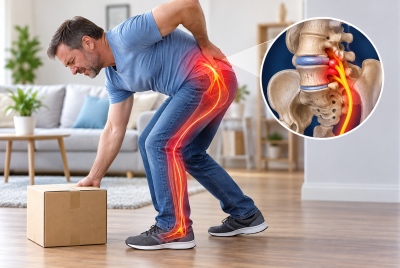
- Lifting objects
- Twisting movements
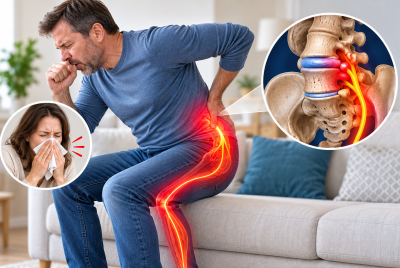
- Coughing or sneezing
- Sleeping in certain positions
🏡 Natural Ways To Relieve Sciatica And Groin Pain
Although every person’s situation is different, many people improve with conservative care.
Gentle Walking
Walking helps improve blood flow, reduce stiffness, and keep nerves moving normally.
Aim for:
- 10–20 minutes
- Flat surfaces
- Comfortable pace
- Frequent short walks rather than one long session
Stretch Tight Hip Muscles
Gentle stretching may reduce tension affecting nearby nerves.
Helpful stretches include:
- Hip Flexor Stretch
- Piriformis Stretch
- Figure Four Stretch
- Hamstring Stretch
- Cat-Cow Stretch
Never force a stretch that increases sharp nerve pain.
Improve Sitting Posture
Poor posture often increases pressure on irritated spinal nerves.
Helpful changes include:
- ✔ Sit with both feet flat
- ✔ Keep knees level with hips
- ✔ Support the lower back using a lumbar cushion
- ✔ Stand every 30–45 minutes
Many U.S. office workers find adjustable standing desks helpful for reducing prolonged sitting.
Apply Heat Or Ice
Both options may help.
Ice often works best:
- During flare-ups
- After activity
- For inflammation
Heat may help:
- Muscle tightness
- Morning stiffness
- Chronic discomfort
Many people alternate both.
Sleep In A Pain-Friendly Position
Sleep can greatly influence nerve irritation.
Try:
- Pillow between the knees (side sleepers)
- Pillow beneath knees (back sleepers)
- Medium-firm mattress
- Avoid stomach sleeping when possible
💪 Physical Therapy Options
A physical therapist can identify movement problems contributing to both sciatica and groin discomfort.
Treatment may include:
- Core strengthening
- Hip stabilization exercises
- Nerve gliding exercises
- Pelvic alignment work
- Walking assessment
- Balance training
- Flexibility exercises
Therapy often focuses on correcting movement patterns instead of simply treating pain.
🌿 Everyday Lifestyle Changes That May Help
Small habits often produce meaningful improvements over time.
Stay Active
Complete bed rest is rarely recommended for uncomplicated sciatica.
Gentle movement usually helps recovery.
Maintain A Healthy Weight
Extra body weight increases stress on the lower back and hips.
Even modest weight loss may reduce pressure on irritated nerves.
Lift Properly
Instead of bending at the waist:
- Bend the knees
- Keep objects close
- Tighten your core
- Avoid twisting while lifting
Support Overall Nerve Health
Some people discuss supplements with their healthcare provider, including:
- Vitamin B12 (if deficient)
- Vitamin D (if deficient)
- Magnesium
- Omega-3 fatty acids
These are not cures but may support overall nerve and muscle health when appropriate.
Reduce Long Sitting Sessions
Set a timer every 30 minutes to:
- Stand
- Stretch
- Walk briefly
- Reset posture
These small movement breaks may reduce stiffness throughout the day.
🪑 Helpful Products That May Improve Comfort
Many U.S. readers find these products useful alongside exercise and medical advice:
- Ergonomic lumbar cushions
- Standing desks
- Seat wedges
- Adjustable office chairs
- Heating pads
- Reusable cold packs
- Foam rollers (used carefully)
- Supportive walking shoes
- Back braces for short-term support during certain activities
Products work best when combined with movement, exercise, and good posture—not as standalone solutions.
🚨 When Groin Pain May Not Be Sciatica
Although can sciatica cause groin pain is a common question, groin pain may also come from entirely different conditions.
Possible causes include:
- Hip arthritis
- Kidney stones
- Hernias
- Muscle strains
- Urinary tract problems
- Pelvic conditions
- Sports injuries
- Hip labral tears
This is why an accurate diagnosis is important, especially if symptoms don’t improve.
🩺 When To See A Doctor Or Chiropractor
Seek medical evaluation if:
- Pain lasts longer than several weeks despite self-care.
- Groin pain is severe or worsening.
- You develop significant leg weakness.
- Walking becomes increasingly difficult.
- Pain follows a fall or accident.
- Symptoms interfere with sleep every night.
- Home treatments provide little or no relief.
Seek emergency medical care immediately if you develop new loss of bladder or bowel control, numbness in the saddle area (around the groin and inner thighs), or rapidly worsening weakness, as these symptoms require urgent evaluation.
❓ Frequently Asked Questions
1. Can sciatica cause groin pain without leg pain?
Yes. Although uncommon, irritation of certain upper lumbar nerves or related structures can sometimes cause groin discomfort without classic pain traveling down the leg.
2. Is groin pain a common symptom of sciatica?
No. Most people experience pain in the buttock, thigh, calf, or foot. Groin pain is less common and may point to another condition that should be evaluated.
3. Can a herniated disc cause groin pain?
Yes. Depending on which spinal level is affected, a herniated disc may irritate nerves that contribute to groin pain.
4. What stretch helps sciatica and groin pain?
Gentle hip flexor, piriformis, hamstring, and figure-four stretches may help reduce muscle tension. Stop any stretch that worsens nerve pain.
5. Should I walk if sciatica causes groin pain?
For many people, gentle walking helps reduce stiffness and improve circulation. Start slowly and avoid pushing through severe pain.
6. Can hip problems feel like sciatica?
Absolutely. Hip arthritis, labral tears, and hip impingement can all produce symptoms that resemble sciatica, including groin pain.
7. How long does sciatica-related groin pain last?
Recovery varies depending on the cause. Mild nerve irritation may improve within a few weeks, while more significant nerve compression or underlying conditions may require longer treatment and professional care.
🎯 Final Thoughts
If you’ve been asking, Can sciatica cause groin pain?, the answer is yes—but it’s not the most common presentation. Because the lower back, hips, pelvis, and nerves work together, pain can sometimes appear in unexpected places.
The encouraging news is that many people improve through a combination of gentle movement, posture changes, targeted stretching, physical therapy, and healthy daily habits. Consistency matters more than quick fixes. Small improvements repeated every day often lead to meaningful progress over time.
If your pain continues, becomes more severe, or is accompanied by weakness or other concerning symptoms, don’t hesitate to seek a professional evaluation. Getting the right diagnosis is one of the most important steps toward lasting relief.
Medical Disclaimer: This article is for educational and informational purposes only and is not intended to diagnose, treat, cure, or prevent any medical condition. Always consult your physician or another qualified healthcare professional for personalized medical advice, especially if your symptoms are severe, persistent, or worsening. Never ignore professional medical advice or delay seeking care because of something you have read online.
 Explore more:
- Best Physiotherapists For Sciatica In Berlin
- Cost Of Sciatica Treatment In Germany
- Can Sciatica Cause Numb Toes?