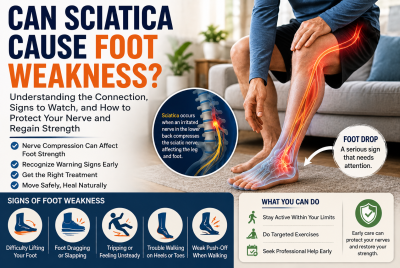
Can Sciatica Cause Numb Toes? What It Means And How To Find Relief

Living with sciatica can make everyday activities feel like a challenge. One day it’s a sharp pain shooting down your leg, and the next you notice your toes feel numb, tingly, or “asleep.” That strange sensation can be unsettling, leaving you wondering if your sciatica is getting worse or if something else is going on.
If you’ve been asking, Can sciatica cause numb toes? you’re not alone. Numbness in the toes is actually a fairly common symptom when the sciatic nerve or the nerves that form it become irritated or compressed.
The good news is that many cases improve with the right combination of movement, posture changes, physical therapy, and consistent self-care. In this guide, you’ll learn why toe numbness happens, what symptoms to watch for, and practical strategies that may help you feel more comfortable throughout your day.
⭐ Quick Answer
Yes. Sciatica can cause numbness, tingling, or reduced sensation in one or more toes when irritated spinal nerve roots affect the nerves that travel into the foot. The exact location of numbness often depends on which nerve root is involved. Persistent numbness or weakness should be evaluated by a healthcare professional.
🧠 What Is Sciatica?
Sciatica is a collection of symptoms caused by irritation or compression of the sciatic nerve or the lumbar nerve roots that eventually form it.
The sciatic nerve begins in the lower spine and travels through the:
- Lower Back
- Buttocks
- Back Of The Thigh
- Calf
- Foot
- Toes
Because this nerve reaches the foot, it’s easy to understand why can sciatica cause numb toes is such a common question.
When nerve signals become disrupted, the brain may interpret that interruption as numbness, tingling, burning, or weakness rather than normal sensation.
👣 Can Sciatica Cause Numb Toes?
Yes.
Toe numbness is one of the classic symptoms of sciatica, especially when nerve compression affects the lower lumbar spine.
Depending on which nerve root is irritated, you may experience:
- Numbness in the big toe
- Tingling between the toes
- Burning sensations
- Pins and needles
- Reduced feeling while walking
- Difficulty moving certain toes
For example:
- L4-L5 nerve involvement often affects the big toe.
- L5-S1 nerve involvement may affect the outer foot or little toe.
Only a medical examination and, when needed, imaging or nerve testing can determine the exact cause.
⚠️ Why Does Sciatica Cause Toe Numbness?
Nerves carry messages between your brain and your feet.
When a spinal nerve becomes compressed, those messages may become interrupted.
Common causes include:
Herniated Disc
A bulging or herniated lumbar disc is the most common cause of sciatica.
The disc presses on nearby nerve roots, causing pain and numbness that may travel into the toes.
Spinal Stenosis
Age-related narrowing of the spinal canal can place pressure on nerves supplying the legs and feet.
Degenerative Disc Disease
As spinal discs lose height over time, nerve roots may become irritated.
Piriformis Syndrome
A tight piriformis muscle can compress the sciatic nerve, leading to pain, tingling, and numbness further down the leg.
Spondylolisthesis
When one vertebra slips forward over another, nerve roots may become compressed.
🔍 Common Symptoms Along With Toe Numbness
Many people experience more than numb toes.
Symptoms may include:
- Shooting pain down one leg
- Lower back pain
- Buttock pain
- Tingling in the calf
- Burning foot pain
- Muscle weakness
- Leg heaviness
- Difficulty standing after sitting
- Foot that feels “asleep”
- Reduced balance
Symptoms often worsen during:
- Long car rides
- Sitting for extended periods
- Heavy lifting
- Twisting
- Coughing or sneezing
🏡 Natural Ways To Relieve Sciatica And Toe Numbness
Many people recover gradually with conservative treatment.
Walk Regularly
Walking encourages circulation and keeps nerves moving naturally.
Aim for:
- 10–20 minutes
- Comfortable pace
- Flat surfaces
- Multiple short walks each day
Avoid pushing through severe pain.
Stretch Tight Muscles
Gentle stretching may reduce pressure around irritated nerves.
Helpful stretches include:
- Piriformis Stretch
- Figure Four Stretch
- Hamstring Stretch
- Hip Flexor Stretch
- Cat-Cow Stretch
Stop immediately if stretching increases numbness or sharp pain.
Improve Sitting Posture
Poor posture increases pressure on the lumbar spine.
Helpful tips:
- ✔ Sit upright
- ✔ Support your lower back with a lumbar cushion
- ✔ Keep both feet flat
- ✔ Avoid crossing your legs
- ✔ Stand every 30–45 minutes
Many Americans who work from home benefit from adjustable standing desks.
Use Heat Or Ice
Both can help depending on your symptoms.
Ice may help:
- New flare-ups
- Inflammation
- Sharp pain
Heat may help:
- Tight muscles
- Morning stiffness
- Chronic discomfort
Some people alternate between both.
Wear Supportive Shoes
Unsupportive footwear may worsen walking mechanics.
Look for shoes with:
- Good arch support
- Cushioned soles
- Stable heel support
- Wide toe box if needed
Avoid worn-out shoes that increase stress on your back and hips.
💪 Physical Therapy For Sciatica
Physical therapy is often one of the most effective conservative treatments.
A therapist may recommend:
- Core strengthening
- Hip stabilization exercises
- Nerve gliding exercises
- Balance training
- Flexibility work
- Walking assessment
- Posture correction
These exercises aim to improve movement and reduce pressure on irritated nerves over time.
🌿 Lifestyle Changes That May Help Prevent Future Flare-Ups
Healthy habits often play a major role in long-term recovery.
Stay Active
Extended bed rest is rarely recommended.
Gentle daily movement helps keep joints and nerves healthy.
Maintain A Healthy Weight
Extra weight places additional stress on the spine.
Even small weight loss may reduce pressure on compressed nerves.
Lift Properly
Protect your back by:
- Bending your knees
- Keeping objects close
- Tightening your core
- Avoiding twisting while lifting
Support Nerve Health
Ask your healthcare provider whether supplements are appropriate, such as:
- Vitamin B12 (if deficient)
- Vitamin D (if deficient)
- Magnesium
- Omega-3 fatty acids
These may support nerve and muscle health but should not replace medical treatment.
Reduce Long Sitting Sessions
Set reminders every 30 minutes to:
- Stand
- Stretch
- Walk briefly
- Reset posture
Small movement breaks can significantly reduce stiffness.
🪑 Helpful Products That May Improve Comfort
Many U.S. readers find these products useful alongside exercise and professional guidance:
- Ergonomic lumbar cushions
- Standing desks
- Adjustable office chairs
- Seat wedges
- Heating pads
- Reusable ice packs
- Foam rollers (used gently)
- Supportive walking shoes
- Temporary back braces during certain activities
Remember that products work best when combined with movement and rehabilitation.
🚨 When Toe Numbness May Not Be Sciatica
Although can sciatica cause numb toes is a common question, numb toes can also result from other medical conditions.
Possible causes include:
- Peripheral neuropathy
- Diabetes
- Vitamin B12 deficiency
- Poor circulation
- Morton’s neuroma
- Tarsal tunnel syndrome
- Multiple sclerosis
- Foot injuries
If numbness develops suddenly, affects both feet, or continues worsening, seek medical evaluation.
🩺 When To See A Doctor Or Chiropractor
Seek professional care if:
- Numbness lasts more than several weeks.
- Symptoms continue despite home treatment.
- Walking becomes difficult.
- You notice increasing leg or foot weakness.
- Pain interferes with sleep.
- Symptoms return frequently.
Seek emergency medical care immediately if you experience loss of bladder or bowel control, numbness in the saddle area (around the groin and inner thighs), or rapidly worsening weakness in the leg or foot.
❓ Frequently Asked Questions
1. Can sciatica cause numb toes without severe pain?
Yes. Some people experience numbness or tingling more than pain, especially if nerve compression affects sensory fibers.
2. Which toes are usually affected by sciatica?
The big toe, little toe, or outer toes are commonly affected depending on which lumbar nerve root is irritated.
3. Can toe numbness from sciatica go away?
Yes. Many cases improve as inflammation decreases and pressure on the nerve is relieved through conservative treatment.
4. Does walking help numb toes caused by sciatica?
For many people, gentle walking improves circulation and reduces stiffness. Avoid activities that significantly increase pain.
5. Can a herniated disc cause numb toes?
Yes. A lumbar herniated disc is one of the most common causes of sciatica-related toe numbness.
6. Should I massage numb toes?
Gentle foot massage may improve circulation and temporarily relieve discomfort, but it will not address nerve compression in the spine.
7. Is toe numbness from sciatica permanent?
Usually not. Many people recover with appropriate treatment, although long-standing nerve compression may take longer to improve. Early evaluation can help reduce the risk of lasting nerve damage.
📌 Final Thoughts
If you’ve been wondering, Can sciatica cause numb toes?, the answer is yes. Toe numbness is a common sign that irritated spinal nerves are affecting the foot. While it can be concerning, many people find meaningful relief through consistent self-care, improved posture, regular walking, targeted stretching, and physical therapy.
Recovery often takes time, and healing nerves don’t always improve overnight. Focus on small daily habits, stay active within your comfort level, and don’t ignore symptoms that worsen or persist. With patience, consistency, and the right care plan, many people are able to reduce pain, improve sensation, and return to their normal daily activities.
Medical Disclaimer: This article is for informational and educational purposes only and should not be considered medical advice. It is not intended to diagnose, treat, cure, or prevent any medical condition. Always consult your physician or another qualified healthcare professional regarding persistent numbness, severe pain, or any concerning symptoms. Seek immediate emergency medical care if you experience loss of bladder or bowel control, numbness in the saddle area, or rapidly worsening leg weakness.
 Explore more:
- Best Physiotherapists For Sciatica In Berlin
- What Should I Avoid Doing With Sciatica?
- How To See A Sciatica Specialist In Germany?