How To Release Sciatic Nerve Pain: Proven, Natural Ways To Find Lasting Relief

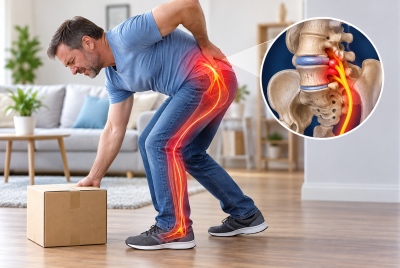
Sciatic nerve pain can feel relentless. One moment you’re managing fine, and the next you’re dealing with sharp, burning pain shooting from your lower back through your hip and down your leg. Sitting becomes uncomfortable. Walking feels uneven. Sleep is disrupted. If you’re searching for how to release sciatic nerve pain, you’re likely looking for real solutions—not temporary fixes that only mask symptoms.
The good news is that most sciatic nerve pain can be released naturally by reducing pressure on the nerve, calming inflammation, and restoring healthy movement patterns. This guide explains exactly why sciatica happens and walks you through safe, science-backed ways to release sciatic nerve pain and prevent it from coming back.
⚡ What Causes Sciatic Nerve Pain In The First Place?
Sciatic nerve pain—commonly called sciatica—occurs when the sciatic nerve becomes irritated or compressed. The sciatic nerve is the longest nerve in the body, running from the lower spine through the hips, glutes, and down each leg.
Common Causes Of Sciatic Nerve Compression
-
Herniated or bulging discs
-
Tight piriformis or glute muscles
-
Spinal stenosis or degeneration
-
Poor posture and prolonged sitting
-
Muscle imbalances or weak core support
Understanding the cause is critical, because learning how to release sciatic nerve pain means addressing pressure—not forcing stretches or pushing through pain.
🧠 Why Rest Alone Rarely Releases Sciatic Nerve Pain
When pain flares, many people instinctively stop moving. While short rest can help during acute flare-ups, too much rest often makes sciatic pain worse.
Why Prolonged Rest Can Backfire
-
Muscles tighten and shorten
-
Blood flow to the nerve decreases
-
Inflammation lingers longer
-
The spine loses supportive strength
Instead of avoiding movement entirely, the goal is gentle, controlled motion that helps the nerve relax and glide naturally.
🧘♀️ How To Release Sciatic Nerve Pain With Gentle Movement
Movement helps create space around the nerve and improves circulation—two essentials for pain relief.
Best Daily Movements For Sciatic Relief
-
Short, frequent walks on flat ground
-
Pelvic tilts to ease lower-back tension
-
Gentle nerve glides to improve nerve mobility
These movements encourage the nerve to move freely instead of staying compressed.
🌿 The Most Effective Stretches To Release Sciatic Nerve Pain
Stretching works when it reduces surrounding muscle tension—not when it aggressively pulls the nerve.
🧘♀️ Piriformis Stretch (Figure-4 Stretch)
The piriformis muscle commonly compresses the sciatic nerve.
Why It Helps
-
Releases glute tension
-
Reduces nerve irritation
Hold 20–30 seconds, 2–3 times per side.
🌱 Seated Sciatic Nerve Glide
This stretch focuses on nerve mobility instead of muscle length.
Why It Helps
-
Improves nerve tolerance to movement
-
Reduces stiffness without overstretching
Perform 8–10 slow reps per side.
🪑 Knee-To-Chest Stretch
This stretch gently opens space in the lower spine.
Why It Helps
-
Reduces disc-related pressure
-
Calms lower-back tension
Hold 15–20 seconds, alternating sides.
🚫 Stretches That Can Make Sciatic Pain Worse
Not all stretches are helpful—some increase nerve tension.
Avoid These When Pain Is Active
-
Toe-touch stretches
-
Aggressive hamstring stretching
-
Deep spinal twists
-
Bouncing or forced stretches
If pain shoots down the leg, stop immediately.
💪 Strengthening Muscles To Keep Sciatic Pain Released
Once pain begins to ease, strengthening is essential to prevent recurrence.
Why Strength Matters
Weak muscles allow poor posture and movement patterns that re-compress the nerve.
Key Areas To Strengthen
-
Core muscles for spinal stability
-
Glutes to reduce lower-back strain
-
Hip stabilizers for balanced movement
Examples include:
-
Glute bridges
-
Bird dogs
-
Side-lying leg lifts
Strength supports long-term nerve health.
🪑 Posture Fixes That Release Sciatic Nerve Pressure Daily
Poor posture is one of the most overlooked contributors to sciatic pain.
Sitting Posture Tips
-
Use a lumbar support cushion
-
Keep feet flat on the floor
-
Avoid crossing legs for long periods
Workstation Improvements
-
Alternate between sitting and standing
-
Keep screens at eye level
-
Take breaks every 30–45 minutes
Small posture changes can dramatically reduce nerve pressure.
🌙 How To Sleep To Release Sciatic Nerve Pain
Sleep position plays a big role in overnight nerve irritation.
Best Sleeping Positions For Sciatica
-
Side sleeping with a pillow between knees
-
Back sleeping with a pillow under knees
Avoid stomach sleeping—it increases spinal stress.
🌱 Natural Ways To Reduce Inflammation And Speed Relief
Inflammation keeps the sciatic nerve irritated.
Anti-Inflammatory Habits
-
Stay well hydrated
-
Eat omega-3-rich foods (salmon, walnuts)
-
Limit processed foods and excess sugar
Common Supplements Used In The U.S.
-
Magnesium for muscle relaxation
-
Omega-3 fatty acids
-
B-complex vitamins
Always consult a healthcare provider before starting supplements.
🧠 Stress And Sciatic Nerve Pain
Stress increases muscle tension and pain sensitivity.
Stress-Reduction Tools That Help
-
Deep breathing exercises
-
Gentle stretching routines
-
Mindfulness or relaxation techniques
Calming the nervous system supports physical healing.
🩺 Physical Therapy: One Of The Best Ways To Release Sciatic Nerve Pain
Physical therapy addresses the root cause—not just symptoms.
How Physical Therapy Helps
-
Identifies movement patterns causing compression
-
Strengthens weak areas safely
-
Teaches nerve-friendly movement strategies
Many people notice improvement within 3–6 sessions when therapy is consistent.
🛑 When To See A Doctor For Sciatic Nerve Pain
Most cases improve naturally, but some symptoms need evaluation.
Seek Medical Care If You Experience
-
Pain worsening after 6–8 weeks
-
Progressive leg weakness
-
Numbness spreading or not improving
-
Loss of bladder or bowel control (emergency)
Early care can prevent long-term nerve damage.
❓ FAQs: How To Release Sciatic Nerve Pain
1. Can sciatic nerve pain really be released naturally?
Yes. Reducing pressure, improving movement, and calming inflammation often relieve symptoms.
2. How long does it take to release sciatic nerve pain?
Many people feel improvement within 2–6 weeks, depending on severity and consistency.
3. Is walking good for sciatic nerve pain?
Yes—gentle walking improves circulation and reduces stiffness.
4. Should I stretch every day?
Yes, but only gentle, pain-free stretches.
5. Can sitting make sciatic pain worse?
Yes. Prolonged sitting increases nerve compression without proper support.
6. Is heat or ice better for sciatica?
Ice helps during flare-ups; heat relaxes muscles once inflammation settles.
7. Can sciatic nerve pain come back?
Yes, but posture, strength, and movement habits greatly reduce recurrence risk.
✅ Final Takeaway: Release Comes From Smart, Consistent Action
Learning how to release sciatic nerve pain isn’t about pushing through discomfort or chasing quick fixes. It’s about creating space for the nerve, calming inflammation, and supporting your spine every day. With gentle movement, targeted stretching, posture correction, and patience, most people can achieve meaningful—and lasting—relief.
Stay consistent. Move mindfully. Relief is possible.
⚠️ Medical Disclaimer
This article is for educational purposes only and does not replace professional medical advice. Always consult a qualified healthcare provider before starting any exercise, treatment, or supplement, especially if symptoms are severe, worsening, or include neurological changes.
 Explore more:
- Sciatica Definition: What It Really Means
- Can You Get Sciatica Treatment Covered In Germany?
- Is Sciatica Curable?