What Is The Best Painkiller For Sciatica? What You Should Know Before You Choose
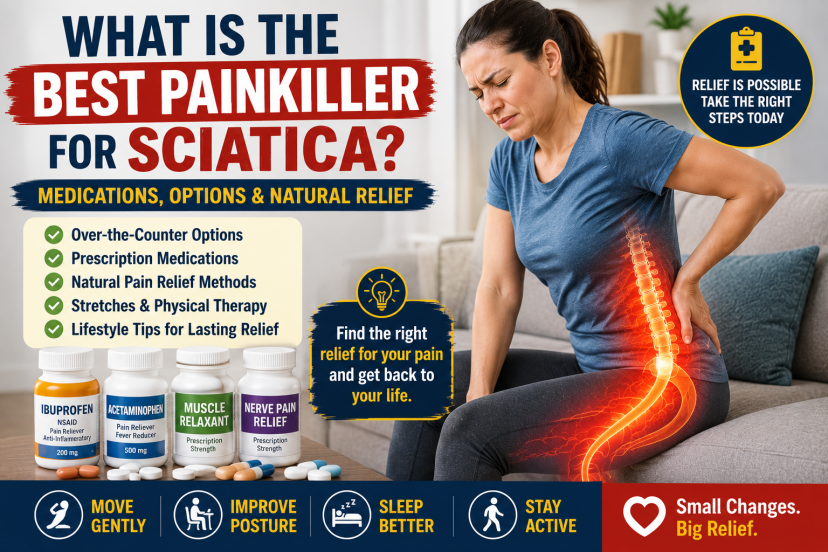
Sciatica pain can stop you in your tracks. Whether it’s a sharp, shooting pain down your leg, a burning sensation in your buttock, or constant tingling in your foot, it’s natural to want fast relief. Many people immediately ask, What is the best painkiller for sciatica?
The answer isn’t always simple. Sciatica is caused by irritation or compression of the sciatic nerve, so the most effective treatment often depends on what’s causing the problem. While painkillers may provide temporary relief for some people, they don’t treat the underlying cause. That’s why many healthcare providers recommend combining medication—when appropriate—with movement, physical therapy, posture improvements, and other conservative treatments.
This guide explains the different types of pain relievers that may be used for sciatica, their limitations, and the everyday habits that can help you feel better over the long term.
⭐ Quick Answer: What Is The Best Painkiller For Sciatica?
There is no single “best” painkiller for everyone with sciatica. Depending on the cause and severity of symptoms, a healthcare provider may recommend over-the-counter or prescription medications. However, pain relievers usually work best when combined with treatments such as physical therapy, gentle exercise, good posture, and healthy daily habits that address the underlying cause of sciatic nerve irritation.
Key Takeaways
- Most likely cause: People searching for the best painkiller for sciatica are usually experiencing sciatic nerve irritation or compression caused by conditions such as a herniated disc, spinal stenosis, or degenerative changes in the spine.
- Usually serious? Most cases improve with conservative treatment over time, but severe pain, progressive leg weakness, loss of bowel or bladder control, or numbness in the groin area requires immediate medical attention.
- First thing to check: Identify where the pain travels, how severe it is, whether you have numbness or weakness, and whether certain movements or positions make your symptoms better or worse.
- Best solution: Use pain medication only as recommended by a healthcare provider and combine it with gentle activity, physical therapy, stretching, good posture, and other treatments that address the underlying cause rather than relying on painkillers alone.
💊 Why Painkillers Alone Usually Aren’t Enough
Sciatica is a symptom—not a disease.
It commonly results from:
- Herniated discs
- Spinal stenosis
- Degenerative disc disease
- Bone spurs
- Piriformis syndrome
- Lower back injuries
Because these conditions irritate the sciatic nerve, simply reducing pain doesn’t remove the pressure on the nerve.
Understanding this is an important part of answering what is the best painkiller for sciatica. Medication may help manage discomfort, but lasting improvement often comes from treating the underlying problem.
🔍 Types Of Pain Relievers Used For Sciatica
Several categories of medication may be recommended depending on your symptoms and medical history.
Over-The-Counter Pain Relievers
Many people first try over-the-counter (OTC) medications.
These may help reduce mild to moderate discomfort for some individuals.
Examples include:
- Acetaminophen
- Nonsteroidal anti-inflammatory drugs (NSAIDs), such as ibuprofen or naproxen
NSAIDs may be more helpful when inflammation contributes to symptoms, but they are not appropriate for everyone. Always follow dosing instructions and consult your healthcare provider if you have kidney disease, stomach ulcers, heart disease, or other medical conditions.
Prescription Medications
When pain is more severe, a healthcare provider may recommend prescription medications.
Depending on the situation, these could include:
- Prescription-strength anti-inflammatory medications
- Muscle relaxants
- Certain medications used for nerve pain
- Short-term corticosteroids in selected cases
The best choice depends on your diagnosis, symptoms, overall health, and other medications you take.
Why Opioids Are Rarely A Long-Term Solution
Strong opioid pain medications are generally not recommended as a long-term treatment for most people with sciatica because they carry significant risks, including dependence, side effects, and limited benefit for chronic nerve pain.
Your healthcare provider can help determine whether any prescription medication is appropriate for your situation.
⚠️ When Painkillers May Not Help
Many people are surprised to learn that medications don’t always provide complete relief from sciatic nerve pain.
Painkillers may be less effective if:
- Significant nerve compression is present.
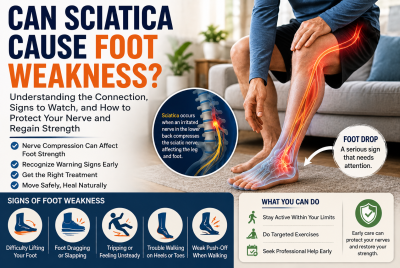
- Muscle weakness is developing.
- Symptoms have become chronic.
- Poor posture continues to irritate the nerve.
- Daily activities repeatedly trigger flare-ups.
If pain persists despite medication, it’s important to address the underlying cause rather than simply increasing the dose.
🧘 Natural Ways To Relieve Sciatica
If you’re wondering what is the best painkiller for sciatica, remember that non-drug strategies often play a major role in recovery.
Gentle Walking
Walking encourages blood flow, reduces stiffness, and helps keep spinal joints moving.
Short walks several times a day are often better than one long walk.
Heat Therapy
Applying a heating pad for 15–20 minutes may help relax tight muscles surrounding the sciatic nerve.
Avoid sleeping on a heating pad.
Ice Therapy
Ice packs may be useful during acute flare-ups, particularly if inflammation is contributing to pain.
Apply for about 15 minutes with a cloth between the ice and your skin.
Massage Therapy
Gentle massage may reduce muscle tension around the lower back, hips, and buttocks.
Some people also find foam rolling helpful when performed carefully.
💪 Physical Therapy Often Provides Longer-Lasting Relief
Physical therapy is one of the most effective conservative treatments for many people with sciatica.
A physical therapist may recommend:
- Core strengthening
- Hip stabilization exercises
- Posture correction
- Nerve gliding exercises
- Flexibility training
- Functional movement coaching
These exercises aim to reduce pressure on the sciatic nerve and improve how your body moves.
🧘 Stretches That May Help Sciatica
Stretching won’t cure sciatica, but it may reduce muscle tightness that contributes to symptoms.
Always move slowly and stop if pain worsens.
Knee-To-Chest Stretch
Helps relax the lower back.
Hold for 20–30 seconds.
Repeat several times.
Figure-4 Piriformis Stretch
Targets the piriformis muscle, which may irritate the sciatic nerve in some people.
Cat-Cow Stretch
Improves spinal mobility.
Perform 8–10 gentle repetitions.
Hamstring Stretch
Tight hamstrings can increase stress on the pelvis and lower spine.
Use a towel or stretching strap if needed.
🪑 Lifestyle Changes That Support Sciatica Recovery
Daily habits often influence how much pain you experience.
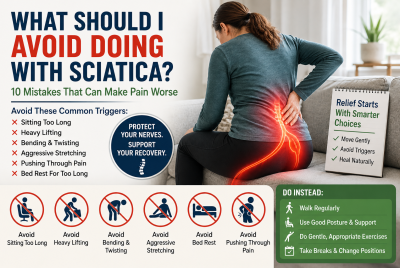
Avoid Sitting Too Long
Prolonged sitting increases pressure on spinal discs.
Try to:
- Stand every 30–45 minutes.
- Walk briefly.
- Stretch your hips.
Improve Your Posture
Helpful products include:
- Lumbar support cushions
- Ergonomic office chairs
- Standing desks
- Adjustable monitor stands
Good posture helps reduce unnecessary strain on your lower back.
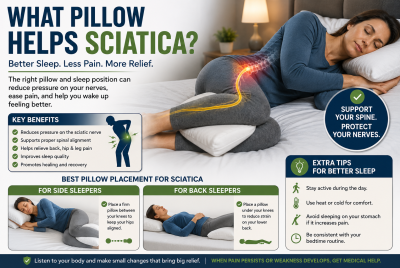
Sleep In A Supportive Position
Many people find relief by:
- Sleeping on their side with a pillow between their knees.
- Sleeping on their back with a pillow beneath their knees.
A supportive medium-firm mattress may also improve comfort.
🥗 Healthy Lifestyle Habits That May Reduce Flare-Ups
Long-term recovery often depends on overall health.
Helpful habits include:
Maintain A Healthy Weight
Reducing excess body weight can decrease stress on the lower spine.
Stay Physically Active
Regular movement helps prevent stiffness and muscle weakness.
Eat An Anti-Inflammatory Diet
Focus on foods such as:
- Salmon
- Olive oil
- Leafy greens
- Berries
- Beans
- Nuts
Stay Hydrated
Healthy spinal discs rely on adequate hydration to function normally.
💉 Other Medical Treatments
If conservative care isn’t enough, your healthcare provider may recommend:
- Epidural steroid injections
- Chiropractic care (when appropriate)
- Additional imaging studies
- Referral to a spine specialist
Surgery is usually reserved for people with severe nerve compression, progressive weakness, or persistent symptoms that don’t improve with conservative treatment.
🚨 When To See A Doctor Or Chiropractor
Even if medication helps temporarily, certain symptoms should never be ignored.
Schedule an appointment if:
- Pain lasts longer than 4–6 weeks.
- Symptoms continue getting worse.
- Walking becomes difficult.
- Leg weakness develops.
- Numbness becomes persistent.
- Home treatments no longer provide relief.
Seek emergency medical care immediately if you experience:
- Loss of bladder or bowel control
- Saddle numbness
- Sudden severe leg weakness
- Severe pain after trauma
- Fever with significant back pain
These symptoms may indicate a medical emergency requiring immediate treatment.
❓ FAQs: What Is The Best Painkiller For Sciatica?
1. What is the strongest painkiller for sciatica?
The strongest medication isn’t always the best option. Treatment depends on the cause of your sciatica, your symptoms, and your overall health. A healthcare provider can recommend the most appropriate medication if needed.
2. Do anti-inflammatory medications help sciatica?
They may help some people, especially if inflammation contributes to nerve irritation. However, they are not suitable for everyone and should be used as directed.
3. Why don’t painkillers completely stop sciatic pain?
Painkillers reduce discomfort but generally do not remove the pressure on the irritated sciatic nerve.
4. Can physical therapy work better than medication?
For many people, yes. Physical therapy helps address the underlying mechanical causes of sciatica and may provide longer-lasting improvement.
5. Is walking better than resting?
In most cases, gentle walking is more beneficial than prolonged bed rest because it improves circulation and reduces stiffness.
6. Can stretching replace medication?
Stretching alone won’t replace medication for everyone, but it can be an important part of a comprehensive treatment plan.
7. When should I seek medical care for sciatica?
Seek medical evaluation if symptoms persist for several weeks, worsen over time, or are accompanied by weakness, numbness, or bladder or bowel changes.
🎯 Conclusion: What Is The Best Painkiller For Sciatica?
If you’ve been asking what is the best painkiller for sciatica, the most helpful answer is that there’s rarely one solution that works for everyone. Pain medications may provide temporary relief, but lasting improvement usually comes from addressing the underlying cause of sciatic nerve irritation.
Combining appropriate medical care with healthy daily habits—such as staying active, improving posture, stretching regularly, maintaining a healthy weight, and following a personalized physical therapy program—often produces the best long-term results.
Recovery from sciatica takes patience and consistency. Small improvements made every day can add up to meaningful relief over time, helping you move more comfortably and return to the activities you enjoy.
Medical Disclaimer: This article is for educational purposes only and should not be considered medical advice. It does not recommend any specific medication or treatment. Always consult your physician, pharmacist, or another qualified healthcare professional before starting, stopping, or changing any medication or treatment for sciatica or other medical conditions. Never ignore professional medical advice because of something you have read online.
 Explore more:
- Can Sciatica Cause Groin Pain?
- Cost Of Sciatica Treatment In Germany
- Best Sciatica Clinics In Germany