Why Sciatica Gets Worse At Night In Germany (And What Actually Helps)
🇩🇪 Quick Answer
Sciatica often feels worse at night due to reduced movement, increased nerve sensitivity, and poor sleeping positions. In Germany, physiotherapy, proper sleep posture, and heat therapy are commonly used to reduce nighttime pain.
😣 Why Sciatica Feels Worse At Night
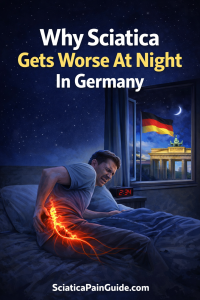
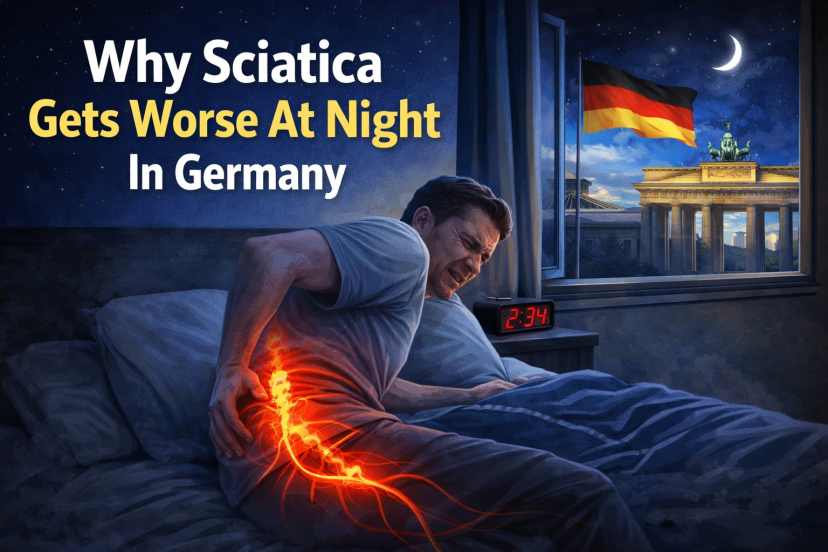
You lie down… finally ready to rest.
And suddenly — the pain gets worse.
A sharp ache in your lower back.
A burning sensation down your leg.
Tingling that makes it hard to sleep.
If you’re in Germany, this is a very common complaint — especially among people with desk jobs, long commutes, or limited daily movement.
The frustrating part?
During the day, you might feel manageable.
But at night, the pain becomes harder to ignore.
Let’s break down why this happens — and what actually helps.
🧠 The Real Reason Sciatica Gets Worse At Night
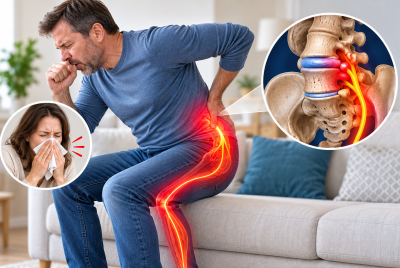
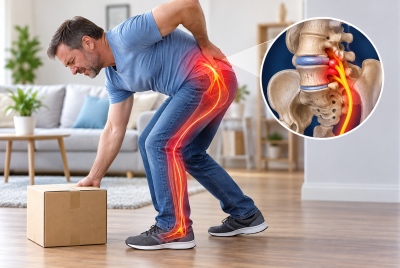
Sciatica pain is linked to the sciatic nerve, which becomes irritated or compressed.
At night, several things change in your body:
🌙 1. Less Movement = More Nerve Pressure
During the day, you naturally:
- Walk
- Shift positions
- Stretch without thinking
At night:
- You stay in one position longer
- Pressure builds on the nerve
👉 In Germany, physiotherapists often emphasize movement as medicine — especially for sciatica.
🛏️ 2. Poor Sleeping Positions
Certain positions can worsen nerve compression:
- Sleeping flat on your stomach
- Twisting your spine
- Lack of proper support
👉 Many Germans are advised to adjust their sleep posture as part of treatment
🔥 3. Increased Inflammation At Night
Your body’s inflammatory response can feel stronger when:
- You’re resting
- There are fewer distractions
- Blood flow changes
👉 This can make pain feel more intense — even if the condition hasn’t worsened
🧩 4. Your Brain Focuses More On Pain
At night:
- No distractions
- Quiet environment
- More awareness of discomfort
👉 Pain feels louder — similar to tinnitus at night
🇩🇪 5. Daily Lifestyle Patterns In Germany
Common triggers seen in Germany:
- Long hours sitting (office culture)
- Commuting by car or train
- Limited movement during the day
👉 This creates stiffness that shows up at night
📊 Real-Life Scenario
Anna, 42, Munich — Office Worker
- Works 8+ hours sitting
- Feels mild discomfort during the day
- At night → sharp leg pain and tingling
What helped:
- Physiotherapy (2x per week)
- Changed sleeping position
- Added daily walks
👉 Night pain reduced within 3–4 weeks
🛌 Best Sleeping Positions For Sciatica (Germany Recommendations)
✅ 1. Side Sleeping With Pillow Support
- Place a pillow between your knees
- Keep spine aligned
👉 Reduces pressure on the sciatic nerve
✅ 2. Back Sleeping With Leg Elevation
- Place a pillow under your knees
- A slight bend reduces nerve tension
🚫 Avoid These Positions
- Sleeping on your stomach
- Twisted spine positions
- Very soft mattresses with no support
🔥 What Actually Helps At Night
Germany focuses on simple, conservative methods:
♨️ Heat Therapy
- Heating pads
- Warm baths
- Heat patches
👉 Helps relax muscles and reduce nerve irritation
🏃 Light Evening Movement
- Short walk after dinner
- Gentle stretching
👉 Prevents stiffness before sleep
🧘 Physiotherapy Exercises
Often prescribed in Germany:
- Nerve glides
- Lower back mobility exercises
- Core stabilization
🪑 Posture Fix During The Day
Night pain often starts during the day.
👉 Germans are often advised to:
- Use ergonomic chairs
- Take movement breaks
- Avoid long sitting sessions
⏳ Nighttime Sciatica Recovery Timeline
| Timeframe | What To Expect |
|---|---|
| Week 1–2 | Night pain may feel intense |
| Week 3–4 | Sleep improves slightly |
| Week 6+ | Significant relief with proper care |
✅ Quick Self-Check
Your nighttime sciatica may be worse if:
- Pain increases when lying down
- You wake up due to leg pain
- Sitting all day makes it worse
- Movement helps reduce pain
👉 This is a typical sciatica pattern
⚖️ Expectation vs Reality
Expectation:
“Something is seriously wrong because pain is worse at night.”
Reality:
Night pain is very common with sciatica, especially in Germany’s sedentary lifestyle.
🧩 Daily Routine To Reduce Night Pain
- Morning: Gentle stretching (5–10 min)
- Midday: Walk or movement break
- Evening: Light activity (no long sitting)
- Before bed: Heat therapy + proper positioning
🚫 What Makes Night Pain Worse
- Staying inactive all day
- Poor mattress or pillow support
- Sleeping in twisted positions
- Ignoring posture during the day
❗ When To See A Doctor In Germany
Seek medical help if:
- Pain is severe and constant
- Leg weakness appears
- Numbness worsens
- No improvement after a few weeks
👉 Start with your Hausarzt (GP)
❓ FAQs: Why Sciatica Gets Worse At Night In Germany
1. Why is sciatica worse at night in Germany?
Due to inactivity, sitting habits, and sleep position, which increase nerve pressure.
2. How can I sleep with sciatica pain?
Use side sleeping with a pillow between the knees, or back sleeping with a leg support.
3. Does walking help sciatica at night?
Yes, light movement during the day reduces nighttime stiffness and pain.
4. Should I use heat or cold at night?
In Germany, heat therapy is more commonly recommended for nighttime relief.
5. When should I see a doctor in Germany?
If pain is severe, worsening, or includes weakness or numbness.
🧠 Final Thoughts
Sciatica pain at night can feel frustrating — even overwhelming.
But in most cases, it’s not a sign of something dangerous.
👉 It’s your body reacting to:
- Pressure
- Inactivity
- Positioning
And the good news?
Small changes — like movement, posture, and sleep setup — can make a big difference.
⚠️ Disclaimer
This article is for informational purposes only and does not replace professional medical advice. Always consult a qualified healthcare provider in Germany.
 Explore more: