What Happens If Sciatica Is Left Untreated? 10 Risks You Should Know

Sciatica can range from a mild annoyance to severe, life-disrupting pain. For some people, the symptoms improve within a few weeks. Others hope the pain will simply disappear on its own and delay seeking treatment. If you’ve been wondering what happens if sciatica is left untreated, you’re asking an important question.
In many cases, sciatica does improve with conservative care and time. However, ignoring persistent symptoms isn’t always the best approach. Depending on the underlying cause, untreated sciatica may lead to ongoing pain, reduced mobility, muscle weakness, and, in rare cases, permanent nerve damage.
The encouraging news is that most people can successfully manage sciatica with early treatment, healthy daily habits, and guidance from a healthcare professional when needed.
This article explains what happens if sciatica is left untreated, the warning signs you shouldn’t ignore, and practical ways to protect your back and sciatic nerve.
⭐ Quick Answer: What Happens If Sciatica Is Left Untreated?
Some cases of sciatica improve naturally within several weeks. However, if the underlying cause continues to compress or irritate the sciatic nerve, untreated sciatica may lead to chronic pain, worsening numbness, muscle weakness, reduced mobility, and, in rare situations, permanent nerve damage. Severe symptoms should always be evaluated by a healthcare provider.
Key Takeaways
Most likely cause: Sciatica usually develops when a nerve root in the lower back is irritated or compressed, commonly due to a herniated disc, spinal changes, or inflammation around the nerve.
Usually serious? Usually not, and many cases improve with time and conservative care. However, understanding what happens if sciatica is left untreated is important because persistent nerve compression can sometimes contribute to worsening pain, numbness, weakness, or reduced mobility.
First thing to check: Pay attention to whether symptoms are improving, staying the same, or getting worse. Increasing leg weakness, spreading numbness, or changes in bladder or bowel control require prompt medical attention.
Best solution: Stay gently active as tolerated, avoid prolonged positions that aggravate symptoms, and use appropriate exercises or physical therapy to support recovery. Seek professional evaluation if pain persists, worsens, or is accompanied by neurological symptoms.
⚠️ What Happens If Sciatica Is Left Untreated?
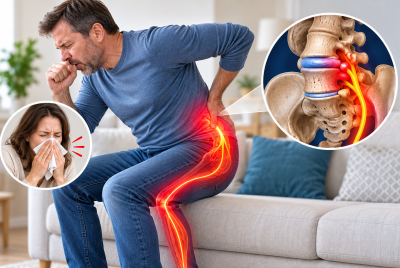
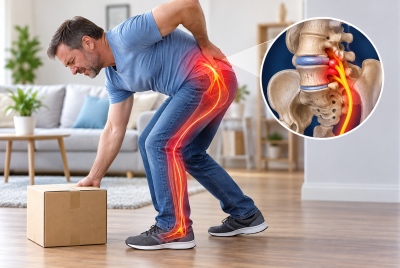
Sciatica itself isn’t a disease—it’s a symptom caused by irritation or compression of the sciatic nerve.
Common causes include:
- Herniated discs
- Spinal stenosis
- Degenerative disc disease
- Bone spurs
- Piriformis syndrome
- Spinal injuries
Whether untreated sciatica becomes more serious depends largely on what’s causing the nerve irritation.
Many mild cases improve with conservative treatment, but persistent nerve compression can increase the risk of complications.
🔍 Common Problems That May Develop
Ignoring symptoms for weeks or months may allow inflammation or nerve compression to continue.
Possible consequences include:
Chronic Pain
One of the most common outcomes is ongoing pain.
Instead of improving, symptoms may become more frequent or severe.
Pain may affect:
- Lower back
- Buttock
- Thigh
- Calf
- Foot
Chronic pain can interfere with sleep, work, and daily activities.
Muscle Weakness
Compressed nerves don’t just carry pain signals.
They also control muscle function.
Untreated nerve compression may eventually cause weakness in:
- The calf
- Foot
- Toes
- Leg muscles
Some people notice difficulty climbing stairs or standing on their toes.
Persistent Numbness
Numbness may begin as occasional tingling.
If nerve irritation continues, sensation may become less reliable in affected areas.
This may increase the risk of trips and falls.
🚶 Reduced Mobility And Daily Function
One reason what happens if sciatica is left untreated matters is the effect on everyday life.
Persistent pain often causes people to avoid movement.
Over time, this may lead to:
- Reduced flexibility
- Muscle stiffness
- Poor balance
- Lower endurance
- Decreased strength
Unfortunately, avoiding activity completely often makes recovery more difficult.
💪 Muscle Loss Can Occur
When nerves cannot properly communicate with muscles, those muscles may gradually weaken.
This process, known as muscle atrophy, is more likely when significant nerve compression goes untreated.
Although uncommon in mild cases, it highlights the importance of early evaluation if weakness develops.
🌙 Poor Sleep May Become A Long-Term Problem
Sciatica frequently disrupts sleep.
Pain may worsen:
- At night
- While lying down
- When changing positions
- After remaining still for long periods
Poor sleep can increase pain sensitivity, reduce healing, and contribute to fatigue.
Creating healthy sleep habits becomes an important part of recovery.
🧠 Chronic Pain Can Affect Mental Health
Living with constant pain affects more than your back.
Long-term sciatica may contribute to:
- Stress
- Anxiety
- Frustration
- Irritability
- Depression
- Reduced quality of life
Addressing pain early often helps protect both physical and emotional health.
🚨 Rare But Serious Complications
Most cases of sciatica do not result in permanent disability.
However, severe nerve compression occasionally leads to more serious problems.
These include:
Permanent Nerve Damage
If severe nerve compression continues for too long, permanent changes in strength or sensation may occur.
Early diagnosis greatly reduces this risk.
Cauda Equina Syndrome
Although rare, cauda equina syndrome is a medical emergency.
Seek immediate medical care if you develop:
- Loss of bladder control
- Loss of bowel control
- Numbness around the groin or saddle area
- Sudden severe leg weakness
Prompt treatment is essential.
🌿 Natural Ways To Help Prevent Sciatica From Getting Worse
Fortunately, many people improve with conservative care.
Helpful strategies include:
Stay Active
Complete bed rest is rarely recommended.
Gentle movement promotes circulation and prevents stiffness.
Try:
- Walking
- Swimming
- Gentle cycling
Improve Your Posture
Poor posture increases spinal stress.
Helpful products include:
- Lumbar cushions
- Ergonomic office chairs
- Standing desks
- Footrests
Lift Properly
Always:
- Bend your knees.
- Keep objects close.
- Avoid twisting while lifting.
These habits reduce stress on your lower back.
🧘 Gentle Stretches That May Help
Stretching can reduce muscle tension surrounding the sciatic nerve.
Move slowly and stop if symptoms worsen.
Knee-To-Chest Stretch
Relaxes the lower back.
Hold for 20–30 seconds.
Figure-4 Stretch
Targets the piriformis muscle.
Stretch gently without bouncing.
Cat-Cow Stretch
Improves spinal flexibility.
Repeat 8–10 slow repetitions.
Hamstring Stretch
Flexible hamstrings reduce stress on the pelvis and lower spine.
💊 Treatment Options Beyond Home Care
If symptoms continue, professional treatment may help prevent long-term problems.
Treatment options include:
- Physical therapy
- Chiropractic care (when appropriate)
- Anti-inflammatory medications
- Muscle relaxants
- Epidural steroid injections
- Individualized exercise programs
Surgery is generally reserved for people with severe nerve compression, progressive weakness, or symptoms that fail to improve after conservative treatment.
🩺 Physical Therapy Can Prevent Long-Term Problems
One of the best answers to what happens if sciatica is left untreated is that early rehabilitation often prevents complications.
Physical therapy commonly includes:
- Core strengthening
- Hip stabilization
- Walking programs
- Nerve gliding exercises
- Flexibility training
- Posture correction
Improving movement patterns reduces ongoing stress on the sciatic nerve.
🥗 Healthy Lifestyle Habits Support Recovery
Daily habits matter more than many people realize.
Helpful strategies include:
Maintain A Healthy Weight
Extra weight increases stress on the lower spine.
Even modest weight loss may reduce symptoms.
Eat An Anti-Inflammatory Diet
Focus on:
- Salmon
- Olive oil
- Nuts
- Berries
- Leafy greens
- Beans
These foods support overall health and may help manage inflammation.
Stay Hydrated
Healthy spinal discs rely on adequate hydration.
Drink water consistently throughout the day.
🚨 When To See A Doctor Or Chiropractor
While mild sciatica often improves, don’t ignore persistent symptoms.
Schedule a medical evaluation if:
- Pain lasts longer than 4–6 weeks.
- Symptoms become progressively worse.
- Walking becomes difficult.
- Leg weakness develops.
- Numbness becomes persistent.
- Home treatment provides little improvement.
Seek emergency medical care immediately if you experience:
- Loss of bladder or bowel control
- Saddle numbness
- Sudden severe leg weakness
- Severe pain following trauma
- Fever with significant back pain
These symptoms require urgent medical attention.
❓ FAQs: What Happens If Sciatica Is Left Untreated?
1. Can untreated sciatica heal on its own?
Yes. Many mild cases improve within several weeks with conservative care. However, persistent or worsening symptoms should be evaluated.
2. Can untreated sciatica cause permanent nerve damage?
In rare cases, prolonged severe nerve compression may lead to permanent weakness or numbness.
3. How long is too long to ignore sciatica?
If symptoms last longer than 4–6 weeks or worsen, it’s a good idea to see a healthcare provider.
4. What are the warning signs that sciatica is becoming serious?
Progressive weakness, increasing numbness, difficulty walking, bladder or bowel problems, and saddle numbness require prompt medical evaluation.
5. Can walking help prevent sciatica from worsening?
Gentle walking often improves circulation, reduces stiffness, and supports recovery.
6. Is complete bed rest recommended?
No. Prolonged bed rest usually delays recovery. Gentle movement is generally encouraged unless advised otherwise by a healthcare provider.
7. Can physical therapy prevent chronic sciatica?
Yes. Physical therapy can improve strength, flexibility, posture, and movement patterns, helping reduce the risk of ongoing symptoms.
📌 Final Thoughts On What Happens If Sciatica Is Left Untreated?
Understanding what happens if sciatica is left untreated can help you make informed decisions about your health. While many mild cases improve naturally, persistent nerve compression shouldn’t be ignored. Left untreated, sciatica may lead to chronic pain, muscle weakness, reduced mobility, and, in rare cases, permanent nerve damage.
The good news is that most people recover well with early attention, consistent self-care, and appropriate treatment. Staying active, improving posture, stretching regularly, maintaining a healthy weight, and seeking medical guidance when needed can all support healing and help prevent future flare-ups.
Recovery takes patience, but every positive step you take today can help protect your spine and improve your quality of life tomorrow.
Medical Disclaimer: This article is for educational purposes only and should not be considered medical advice. Always consult your physician or another qualified healthcare professional for diagnosis and treatment of sciatica, back pain, or any new or worsening symptoms. Never ignore professional medical advice or delay seeking care because of information you have read online.
 Explore more:
- Why Is My Sciatica Worse After Sitting All Day?
- Sciatica Pain After Exercise: Why It Happens?
- Why Your Mattress May Be Triggering Sciatica