Sciatica Pain After Exercise: Why It Happens And How To Prevent Flare-Ups

💪 When Exercise Makes Sciatica Feel Worse
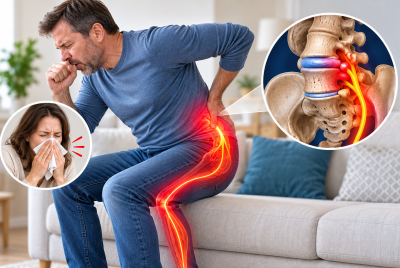
You finish a workout feeling proud — then hours later, it hits. A sharp shooting pain down your leg. Tingling in your foot. Numbness when you sit. Weakness when you walk. If you’re dealing with sciatica pain after exercise, you’re not alone. Many people try to stay active for back health, only to experience flare-ups afterward. This can feel confusing and discouraging.
The good news? Exercise itself is rarely the enemy. Most of the time, it’s about how your body responds to movement, loading, posture, and recovery.
Understanding why sciatica pain after exercise happens is the first step to staying active without triggering nerve irritation.
🔍 Quick Answer: Sciatica Pain After Exercise
Sciatica pain after exercise usually happens when movements irritate the sciatic nerve through muscle tightness, disc pressure, inflammation, or poor movement mechanics.
Common triggers include:
• Overstretching irritated nerves
• Weak core or hip stabilizers
• Sudden increases in workout intensity
• Poor form during lifting or cardio
• Not allowing enough recovery time
The right exercise approach can often reduce future sciatica pain after exercise, not worsen it.
Key Takeaways
Most likely cause: Sciatic nerve irritation from overloading, poor exercise form, tight muscles, excessive stretching, or increasing workout intensity too quickly.
Usually serious? Usually not. Mild sciatica pain after exercise often improves with activity modification and recovery, but worsening weakness, significant numbness, or bowel or bladder changes require prompt medical attention.
First thing to check: Look at which exercises trigger your symptoms and whether your technique, resistance, range of motion, or workout intensity recently changed.
Best solution: Temporarily reduce or modify aggravating movements, stay gently active as tolerated, and gradually rebuild core and hip strength. Persistent or worsening symptoms should be evaluated by a qualified healthcare professional or physical therapist.
🧠 What Causes Sciatica Pain After Exercise?
⚠️ Disc Pressure And Nerve Irritation
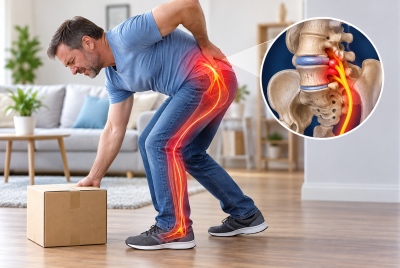
Many U.S. adults have some level of disc bulging or degeneration by age 40+. Exercise can temporarily increase spinal pressure, especially if form is poor.
This can trigger sciatica pain after exercise when:
• Heavy lifting compresses spinal discs
• Forward bending stresses lower back discs
• Twisting movements irritate nerve roots
💪 Muscle Tightness Pulling On The Sciatic Nerve
Tight muscles can compress or irritate nerve pathways.
Common culprits:
• Piriformis muscle
• Hamstrings
• Hip flexors
• Lower back muscles
When these muscles tighten during workouts, sciatica pain after exercise can show up hours later.
🔥 Exercise-Induced Inflammation
Exercise creates micro-inflammation (normal and healthy). But if nerves are already irritated, inflammation can worsen symptoms.
This explains delayed sciatica pain after exercise the next day.
🧍 Poor Movement Mechanics
Improper posture during workouts can overload the spine and hips.
Examples:
• Rounding back during deadlifts
• Slouching during cycling
• Overstriding while running
These patterns often lead to recurring sciatica pain after exercise.
🚨 Symptoms Of Sciatica Pain After Exercise
Watch for these signs:
• Shooting leg pain
• Burning or electric sensation
• Foot numbness or tingling
• Hip or buttock pain
• Leg weakness
• Pain is worse when sitting
If symptoms worsen after activity, it may indicate exercise-triggered nerve irritation.
🧩 Real-Life Scenario: Exercise Triggering Sciatica
Example:
A 42-year-old office worker starts a new HIIT program to improve fitness. After week two, they notice sciatica pain after exercise, especially after squat jumps and sprints.
Root causes often include:
• Weak glutes not supporting the pelvis
• Tight hip flexors from sitting
• Sudden training intensity increase
• Limited recovery between workouts
Adjusting exercise selection often reduces flare-ups within weeks.
✅ Self Assessment Checklist: Is Exercise Triggering Your Sciatica?
Ask yourself:
- Does Pain Start Within 24 Hours Of Exercise?
- Does Sitting After Exercise Feel Worse?
- Does Leg Tingling Increase After Leg Workouts?
- Does Stretching Sometimes Make Symptoms Worse?
- Did Symptoms Start After Increasing Workout Intensity?
If yes to multiple, you may be experiencing sciatica pain after exercise.
🏃 Exercises That Commonly Trigger Sciatica Pain After Exercise
Higher-risk movements include:
• Heavy barbell squats
• Deadlifts with poor form
• High-impact jumping
• Sprint intervals
• Deep toe-touch stretches
• Aggressive hamstring stretching
This doesn’t mean you must avoid them forever — only that technique and progression matter.
💡 Best Stretches To Reduce Sciatica Pain After Exercise
🧘 Piriformis Stretch
Benefits:
• Reduces nerve compression
• Improves hip mobility
🦵 Gentle Hamstring Nerve Glide
Benefits:
• Improves nerve movement
• Reduces nerve sensitivity
🛏️ Knees-To-Chest Stretch
Benefits:
• Decompresses lower spine
• Reduces post-workout pressure
💪 Strength Exercises That Help Prevent Sciatica Pain After Exercise
Focus on stabilization:
• Glute bridges
• Bird dogs
• Side-lying leg lifts
• Core bracing exercises
• Resistance band walks
These reduce future sciatica pain after exercise by improving load distribution.
🏥 Treatment Options For Sciatica Pain After Exercise
🏠 Home Remedies
Try:
• Ice packs (first 24 hours)
• Heat therapy (after inflammation phase)
• Anti-inflammatory diet
• Gentle walking
💊 Medical Options (U.S. Standard Care)
Doctors may recommend:
• Physical therapy
• NSAIDs (like ibuprofen, if safe)
• Muscle relaxants
• Epidural steroid injections (for severe cases)
Always consult a licensed provider before medication use.
🧃 Lifestyle Changes To Reduce Sciatica Pain After Exercise
Long-term strategies:
• Maintain healthy body weight
• Improve sitting posture
• Use ergonomic office chairs
• Avoid long sitting periods
• Prioritize sleep recovery
Many people notice less sciatica pain after exercise when recovery improves.
🇺🇸 U.S.-Relevant Tips And Context
In the U.S., back pain is one of the top causes of missed workdays. Many people balance desk jobs with weekend workouts, increasing the risk of sciatica pain after exercise due to sudden activity spikes.
Helpful recovery tools commonly used in the U.S.:
• Foam rollers
• TENS units
• Lumbar support cushions
• Standing desks
⚖️ Expectation Vs Reality: Sciatica And Exercise
Expectation:
Exercise Should Immediately Fix Sciatica
Reality:
Improvement Usually Takes Weeks Of Consistent, Smart Movement
Expectation:
More Stretching Always Helps
Reality:
Overstretching Can Irritate Sensitive Nerves
Expectation:
Pain Means Stop All Exercise
Reality:
Correct Exercise Often Helps Recovery
🛑 When To See A Doctor
Seek medical care if you notice:
• Loss Of Bladder Or Bowel Control
• Progressive Leg Weakness
• Severe Constant Pain
• Numbness In Groin Area
These may indicate serious nerve compression.
❓ FAQs About Sciatica Pain After Exercise
1. Can Exercise Cause Sciatic Pain Permanently?
Exercise rarely causes permanent sciatica damage. Most cases of sciatica pain after exercise result from temporary inflammation, muscle tightness, or nerve irritation. With proper technique, strengthening, and recovery, symptoms often improve significantly over time with consistent care and guided rehabilitation.
2. Should I Stop Working Out If I Have Sciatic Pain After Exercise?
Not usually. Most doctors recommend modified activity instead of complete rest. Avoid painful movements but continue gentle exercise. Staying active improves circulation, reduces stiffness, and often reduces the risk of sciatic pain after exercise when done safely and progressively.
3. How Long Does Sciatic Pain Last After Exercise?
Mild flare-ups may last 24–72 hours. More significant nerve irritation can last weeks. Recovery depends on the level of inflammation, disc involvement, and muscle tension. Early treatment and smart movement choices can significantly reduce recovery time from sciatic pain after exercise.
4. Is Walking Good For Sciatic Pain After Exercise?
Yes. Walking promotes circulation, reduces stiffness, and helps maintain spinal mobility. Many physical therapists recommend light walking during recovery periods. Walking is often one of the safest activities when experiencing mild sciatic pain after exercise.
5. Can Stretching Make Sciatic Pain After Exercise Worse?
Yes, aggressive stretching can irritate sensitive nerves. Gentle nerve glides and controlled stretches are usually safer. If stretching increases shooting leg pain or numbness, reduce intensity and consult a physical therapist experienced in sciatic pain after exercise rehabilitation.
🎯 Conclusion: You Can Stay Active Without Triggering Sciatica
Experiencing sciatica pain after exercise doesn’t mean you have to stop moving. In many cases, the right exercise approach actually reduces nerve irritation long-term.
Focus on:
• Proper form
• Gradual intensity increases
• Recovery and mobility work
• Core and glute strength
• Listening to early warning signs
With patience and smart adjustments, many people return to full activity with fewer flare-ups.
⚠️ Disclaimer
This article is for educational purposes only and is not medical advice. Always consult a qualified healthcare professional before starting new exercise programs, treatments, or medications, especially if you have severe or worsening symptoms.
 Explore more:
- Why Is My Sciatica Worse After Sitting All Day?
- What Is The Best Painkiller For Sciatica?
- Why Your Mattress May Be Triggering Sciatica