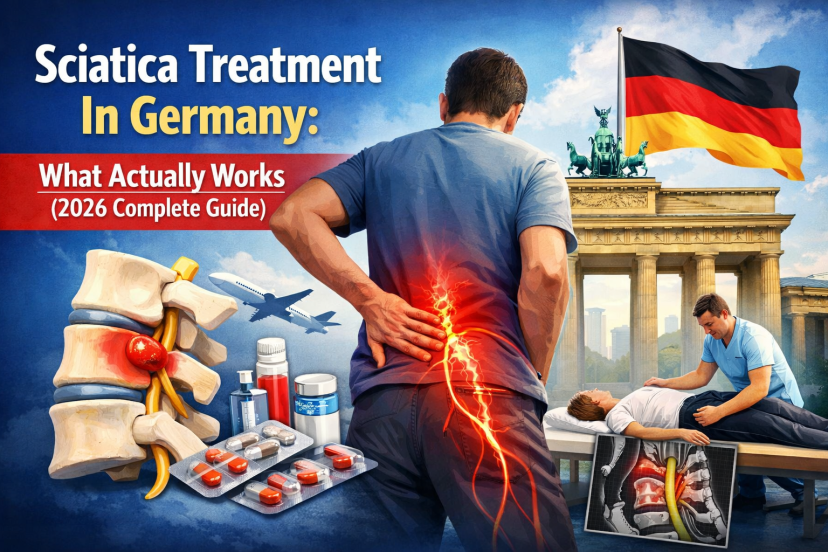
Sciatica Treatment In Germany: What Actually Works (2026 Complete Guide)
😣 If You’re Dealing With Sciatica In Germany…
It often starts as a sharp pain in your lower back… then spreads down your leg.
Sitting becomes uncomfortable. Walking feels tight or unstable. Sleep gets disrupted.
If you live in Germany, you might also be wondering:
- How do I get treatment here?
- Do I need a specialist?
- Will insurance cover it?
- What actually works — without surgery?
This guide breaks it down in a simple, realistic way — based on how sciatica is actually treated in Germany.
🇩🇪 Quick Answer
Sciatica treatment in Germany typically includes physiotherapy, pain management, and lifestyle changes. Most cases improve within 6–12 weeks, and many treatments are partially or fully covered by public health insurance (GKV).
🧠 What Sciatica Really Is (Simple Explanation)
Sciatica isn’t a condition — it’s a symptom.
It happens when the sciatic nerve (the longest nerve in your body) gets irritated or compressed.
Common causes in Germany include:
- Herniated disc (Bandscheibenvorfall)
- Long hours sitting (office jobs are a major trigger)
- Poor posture
- Muscle imbalances
- Age-related spine changes
🇩🇪 How Sciatica Is Treated In Germany (Step-by-Step)
Germany follows a conservative-first approach, meaning surgery is usually the last option.
🩺 Step 1: Visit Your Hausarzt (General Doctor)
This is your starting point.
They will:
- Assess your symptoms
- Rule out serious issues
- Prescribe initial treatment
- Refer you if needed
🏃 Step 2: Physiotherapy (Physiotherapie)
This is the most common and effective treatment in Germany.
You’ll typically get:
- 6 sessions (can be extended)
- Targeted exercises
- Posture correction
- Mobility work
👉 Many Germans rely on physiotherapy as their main recovery tool
💊 Step 3: Pain Management
Doctors may recommend:
- Anti-inflammatory medications
- Muscle relaxants (short-term)
- Heat therapy
👉 In Germany, doctors usually avoid long-term medication use
🧘 Step 4: Movement & Lifestyle Changes
This is where long-term relief happens.
What Germans often do:
- Daily walking routines
- Ergonomic office setups
- Back-friendly sports (swimming, yoga)
- Standing desks
🏥 Step 5: Specialist Referral (If Needed)
If pain persists:
You may be referred to:
- Orthopedist (Orthopäde)
- Neurologist
- Spine specialist
⚠️ Step 6: Surgery (Rare Cases Only)
Surgery is considered only if:
- Severe nerve damage
- Loss of function (like foot drop)
- Pain doesn’t improve after months
👉 Most cases in Germany do NOT require surgery
💸 Cost Of Sciatica Treatment In Germany
Public Insurance (GKV)
- Doctor visits: Covered
- Physiotherapy: Mostly covered (small co-pay)
- Imaging (MRI): Covered if needed
Private Insurance (PKV)
- Faster access
- More flexibility
- Higher coverage depending on plan
📊 Real-Life Scenario
Mark, 47, Berlin — Office Worker
- Developed sciatica after long desk hours
- Visited Hausarzt → referred to physiotherapy
- Did 2 sessions/week for 4 weeks
- Added daily walking + posture fixes
👉 Pain reduced by ~70% within 6 weeks
👉 No surgery needed
✅ Self-Assessment Checklist
Do you have sciatica?
- Pain radiates down one leg
- Tingling or numbness
- Pain worse when sitting
- Relief when walking or standing
- Lower back stiffness
👉 If you checked 3+ → likely sciatica pattern
⏳ Recovery Timeline
| Stage | What Happens |
|---|---|
| Week 1–2 | Pain peaks, diagnosis |
| Week 3–6 | Physiotherapy starts working |
| Week 6–12 | Major improvement |
| 3+ months | Full or near recovery |
⚖️ Expectation vs Reality
Expectation:
“I need surgery or strong medication.”
Reality in Germany:
Most people recover with:
- Movement
- Physiotherapy
- Time
🧩 What Actually Works Best
Top 5 most effective methods:
- Physiotherapy exercises
- Staying active (not bed rest)
- Posture correction
- Heat therapy
- Gradual strength building
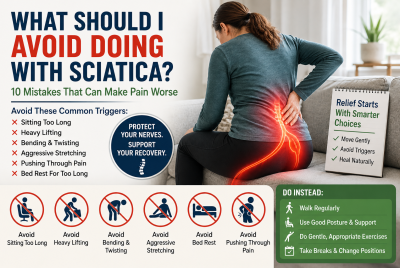
🚫 What To Avoid (Very Important)
- Staying in bed too long
- Ignoring posture
- Lifting heavy objects incorrectly
- Relying only on medication
🏙️ Where To Get Sciatica Help In Germany
Common options:
- Local physiotherapy clinics
- Orthopedic centers
- Hospitals with spine units
Major cities:
- Berlin
- Munich
- Hamburg
- Frankfurt
👉 Access is generally good across Germany
🔄 Daily Routine For Sciatica Relief
Simple routine many Germans follow:
- Morning: Light stretching (5–10 min)
- Midday: Short walk (10–20 min)
- Work: Ergonomic sitting + breaks
- Evening: Heat therapy + mobility
❗ When To See A Doctor Immediately
- Severe leg weakness
- Loss of bladder/bowel control
- Sudden numbness in both legs
👉 These are rare but urgent signs
❓ FAQs: Sciatica treatment in Germany
1. Is sciatica treatment free in Germany?
Most treatments are covered by public insurance, with small co-payments.
2. Do I need a referral for physiotherapy in Germany?
Yes, usually from your Hausarzt.
3. How long does sciatica last?
Typically 6–12 weeks, depending on severity.
4. Is an MRI required for sciatica in Germany?
Only if symptoms are severe or not improving.
5. Can I work with sciatica in Germany?
Yes, but adjustments (like posture and breaks) are important.
🧠 Final Thoughts
Sciatica can feel overwhelming — especially when it disrupts your daily life.
But in Germany, the system is built around:
- Conservative treatment
- Structured recovery
- Long-term prevention
👉 And the good news:
Most people recover without surgery
⚠️ Disclaimer
This article is for informational purposes only and does not replace professional medical advice. Always consult a qualified healthcare provider in Germany for diagnosis and treatment.
 Explore more:
- Best Treatment For Sciatic Nerve Pain
- Why Sciatica Gets Worse At Night
- What Helps With Sciatica Pain?